property
Eastern Bangkok Corridor Attracts Smart Investors With Rising Property Yields
As the Bang Na-Trat corridor transforms into a secondary business hub, property prices and rental yields are attracting savvy developers and buyers seeking alternatives to saturated central districts.
How we reported this
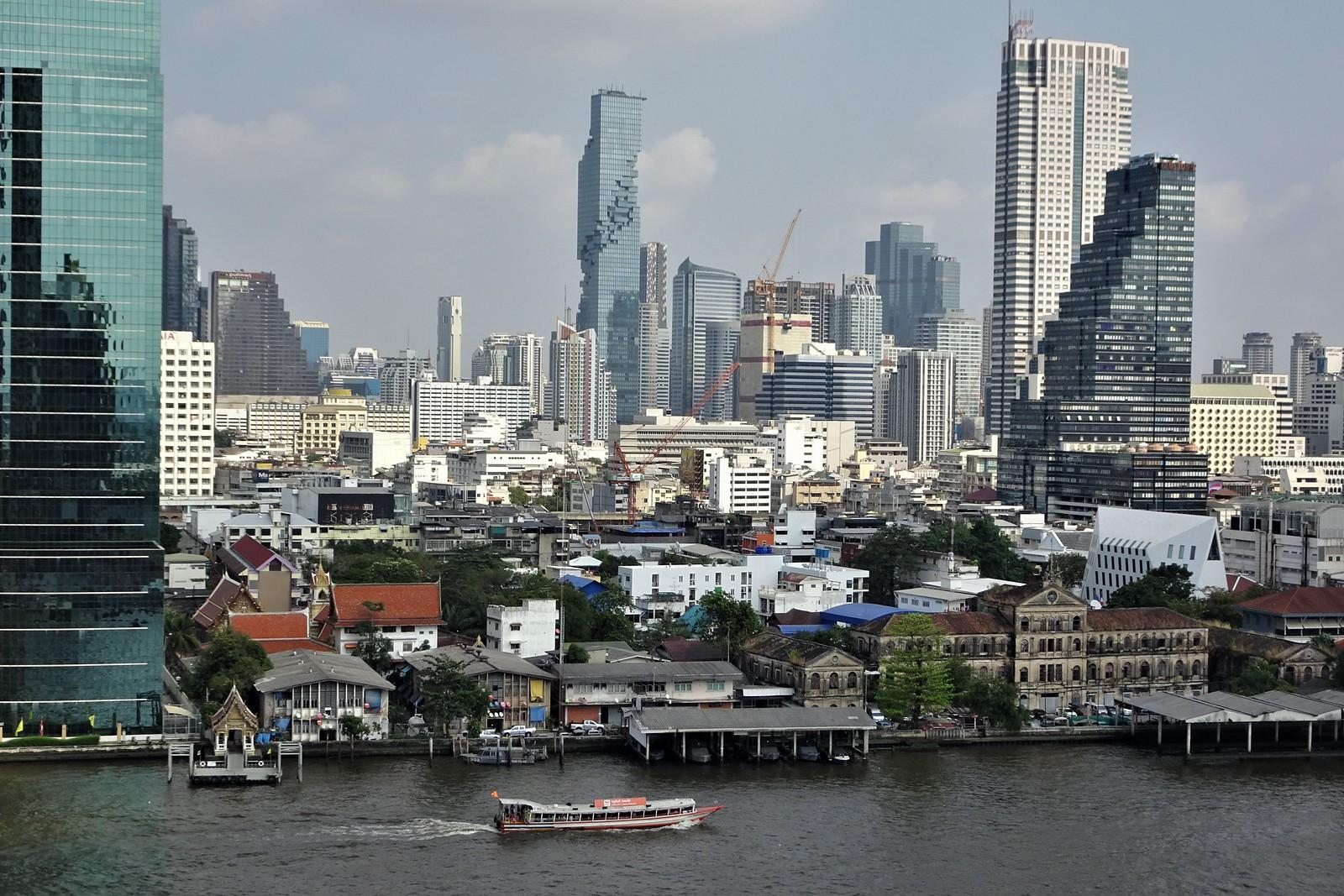
Bangkok's property landscape is experiencing a significant shift, with developers and investors increasingly turning their attention to the eastern suburbs as the city's master plan prioritises rail-linked mega-projects and strategic land development.
The Bang Na-Trat corridor is emerging as Bangkok's new eastern central business district, offering a compelling alternative to traditional investment zones. Properties in the corridor, particularly around the extension of Bangkok's BTS Skytrain and MRT systems, are attracting premium valuations. Recent market data shows residential units in Bang Na district selling between 150,000 and 280,000 baht per square metre, depending on proximity to transport hubs-representing a 12-15% appreciation over the past two years compared to 6-8% growth in central Silom and Sukhumvit districts.
The strategic shift reflects Bangkok's broader urban renewal initiative, which aims to unlock development potential along key transport corridors. The Bang Na-Trat route, stretching from the industrial eastern suburbs toward the city centre, is positioning itself as a logistics and commercial nexus. Unlike the congested CBD, this corridor offers breathing room for mixed-use developments combining residential, retail, and office spaces.
Commercial property in the zone is particularly attractive. Office space rental rates in Bang Na currently hover around 250-350 baht per square metre monthly-roughly 40% cheaper than premium Sukhumvit locations-while maintaining strong occupancy rates above 85%. This has prompted multinational companies and logistics firms to establish regional headquarters in the area.
Infrastructure investment is accelerating the transformation. The new city plan explicitly targets rail-linked development, with planned extensions of both the BTS and MRT networks serving the corridor. Additionally, the government's focus on strategic compliance planning and workforce development suggests increased commercial activity and employment opportunities in eastern Bangkok.
For residential investors, the timing appears opportune. Apartment developments in Bang Na-Trat are achieving average rental yields of 6-7% annually, compared to 4-5% in saturated central areas. A two-bedroom unit commanding 5 million baht in Bang Na can generate 300,000-350,000 baht in annual rental income.
However, investors should remain cautious. The corridor's success depends on timely infrastructure completion and sustained commercial momentum. Market analysts suggest focusing on properties within 2-3 kilometres of planned transport stations, where appreciation potential is strongest.
As Bangkok's property market matures, the eastern corridor represents a genuine alternative to traditional investment hotspots-one backed by government planning and genuine urban demand rather than speculative hype.
This article is general information only and is not personal financial or investment advice. Consider your own circumstances and seek licensed professional advice before making financial decisions.