property
Bangkok Property Market 2025: Where Smart Investors Are Moving
Bangkok's real estate shifts away from saturated Sukhumvit condos toward emerging suburbs like Rama 9. Discover where property values are appreciating 8-12% and rental yields exceed 3% in 2025.
How we reported this
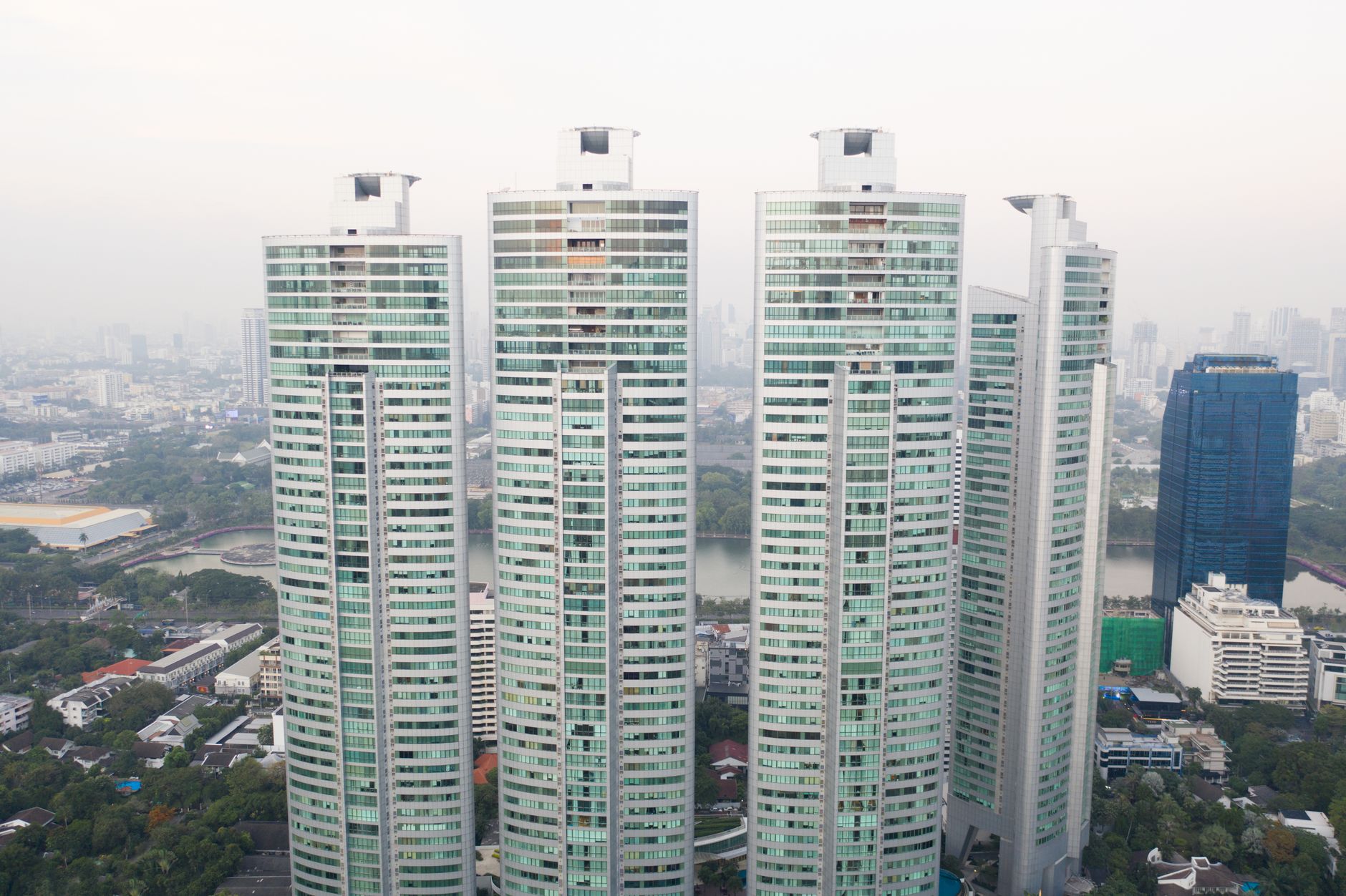
Bangkok's property landscape is undergoing a seismic shift that separates market opportunists from those holding depreciating assets. While headline-grabbing headlines focus on sector-wide challenges, a more nuanced story is emerging: selective segments are thriving even as the broader market corrects.
The downtown condo glut-particularly in saturated precincts like Sukhumvit and Silom-continues to weigh heavily on sentiment. New supply in these established areas has outpaced demand, pushing yields below 3% for many investors. Yet venture into emerging suburbs like Rama 9 and Bearing, and the dynamics shift dramatically. Properties in these zones have appreciated 8-12% over the past 18 months as Bangkok's middle class seeks value and space outside the CBD premium.
Data reveals telling splits in buyer behaviour. Mid-range condominiums (2-3 million baht) in secondary locations are moving faster than ever, while luxury units above 10 million baht sit longer on the market. This suggests a fundamental reset in wealth distribution and purchasing power, with Bangkok's expanding professional class prioritising practical returns over prestige addresses.
Mixed-use developments are capturing investor attention in ways pure residential projects cannot. Properties that blend retail, office, and residential components-increasingly visible in precincts like On Nut and Bearing-offer diversified income streams and greater resilience to single-sector downturns. Investors report stronger rental yields and lower vacancy rates in these hybrid models compared to traditional condo towers.
The suburban play is particularly compelling. Developments along the BTS extensions and planned infrastructure corridors are attracting both end-users and investors seeking value appreciation. First-time buyers, traditionally priced out of central Bangkok's soaring costs, are discovering that commuting 20-30 minutes can unlock ownership at substantially lower price points.
However, caution remains warranted. The shadow of oversupply looms over 2026, with developers having launched unprecedented inventory. Interest rates, while potentially stabilising, remain elevated compared to the pre-pandemic era. Financing conditions have tightened considerably, particularly for off-plan purchases.
The real estate professionals navigating this period successfully share a common thread: they're abandoning one-size-fits-all investment philosophy. Instead, they're analysing micro-market fundamentals-infrastructure timelines, demographic shifts, and developer track records-rather than relying on historical performance.
For Bangkok property investors, the message is clear: the era of passive appreciation has ended. The next twelve months will reward those who think surgically about location selection, property type, and exit strategy. The market isn't dead; it's simply demanding intelligence.
This article was compiled by AI and screened before publishing. See our editorial standards.
This article is general information only and is not personal financial or investment advice. Consider your own circumstances and seek licensed professional advice before making financial decisions.