business
Bangkok's Economic Signals Point to Cautious Growth as Foreign Cash Flows Shift Direction
A slowdown in regional typhoons has eased shipping pressures, but Thailand's investment landscape reveals a more complex picture of where global money is actually moving.
How we reported this
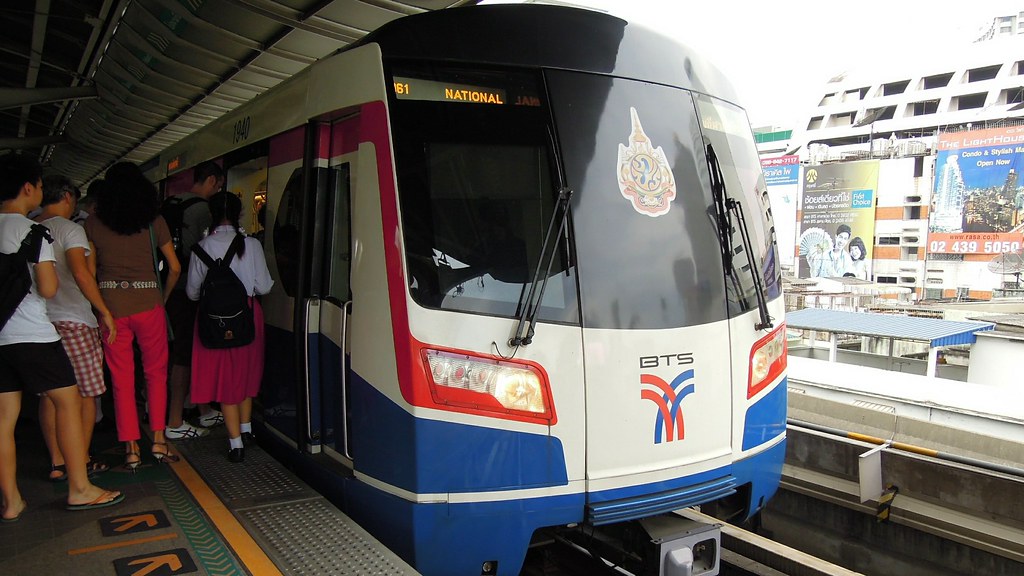
Bangkok's export corridors are breathing easier this week after back-to-back weather disruptions along shipping routes, yet data flowing into the Thai Stock Exchange and the Bank of Thailand's offices on Rama VI Road tells a different story about what's driving investment decisions in Southeast Asia right now.
The practical reality facing fund managers and business owners across the city: capital flows are reorienting toward geopolitical stability and debt management. Developing economies worldwide are spending 56% more on foreign debt repayment than on education, according to United Nations analysis released this week. Thailand sits squarely in the middle of that squeeze. The country's external debt servicing obligations consumed 19.2 billion baht in the first quarter alone, cutting into the kinds of infrastructure and human capital investments that typically fuel longer-term growth.
For Bangkok's business community, this matters immediately. Companies listing on the SET or seeking venture funding from the district's growing number of fintech operations around Silom and Sukhumvit are facing tighter valuation multiples. The Thai baht has steadied against the dollar-trading at 34.8 to the US dollar on July 11-but the underlying currents suggest selective capital movement rather than broad confidence surges.
Where Money Is Actually Landing
Three specific flows dominate current investment patterns in Bangkok. First, regional development banks and institutional investors are rotating toward shorter-duration assets and fixed income. The Thailand Bond Market Association reported that yields on government bonds have compressed by 23 basis points since April, signaling demand for lower-risk instruments. Second, companies in logistics and supply chain management-historically Bangkok's strength-are seeing capital inflows stabilize after typhoon-related inventory disruptions in June. Third, tourism and hospitality operators are cautiously optimistic following July hotel occupancy rates of 68% across central Bangkok, up from 61% in June.
The Kasikornbank Economic Research Center and the Krung Thai Bank analysis teams both noted this week that while foreign direct investment into Thailand ticked down 3.1% year-on-year in Q2, the composition shifted toward stable, infrastructure-linked projects rather than speculative plays. Real estate investment trusts holding Bangkok CBD properties saw modest fund inflows, but entertainment and retail REITs continued to face headwinds.
International investors are paying attention to a specific number: Thailand's current account deficit widened to 2.7 billion dollars in May, driven by elevated energy import costs and lower-than-expected commodity export revenues. That gap makes refinancing more expensive and constrains the room for fiscal expansion. The Ministry of Finance's office in the Government Complex in Bang Kapi has already signaled that Q3 budget allocations may face modest trimming.
What Traders Are Watching Now
Market participants working from trading floors along Wireless Road and the financial towers near Lumpini Park are closely tracking three indicators for the next 90 days. The first is rice export volume-Thailand ships roughly 8.5 million tonnes annually, and prices remain soft due to global supply gluts. Second, semiconductor and electronics component demand from major trading partners, which drives the manufacturing activity concentrated in eastern seaboard zones. Third, the baht's performance against regional currencies, particularly the Vietnamese dong and Indonesian rupiah, which affects relative competitiveness for Bangkok-based exporters.
For business owners and investors making allocation decisions this quarter, the message from recent data is straightforward: growth is available, but selectivity matters. Debt-servicing pressures across developing economies mean capital isn't flooding into the region indiscriminately. The funds that are moving prefer assets with clear cash generation profiles and exposure to stable demand sectors. Bangkok's traditional strengths in trade and logistics still attract capital, but only at prices that reflect the actual, slower growth trajectory rather than the faster expansion many hoped for in early 2026.