business
Retail Faces Strong Headwinds in Bangkok Amid Rising Costs and Shifting Consumer Behavior
As inflation pressures mount and consumer habits evolve, Bangkok’s retail sector confronts significant challenges in 2026.
How we reported this
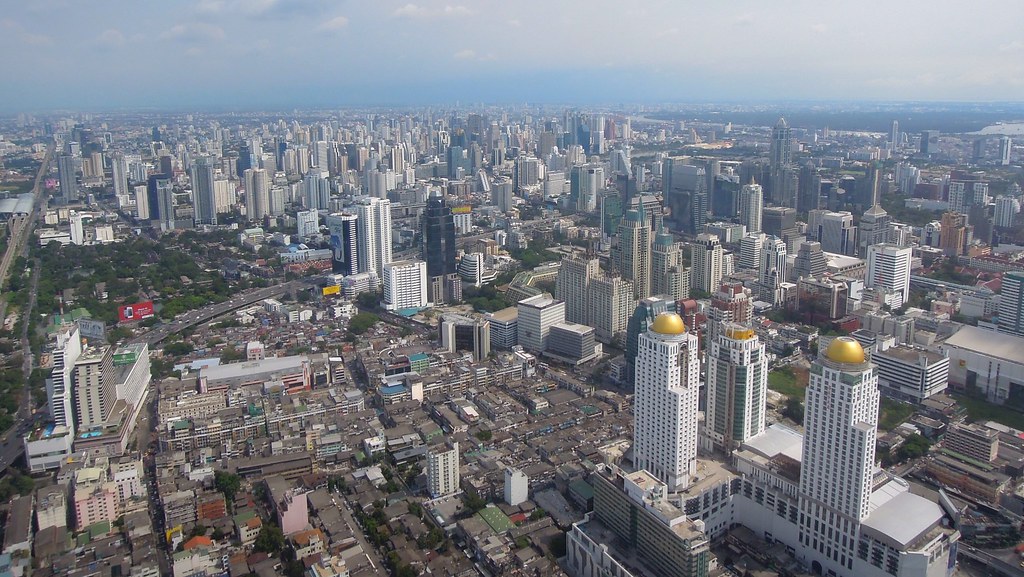
The retail industry in Bangkok is encountering a series of hurdles this year, as rising rental rates, supply chain disruptions, and changing spending patterns strain businesses across the city. Recent months have seen a slowdown in new store openings in key shopping districts, with some established retailers downsizing or re-evaluating their strategies amid these headwinds.
These challenges come at a critical time for Bangkok’s retail sector, which contributes substantially to the metropolitan economy and employment. The city’s retail landscape has long been a hub for both tourists and local consumers, but ongoing global economic uncertainties combined with domestic inflation have created a more cautious spending environment. This shift threatens the momentum that retail businesses had been building since the easing of COVID-19 restrictions.
Local Struggles in Prime Retail Hubs
Siam Square and Sukhumvit Road, two of Bangkok’s most vibrant retail corridors, exemplify the current difficulties. Siam Paragon reported a 5% decline in foot traffic during the first quarter compared to the same period last year, according to data provided by the Thai Retailers Association. Meanwhile, rental prices in these areas have increased by an average of 8% year-over-year, placing a heavier financial burden on smaller retailers and startups.
Meanwhile, ICONSIAM, which reopened with a host of new international brands this year, has seen mixed results. Although initial sales surged during the first few months after reopening, the subsequent drop in tourist arrivals due to renewed travel restrictions in some ASEAN countries has dampened growth forecasts. Local boutique shops within the complex report that discretionary spending is plateauing, pushing some to consider promotional discounts and increasing social media marketing investments.
Data Reflects Economic Pressures and Consumer Shifts
Industry sources highlight a 4.7% inflation rate in Thailand as of June 2026, its highest in over five years, which has contributed to rising operational costs across the board. Electricity and utility rates for commercial properties in Bangkok-particularly in central districts such as Pathum Wan and Khlong Toei-have jumped by roughly 10% since January, further squeezing retailers’ margins.
Consumer behavior surveys conducted by the University of Bangkok’s Business School indicate a shift toward essential goods and price sensitivity among middle-income shoppers. Approximately 62% of respondents said they were reducing expenditure on non-essential items this year compared to 2025. Online retail competition remains another fierce challenge; e-commerce platforms have grown by 15% annually, drawing customers away from traditional brick-and-mortar stores.
Smaller retail operators, particularly along Ratchada Soi 4 and Chatuchak Market, have noted an ongoing struggle to maintain profitability without resorting to aggressive discounts, which in turn erodes long-term brand value. Larger department stores like CentralWorld are experimenting with integrating more experiential retail models, including pop-up events and interactive displays, in a bid to boost engagement.
Looking ahead, industry analysts urge retailers to rethink their business models by focusing on unique, locally sourced products and enhancing the in-store experience. Practical measures such as negotiating flexible lease terms, optimizing inventory logistics, and investing in digital marketing are critical for surviving the current landscape. For consumers, patience may be required as the sector recalibrates; however, the outlook suggests a more diversified and resilient retail environment is possible by the end of 2026.