business
Bangkok's Export Engine Sputters as Global Shocks Cascade Into Thai Supply Chains
Typhoons battering China, geopolitical tensions in the Middle East, and wildfire disruptions across southern Europe are forcing Bangkok manufacturers and traders to rethink logistics and pricing strategies this quarter.
How we reported this
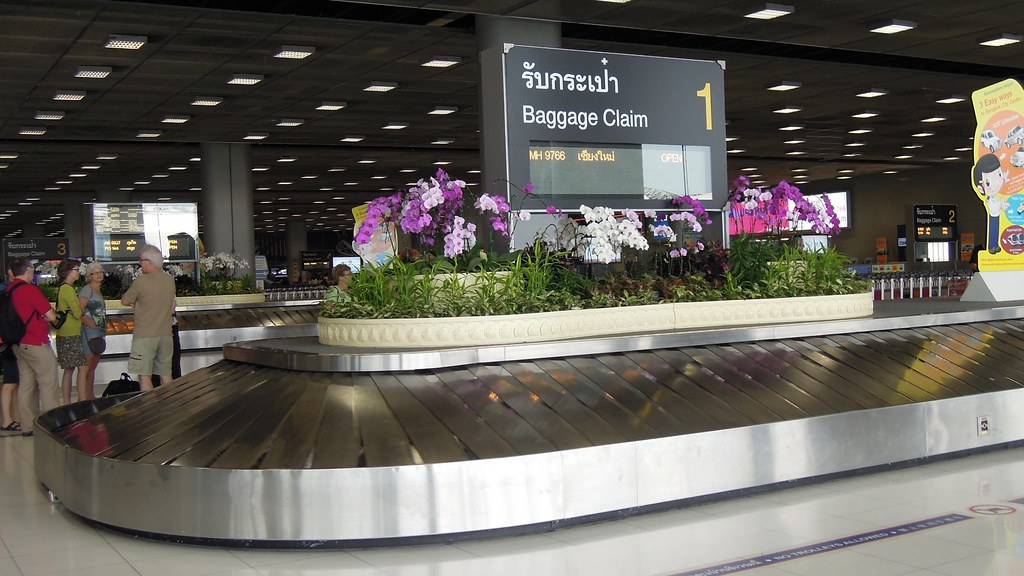
Bangkok's business district went quiet this week. Not because of the usual July humidity, but because supply chain managers across the city were tallying fresh damage from events half a world away.
China's back-to-back typhoons in the past ten days have disrupted manufacturing hubs that Bangkok's semiconductor and automotive exporters depend on. At the same time, geopolitical tensions spiking in the Middle East are pushing shipping insurance premiums higher-a direct tax on Thai goods flowing toward Europe and beyond. Southern Spain's wildfire crisis, which killed twelve people, has also knocked out several logistics hubs that Thai fresh fruit exporters use as distribution points.
The cascade of problems reveals how exposed Bangkok's economy remains to global shocks, even as local businesses trumpet their "diversification" strategies. Transport costs are rising. Delivery times are stretching. Margins are compressing.
"We've seen shipping rates jump 8 to 12 percent in the past two weeks alone," says a logistics manager at a major freight forwarder near the Port Authority of Thailand on Charoen Krung Road. The official asked not to be named. "Every delay in China adds two to three days to our Thailand turnaround. Clients are asking if we can absorb the costs. We can't."
Where the Pain Is Sharpest
The impact is sharpest in sectors that Bangkok depends on most. Thai rubber exporters, already dealing with softer demand from automotive factories, now face longer routes around the Indian Ocean as shipping companies avoid the Strait of Hormuz. That costs money. Electronics manufacturers based in the Rayong industrial park, east of Bangkok, rely on Chinese component suppliers who are scrambling to reroute orders after typhoon damage knocked out facilities in Fujian and Guangdong provinces.
Fresh fruit traders at Or Tor Kor Market, Bangkok's premium agricultural hub, are redirecting shipments away from Spanish distribution centers. Mangoes and dragon fruit destined for European supermarkets are taking longer routes through ports in Germany and the Netherlands. Cold chain delays mean spoilage risk goes up.
Tourism-dependent businesses are watching nervously too. Hotels and tour operators along Sukhumvit Road and near the Grand Palace are monitoring whether geopolitical tensions will dampen European travel bookings in the fourth quarter. Airlines flying Bangkok-Europe routes are quietly factoring in higher fuel surcharges given volatility in shipping lanes.
The Numbers Tell a Grim Story
Thailand's Board of Investment reported last month that foreign direct investment inflows for the first half of 2026 ran 14 percent below the same period last year. Manufacturing accounts for much of the shortfall. The Thai Bankers Association data shows commercial lending for export-oriented businesses grew just 2.3 percent in June-the slowest pace since early 2024.
Currency movements are compounding the pain. The Thai baht has weakened 3.7 percent against the U.S. dollar since May, which should theoretically help exporters. Instead, it's making imported raw materials costlier. Companies that buy inputs in dollars but sell finished goods in baht are getting squeezed.
Somchai Suwannapong, an economist at Kasikornbank, noted in a client brief two days ago that "external headwinds are now the primary risk to Thailand's 2026 growth forecast." The bank has cut its year-end projection from 3.1 percent to 2.8 percent GDP growth.
For Bangkok business owners, the immediate lesson is stark: hunker down on cash flow. Companies are tightening working capital, pushing vendors for faster payment terms, and renegotiating contracts with force-majeure clauses. Banks like Bangkok Bank and Siam Commercial Bank are fielding calls from clients seeking short-term credit lines to bridge the gap between payment obligations and delayed shipment arrivals.
The global turbulence won't settle quickly. While China's typhoon season tapers in late August, Middle East tensions show no sign of cooling. That means Bangkok's exporters should prepare for several more months of elevated costs and uncertainty. Smart operators are already locking in freight rates through September and diversifying suppliers away from single-source risk. The slow movers will simply absorb the hit.