business
What Bangkok Residents Need to Know About Workforce Development Today
Understanding workforce development is essential for consumers as the city’s labor market evolves amid global and local challenges.
How we reported this
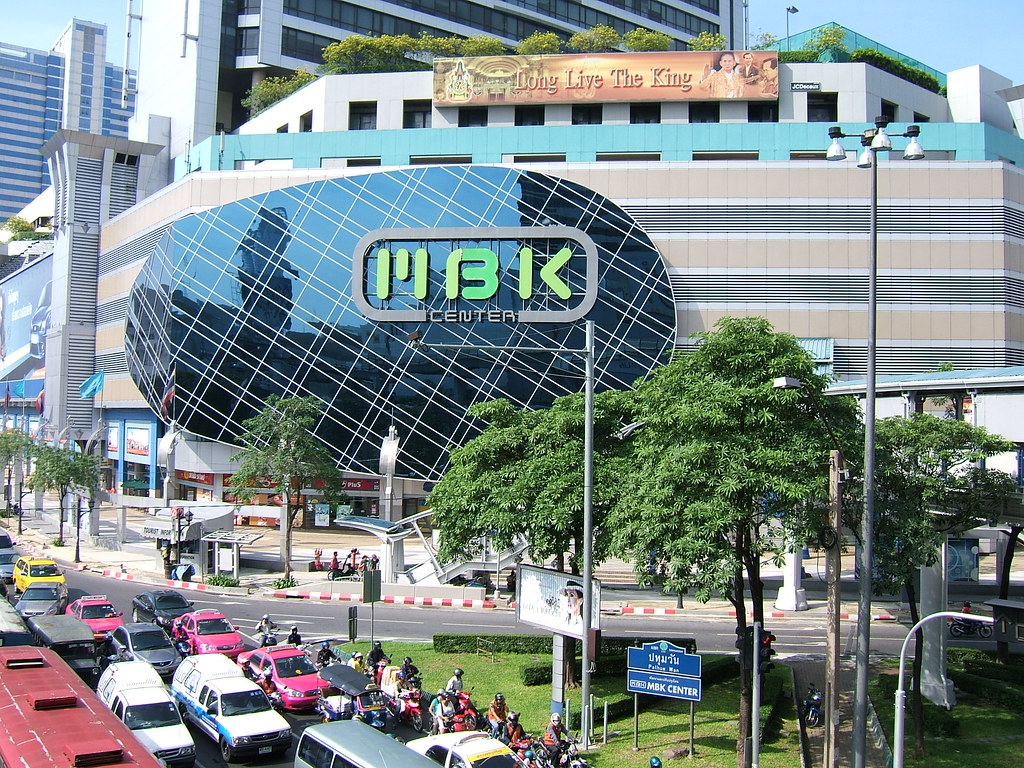
Bangkok’s workforce is undergoing significant shifts as businesses and policymakers grapple with a changing economic landscape shaped by global events and local priorities. While headlines focus on geopolitical tensions and natural disasters, the day-to-day realities for consumers and residents hinge on how workforce development policies and initiatives impact job opportunities, skills training, and local business resilience.
Why Workforce Development Matters Now
Amid the ongoing disruptions in international trade routes and regional economies, including recent tensions affecting global maritime security, Bangkok’s vibrant business scene must adapt to ensure sustainable employment. The implications for everyday residents include potential changes in the availability and nature of jobs, shifts in the demand for specific skills, and the cost and accessibility of educational programs designed to meet new market needs. As a global city, Bangkok faces pressure to equip its workforce with competencies that align with evolving industries, from technology to services, thereby safeguarding economic stability for its citizens.
Local Workforce Initiatives and Consumer Impact
Within Bangkok, multiple institutions and training centers have increasingly focused on upskilling programs tailored for sectors crucial to the city’s economy. These efforts aim to bridge gaps between industry requirements and workers’ capabilities, enhancing employability for residents in diverse districts. For consumers, this translates into a labor market with more qualified professionals, potentially improving customer service standards, product quality, and innovation in local shops and enterprises found across commercial areas such as Sukhumvit and Silom.
As Bangkok continues to nurture talent development, residents may observe a gradual elevation in wage levels and shifts in job types available at community levels. This is particularly pronounced among service providers and small businesses that play a pivotal role in the urban economy, benefiting from a workforce that can meet digital transformation demands and customer service excellence.
Although precise local statistics or program details are not available from the current live market data, qualitative assessments suggest that workforce development increasingly determines the degree of economic resilience in Bangkok neighborhoods. This affects consumers not just in employment opportunities but in the stability and quality of goods and services offered daily.
Consumers and residents benefit by staying informed about announcements from local government bodies and vocational institutions that offer skill-building courses and apprenticeships. Engaging with these programs can lead to better job prospects or enhanced service experiences within the community. Keeping abreast of labor market trends also empowers consumers to anticipate changes affecting household incomes, pricing, and availability of services.
As Bangkok moves forward, understanding the significance of workforce development helps residents make informed decisions about education, career paths, and even consumption patterns. This awareness promotes a more resilient urban economy that can adapt to external shocks and continue to serve its population effectively.