business
Global Turmoil Casts Shadows Over Bangkok’s Business Outlook
International conflicts and climate disasters ripple through Bangkok’s commercial sectors, prompting cautious strategies among local enterprises.
How we reported this
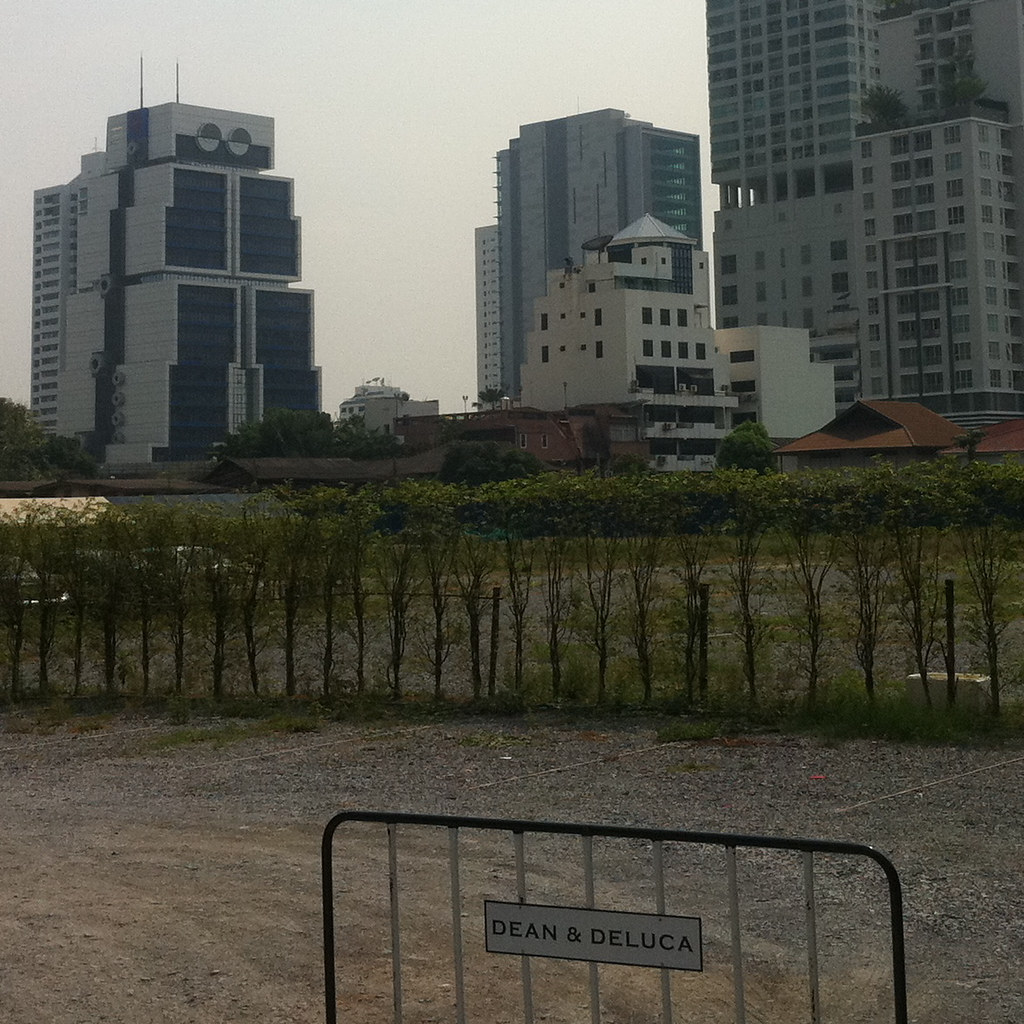
Bangkok’s business community is facing heightened uncertainty as international tensions and natural disasters abroad complicate already fragile global supply chains and trade relations. The recent exchange of strikes between the United States and Iran near the Strait of Hormuz, a key global shipping channel, is drawing particular concern from trade-dependent enterprises in Thailand’s capital.
Why Global Strife Matters to Bangkok Business
The Strait of Hormuz is critical for shipping oil and goods through international waters; disruptions there have reverberated worldwide, including Southeast Asia. The U.S. insistence that the strait remains open amid recent military clashes signal ongoing instability, potentially affecting oil prices and logistics costs. Such volatility matters especially now, as Bangkok companies recover from pandemic-era disruptions and seek stable conditions to rebuild export and import activities.
Meanwhile, China’s evacuation of nearly two million people ahead of a powerful typhoon landing marks another global event with downstream impacts. China’s manufacturing hubs are key suppliers to numerous Bangkok businesses, so disruptions there could slow deliveries of essential components and goods, adding to local firms’ uncertainty about inventory and production planning.
Local Business Impact and Response
Within Bangkok’s commercial heart, from the wholesale markets near Khlong Toei to technology distributors along Ratchadaphisek Road, wholesalers and retailers are adjusting to anticipated fluctuations. Firms reliant on global shipping routes are watching the Strait of Hormuz situation closely and taking precautionary steps such as diversifying suppliers or increasing inventory buffers.
Similarly, importers of electronics and consumer goods bracing for ripple effects from China’s typhoon-related evacuations reflect growing risks in supply continuity. Local chambers of commerce and industry associations in Bangkok have circulated advisories urging members to assess their supply chains and consider contingency logistics plans.
Businesses in sectors like food processing, manufacturing, and retail report moderate delays from upstream suppliers, though no acute shortages have surfaced yet. Still, industry players have noted rising costs for shipping and insurance, which traders fear could translate into higher prices for consumers and squeezed profit margins for local companies.
Facing these compounded international developments, Bangkok’s business leaders are emphasizing flexibility and resilience. Adopting multi-channel sourcing strategies and digital tools for real-time supply chain tracking are emerging as practical measures among firms seeking to mitigate risks from ongoing global uncertainties.