finance
Global Tensions Shape Bangkok Business Decisions on Trade and Energy
Companies track developments in the Strait of Hormuz and Chinese typhoon response for effects on costs and supply lines.
How we reported this
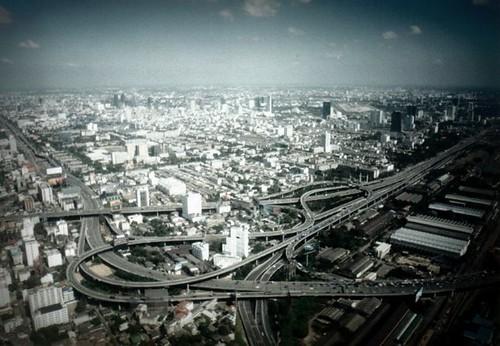
Bangkok firms are reviewing contracts and inventory plans as US and Iranian forces trade strikes near the Strait of Hormuz. The waterway carries a large share of global oil shipments, and any sustained disruption raises fuel and transport expenses for importers and exporters operating out of the Thai capital.
Supply Routes Under Pressure
Local logistics operators note that higher bunker fuel prices would increase the cost of moving goods through Laem Chabang port and onward to warehouses in the Bang Na and Lat Krabang districts. Retail chains that rely on electronics and consumer products from East Asia face the added variable of China moving nearly two million people ahead of a major typhoon landfall, which has already delayed some factory output and container schedules.
Businesses here do not yet report shortages, but purchasing managers say they are shortening order cycles and seeking alternative carriers to avoid potential surcharges. The same pattern appears in the construction sector, where steel and chemical inputs often arrive via routes that pass near conflict zones or storm-affected ports.
Local Adjustments Underway
Property developers in central Bangkok report that rising diesel prices would lift operating costs for site equipment and worker transport. Smaller manufacturers in the eastern suburbs are checking currency hedges and exploring nearer suppliers in Vietnam or India to reduce exposure to long-haul shipping volatility.
Analysts at regional chambers of commerce advise firms to model scenarios that assume a 10 to 20 percent rise in energy-related costs over the next quarter. They also recommend updating force-majeure clauses in new agreements to cover both maritime incidents and weather-related port closures.
Executives continue to gather daily updates from shipping lines and commodity desks rather than committing to fixed-price, long-term deals until the situation around the Strait of Hormuz and Chinese coastal provinces clarifies. Most describe the current approach as cautious monitoring rather than large-scale rerouting.
This article is general information only and is not personal financial or investment advice. Consider your own circumstances and seek licensed professional advice before making financial decisions.