business
Global Turmoil Impacts Bangkok’s Business Landscape
Supply chain disruptions and rising costs ripple through Bangkok’s key economic sectors amid international crises.
How we reported this
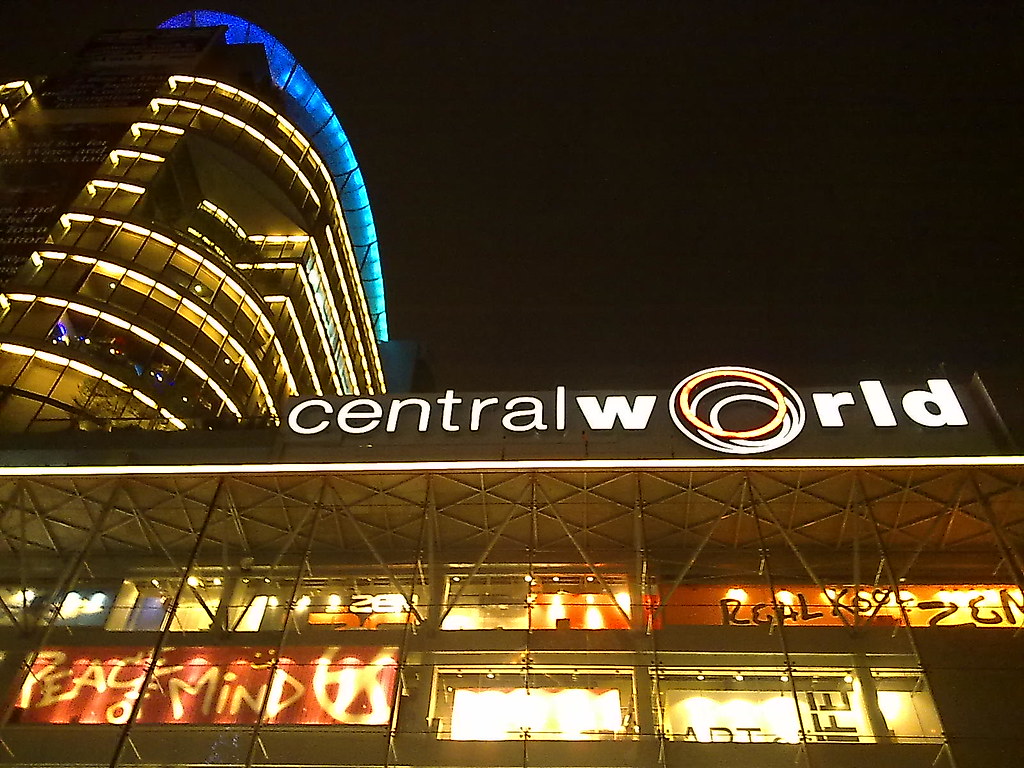
Bangkok businesses are facing mounting challenges this month as international disruptions-from the closure of the Strait of Hormuz to multiple extreme weather events across Asia and Europe-to directly impact supply chains and operating costs in the city’s bustling commercial hubs.
Why the World’s Crises Matter to Bangkok
The sudden announcement by Iran to close the Strait of Hormuz, a vital artery for 30% of the world’s seaborne oil, has sent shockwaves through global oil markets. With fuel prices rising, this crisis comes alongside China’s back-to-back typhoons that have disrupted manufacturing and export schedules. For a city like Bangkok, whose economy is tied deeply to imported goods and energy supplies, these global events are not distant news-they translate quickly into higher business overhead and logistical bottlenecks.
Amid the ongoing volatility, companies reliant on overseas materials and energy are recalibrating their strategies. The situation has intensified pressure on sectors such as manufacturing in the Lat Phrao Industrial Area and retail distribution through the Bang Sue district, both hubs of sustained economic activity.
Local Impact: Bangkok Businesses Caught in the Crossfire
At the heart of Bangkok’s manufacturing belt on Soi Ramkhamhaeng 39, several factories report delays in receiving raw materials imported from China and the Middle East. The Thai Garment Manufacturers Association has noted a 12% increase in production costs this quarter, attributable primarily to freight rate surges and fuel price hikes.
Meanwhile, wholesale markets around Khlong Toei, vital for food and consumer goods distribution, are grappling with elevated transportation expenses. Delivery trucks now face fuel surcharges up to 15 baht per liter above prices seen in May, cutting into tight profit margins for small and medium enterprises (SMEs) whose logistics costs already average 25% of total expenses.
In response, the Bangkok Metropolitan Administration (BMA) has launched an expedited dialogue initiative with the Federation of Thai Industries and the Thai Chamber of Commerce to explore subsidies and supply chain diversification programs. However, the immediate pressure remains palpable for entrepreneurs and managers operating day to day.
Data Points Reflecting Growing Economic Strain
Fuel futures on the Singapore Exchange climbed nearly 8% this week, the highest spike since 2023, influenced both by Iran’s Strait closure and production setbacks in Gulf countries. Locally, petroleum retail prices in Bangkok have surpassed 40 baht per liter for diesel-up from 35 baht just three months ago.
Import statistics also reveal Bangkok’s vulnerability. In June, customs data from the Ministry of Commerce showed a 5% decrease in container traffic at the Khlong Toei Port compared to May, a sign of delayed shipments and strained supply lines. The combined effect threatens to slow industrial output growth, which had held steady at 3.4% in Q1.
Retail sales in central shopping districts, such as Siam Square and Pratunam, face pressure as consumers become more price-sensitive amid rising living costs-a challenge for luxury and discretionary goods retailers.
Looking Ahead: Strategies for Bangkok Businesses
To navigate this unsettled terrain, experts advise Bangkok firms to enhance supply chain flexibility by sourcing alternative suppliers within Southeast Asia, particularly Vietnam and Indonesia, to mitigate Middle East-related risks. The BMA’s new SME Resilience Program offers training and microloans specifically aimed at improving digital logistics and inventory management, a critical capability in these conditions.
Owners and operators in sectors vulnerable to fuel price volatility should assess energy efficiency investments. Some manufacturers along Sukhumvit Road are already adopting solar microgrids to reduce dependence on costly imports. For the retail sector, promotional campaigns emphasizing value and local products may help sustain consumer demand.
Ultimately, Bangkok’s economic resilience this summer depends on swift adaptation to the ripple effects of distant geopolitical shifts, alongside coordinated local policy support. For business stakeholders, staying connected with trade associations and government programs will be crucial in mitigating immediate risks while preparing for uncertain global tides.