finance
Bangkok Residents Face Rising Prices, Shifting Consumer Spending Patterns
Amid regional and global pressures, Bangkok’s everyday economy is showing shifts that affect spending, prices, and household budgeting.
How we reported this
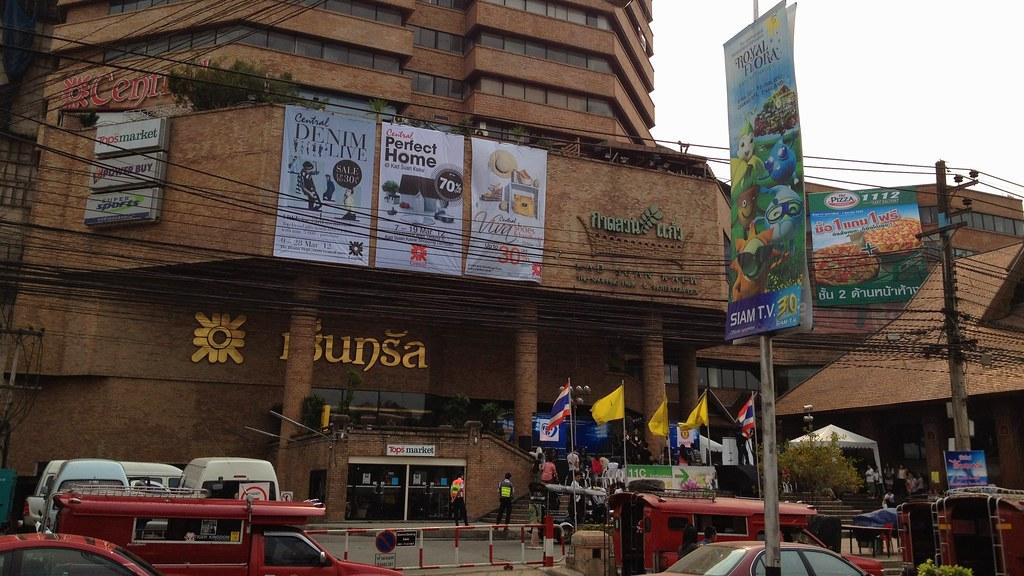
Bangkok’s local economy is navigating significant uncertainty as global tensions and trade disruptions ripple through Southeast Asia. Residents and consumers should be aware of how these changes could influence prices, availability of goods, and economic opportunities in the coming months.
Why This Matters Now
The recent reinstatement of the U.S. shipping blockade on Iran has exacerbated supply chain concerns at global chokepoints, notably the Strait of Hormuz, a vital corridor for Middle Eastern oil exports. While Bangkok is geographically distant, the city’s position as a major trade hub means economic reverberations are inevitable. Industries dependent on oil and shipping costs, such as transport, manufacturing, and consumer goods distribution, face increased volatility and cost pressures.
For Bangkok residents, this volatility underlines the importance of understanding how global events cascade to local markets. The reopening of major sea routes takes time and often comes amid heightened tensions, influencing the price of fuel and subsequently food, transport, and other essentials in the city.
Local Impact and Daily Realities
In neighbourhoods like Chatuchak and Silom, popular markets and shopping districts have reported some fluctuations in imported goods availability and pricing patterns. Small businesses reliant on imports face cost challenges that they often pass on to consumers. At the same time, consumers in middle and lower-income brackets may feel the pinch as prices adjust upward, particularly regarding essentials such as food staples and fuel.
Local transit users dependent on buses and taxis linked to fuel prices could also experience fare increases. Moreover, rising costs can impact disposable incomes, affecting spending habits across entertainment venues, eateries, and local retail sectors vital to Bangkok’s vibrant economy.
While there is no definitive local statistic available today outlining these impacts, the qualitative signs across Bangkok’s markets and neighbourhood commerce clearly suggest adaptive shifts. Residents are advised to anticipate tighter household budgets and plan expenditures carefully, as the broader geopolitical issues continue to strain supply chains and pricing structures.
What Residents Should Do
Practical steps include monitoring fuel prices closely, which often serve as early indicators of wider economic adjustments. Consumers should consider prioritising locally sourced products where possible to mitigate the effects of import cost fluctuations. Additionally, awareness of city government consumer assistance programs or subsidies may prove helpful as economic pressures continue.
Staying informed on fuel costs and public transport changes, as well as frequently checking prices at local markets, can help households manage expenses more effectively. While economic headwinds remain, vigilance and flexible budgeting will be essential tools for Bangkok residents and consumers navigating this uncertain period.
This article is general information only and is not personal financial or investment advice. Consider your own circumstances and seek licensed professional advice before making financial decisions.