finance
Bangkok Property Market Hits 7-Year Low, Creating Buyer Opportunities
With ownership transfers at a seven-year low, savvy investors are capitalizing on government incentives and an oversupply of units.
How we reported this
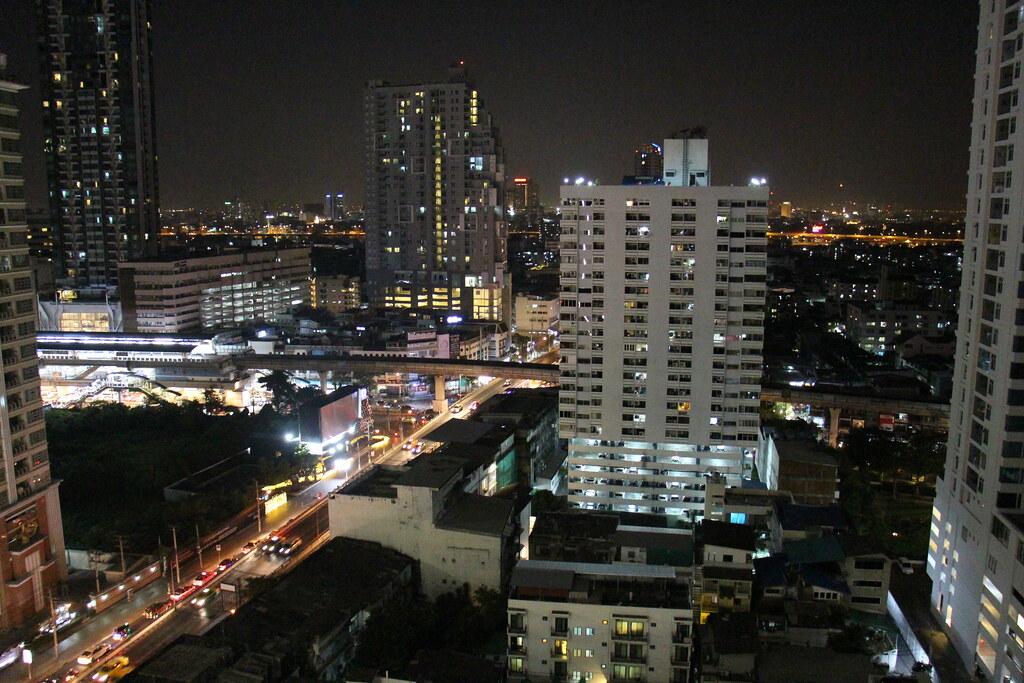
Bangkok's residential property market continues its correction phase, presenting fresh opportunities for informed investors. Nationwide ownership transfers in 2025 dipped to approximately 300,000 units, marking a seven-year low compared to the typical annual figure of 400,000 transfers, according to the Nation Thailand business section.
This decline in market activity matters now because it reflects slowing transaction volumes amidst rising energy costs and inflation, which have tempered demand despite recent government efforts to stimulate sales. Although ownership transfers in the first quarter of 2026 increased by 11.2% year-on-year, fuelled by incentives such as a temporary reduction of transfer fees to 0.01% and the availability of 100% loan-to-value (LTV) mortgages, analysts forecast a 1.1% contraction in property transaction volumes over the full year.
Oversupply Creates Buyer Leverage
Bangkok faces a significant unsold inventory, exceeding 200,000 residential units, equivalent to about three years' worth of normal demand. This surplus weighs heavily on the market and restrains prices, especially as new project launches in Greater Bangkok have fallen by more than 33% compared to the previous year.
This glut is partly why purchasers now have greater negotiating power. Developers eager to reduce their stock are more inclined to offer discounts and financial packages to close deals. Those looking for entry or expansion in Bangkok real estate may find more favorable conditions in districts with high unsold supply, benefiting from both lower prices and more flexible terms.
Government Measures Provide Short-Term Boost
The government's role in stimulating demand cannot be underestimated. Q1 2026 saw residential unit transfers climb 11.2% compared to the same period last year, driven in part by incentives like slashed transfer fees and accessible financing options. These moves helped offset the dampening effects of macroeconomic pressure points such as inflation and escalating energy expenses.
However, while the immediate impact of these measures is positive, market watchers caution that underlying economic pressures may limit sustained recovery. For now, buyers able to leverage these incentives and select from a broad inventory stand to gain the most.
Looking ahead, prospective buyers and investors in Bangkok’s property market should monitor government policy adjustments and price trends closely. Engaging with developers offering promotions or exploring opportunities in oversupplied segments could present advantageous entry points. Meanwhile, those planning developments must remain mindful of excess supply and align projects carefully with demand to avoid further market saturation.
This article is general information only and is not personal financial or investment advice. Consider your own circumstances and seek licensed professional advice before making financial decisions.