finance
Global Headwinds Start to Hit Bangkok's Business Core
Bangkok’s economic engine faces pressure from weakening export markets and a tourism slowdown, amid a mature urban economy.
How we reported this
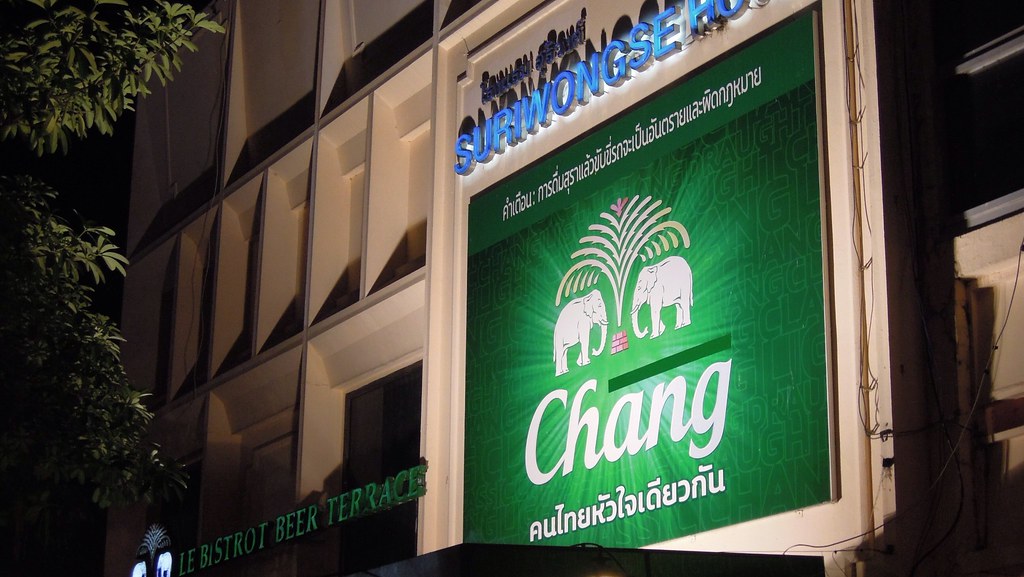
Bangkok accounts for about 30% of Thailand's national GDP and stands as the country's main economic driver, but recent data signal mounting challenges for the capital’s business landscape amid shifting global conditions. While Thailand's economy grew 2.5% in the fourth quarter of 2025, propelled by an 18.1% surge in exports and stronger domestic demand, the growth momentum faded to an estimated 2.2% in the first quarter of 2026 due to a downturn in tourism, according to the World Bank and Bank of Thailand reports.
Why Global Factors Are Pinching Bangkok’s Growth
The cooling in Bangkok’s economy comes at a time when international pressures are reshaping trade and visitor flows. Lower arrivals of Chinese tourists, a key demographic for Thailand’s hospitality sector, combined with ongoing geopolitical tensions affecting global supply chains, have created headwinds for the city’s export-dependent businesses and tourism firms. Industry groups now forecast foreign tourist arrivals in Thailand to reach only around 32 million in 2026, a sharp drop from the nearly 40 million visitors recorded pre-pandemic, substantially squeezing revenue streams central to Bangkok’s commercial hubs.
This matters for Bangkok particularly because its economy is showing signs of maturity. Growth in the city’s GDP is roughly matching population growth, illustrating a local market that is saturated and with limited room for productivity gains. As a result, the capital’s role as Thailand’s growth engine is becoming more vulnerable to external shocks, rather than internal expansion.
Local Dynamics and Competitive Pressures
Bangkok’s dominance in the national economy is stark; the city’s GDP is nearly 40 times larger than that of Chon Buri, the next largest province, underscoring its outsized role in shaping economic trends nationwide. Yet, even as the local economy has matured, business activity faces competition and pressure from rising supply in commercial real estate. For example, the Central Business Area has seen a record influx of 412,600 square meters of new prime office space in 2024, the highest annual increase since 1999, with an additional 654,000 square meters expected to come online through 2027. This growing inventory intensifies competition among office landlords and is pushing older properties to reduce rents, underlining the challenges for businesses seeking affordable and modern office environments.
The high level of household debt and cautious lending by banks also restrain local spending despite past government initiatives to boost domestic demand. Consequently, various business associations have trimmed their economic growth projections for Thailand to between 1.2% and 1.6% for 2026, below the Bank of Thailand's forecast range of 1.5% to 2.3%.
The tourism slump further compounds these challenges. With Chinese tourist arrivals declining and ongoing geopolitical risks disrupting supply chains, sectors tied to travel, retail, and export processing hubs within Bangkok are bracing for slower activity. The city’s pivotal position in imports and exports means that disruptions reverberate quickly through local businesses, from manufacturing suppliers to logistics services and hospitality providers.
Outlook and Strategic Considerations for Businesses
Looking ahead, Bangkok’s economic outlook suggests a period of steady but constrained growth as national forecasts remain modest and external risks persist. Policymakers and business leaders are responding with plans for reforms aimed at reducing business costs, supporting small and medium enterprises, and fostering emerging sectors such as AI, semiconductors, and renewable energy, efforts designed to diversify Bangkok’s economic base beyond tourism and traditional manufacturing.
For local businesses navigating these global headwinds, flexibility and innovation will be crucial. Firms may need to leverage new technologies and seek opportunities in less saturated markets or export niches. Urban developers and landlords will likely face continued pressure to adjust rents and enhance building amenities to attract tenants amid rising supply. Meanwhile, sectors tied to tourism should prepare for a gradual recovery rather than a rapid rebound, aligning operations with shifting visitor patterns and demand.
As global trade tensions and shifts in tourism flows impact Bangkok’s business environment, the city’s established industries are confronting both challenges and opportunities in redefining growth for the mid-2020s.
This article is general information only and is not personal financial or investment advice. Consider your own circumstances and seek licensed professional advice before making financial decisions.