finance
Bangkok Commercial Property Faces Supply Overload Headwinds This Year
A flood of new office and mixed-use space is squeezing older buildings and intensifying tenant competition across the Central Business Area.
Listen in English · 4 min
How we reported this
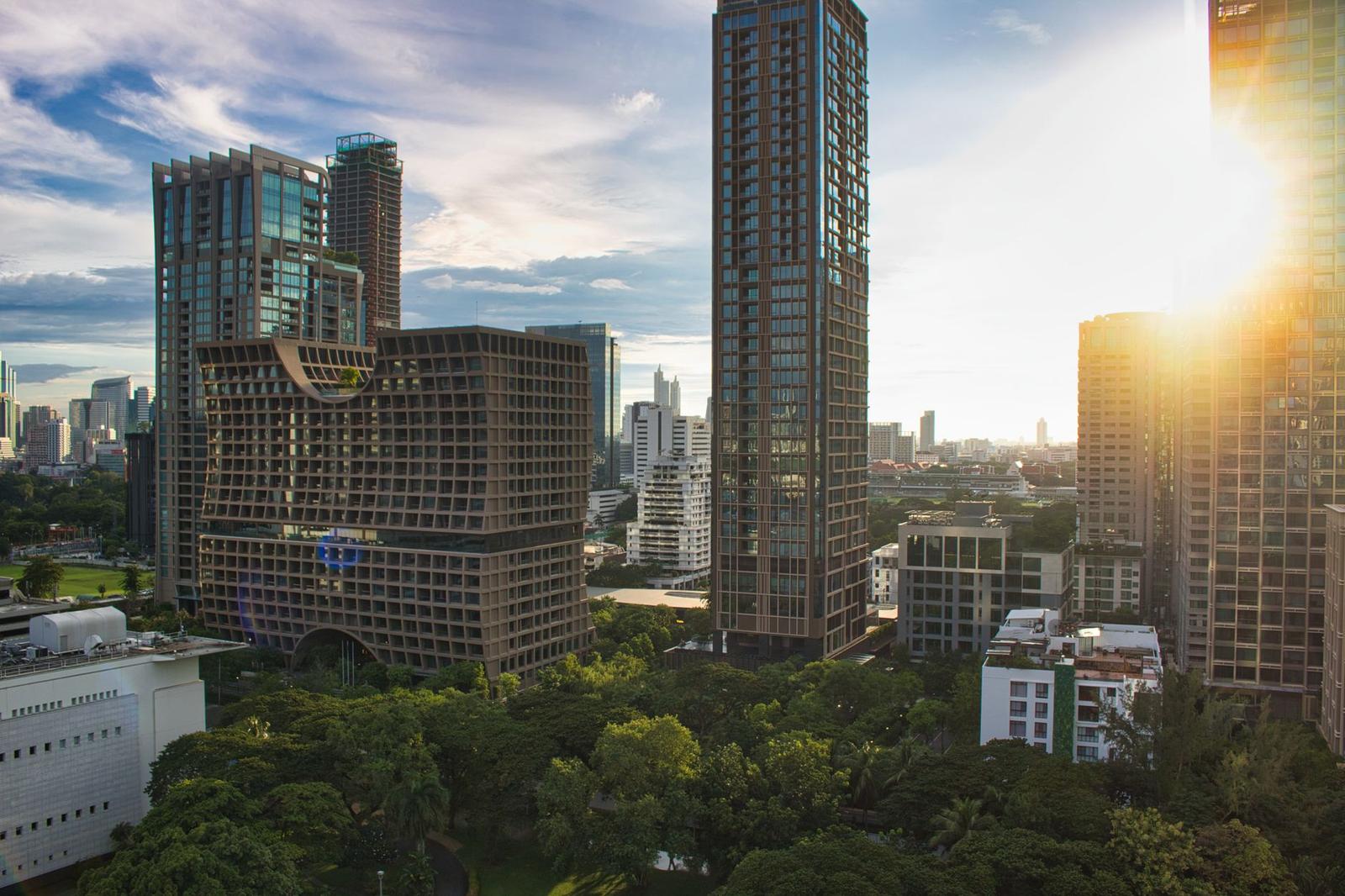
Bangkok’s Central Business Area absorbed a record 412,600 square metres of new prime office space in 2024, equal to 27.9 percent of existing stock and the largest single-year addition since 1999, according to JLL data. That surge, combined with another 654,000 square metres scheduled for completion between 2025 and 2027, is creating immediate pressure on rents and occupancy for buildings that predate the current wave of mega-projects.
Developers Push Ahead Despite Market Strain
Central Pattana has committed 120 billion baht over five years to create a new central business district and expand mixed-use sites nationwide. One Bangkok, the 3.9-billion-dollar development on Wireless Road, began phased openings to the public in October 2024 and will reach full completion in 2027 with five office towers, five hotels and three residential towers. Dusit Central Park on Silom Road opened its hotel component in late 2024, with offices and retail slated for mid-2025. These projects form part of more than 20 large-scale schemes valued at 500 billion baht that are due by 2027.
The Bangkok Metropolitan Region already held 7.3 million square metres of retail space by the end of 2025, with annual supply growth forecast at 1.2 to 2.0 percent through 2028. Older CBD properties are responding by cutting rents to retain tenants as the new Grade A stock comes online.
Older Stock Must Adapt or Lose Ground
The additional 654,000 square metres arriving through 2027 will concentrate more than half its office space inside the existing Central Business Area, directly competing with established towers. Retail components within the same mixed-use schemes add further pressure on existing malls and street-level shops. Central Pattana’s expansion plan signals that the largest local developers see long-term value in the new format, yet the immediate effect is a two-tier market where pre-2024 buildings must either refurbish or accept lower yields.
Owners of legacy assets are now reviewing fit-out incentives and lease flexibility to stem vacancy drift, while new projects continue their staged rollouts. Market participants will monitor absorption rates through the remainder of 2026 to gauge whether the supply wave stabilises or forces further concessions.
This article is general information only and is not personal financial or investment advice. Consider your own circumstances and seek licensed professional advice before making financial decisions.
References Sourced but Not Limited to:
- jll.com · Bangkoks commercial real estate braces for supply influx
- insideretail.asia · All in one how a 3 9bn mixed use development in bangkok will redefine...
- globe.co.th · Bangkok plans 14bn renewal spree led by top corporations
- retailasia.com · Central pattana unveils 35b expansion plan build new bangkok cbd
- nationthailand.com · Property
- nationthailand.com · Property
- bangkokpost.com · Influx of mixed use projects poised to transform market
- nationthailand.com · Real Estate
- krungsri.com · Retail space 2026