culture
Local Artisans Transform Bangkok's Creative Scene Across Historic and Modern Districts
From the quiet restoration of heritage shophouses in Talat Noi to the surge of avant-garde installations in Sukhumvit, the capital is undergoing a profound creative metamorphosis.
How we reported this
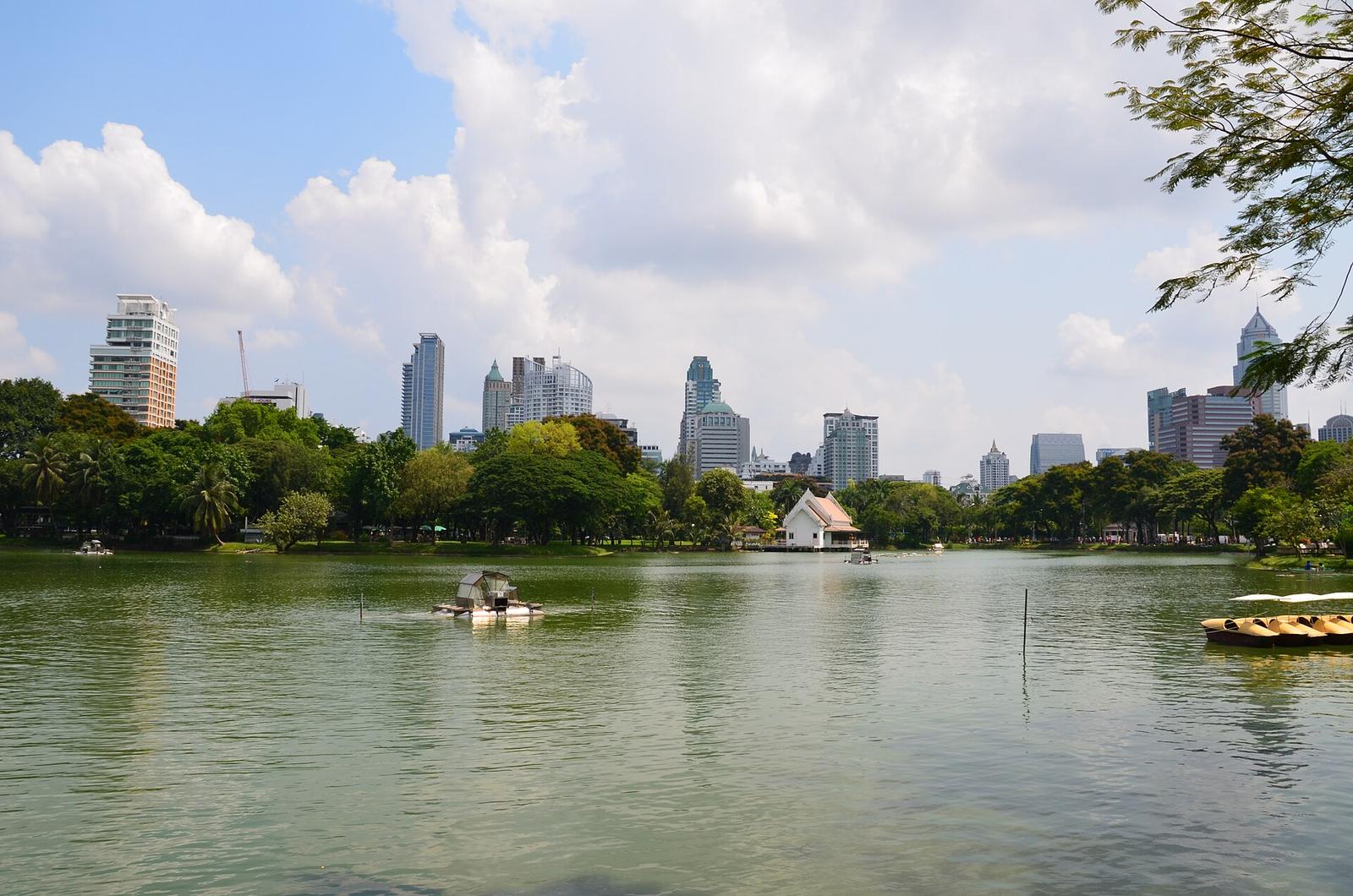
Bangkok is shifting its identity this weekend, moving away from its traditional reliance on transient tourism toward a more permanent, design-led cultural ecosystem. Across the city, from the riverfront warehouses of Charoen Krung to the modern galleries bordering Lumphini Park, a new generation of local practitioners is actively reclaiming urban spaces to host exhibitions, independent markets, and cross-disciplinary workshops. This transformation suggests a pivot in how residents view the city's character-no longer just a transit point, but a destination for artistic production.
The Rebirth of Heritage and Industrial Spaces
The Creative District along Charoen Krung Road remains the focal point for this shift, anchored by institutions like the Thailand Creative & Design Center (TCDC). By repurposing historic infrastructure, the neighborhood has successfully bridged the gap between Bangkok’s colonial-era architectural history and the demands of a modern digital economy. Local organizers report that these revitalized spaces are providing the necessary room for mid-career artists to collaborate on large-scale installations that were previously impossible to mount in the city’s more constrained, conventional retail settings.
Simultaneously, the gallery scene in the Sukhumvit area is seeing increased foot traffic as small-scale curators focus on promoting Thai contemporary art. Spaces such as the Bangkok Art and Culture Centre (BACC) near Pathum Wan intersection are reporting high attendance for current programming. This activity is not merely aesthetic; it is economic. Recent data from the Bangkok Metropolitan Administration regarding the 2026 fiscal planning suggests that cultural corridors within the Pathum Wan and Bang Rak districts have seen a marked increase in business registrations for creative consultancies and design studios.
A Sustainable Model for Urban Creativity
For those looking to engage with the city’s evolving landscape, the most immediate opportunities exist within the small, owner-operated hubs that have cropped up in the alleys of Thong Lo and Ekkamai. These venues offer a stark contrast to the massive shopping malls that once dominated the narrative of the city’s public life. Rather than focusing on high-volume retail, these clusters emphasize community-led design and local craftsmanship, often hosting weekend-long pop-up markets that highlight the work of local woodworkers, textile designers, and independent graphic artists.
Visitors and residents hoping to catch this momentum should prioritize visits to the riverside galleries during the daylight hours, as many of the smaller, independent spaces operate on non-traditional schedules that vary by exhibition cycle. Checking the updated listings for the Bangkok Art and Culture Centre and the TCDC remains the most reliable way to navigate the changing calendar of events. As the city enters the rainy season, many of these organizations are shifting their programming toward indoor studio sessions, providing a glimpse into the collaborative processes currently defining the next era of Bangkok’s cultural identity.