culture
Bangkok's Creative Districts Transform Historic Riverside Trading Centers Into Cultural Hubs
As Bangkok redefines its urban identity, the evolution of its historic districts into cultural nodes reflects a broader shift in how the city engages with its past.
How we reported this
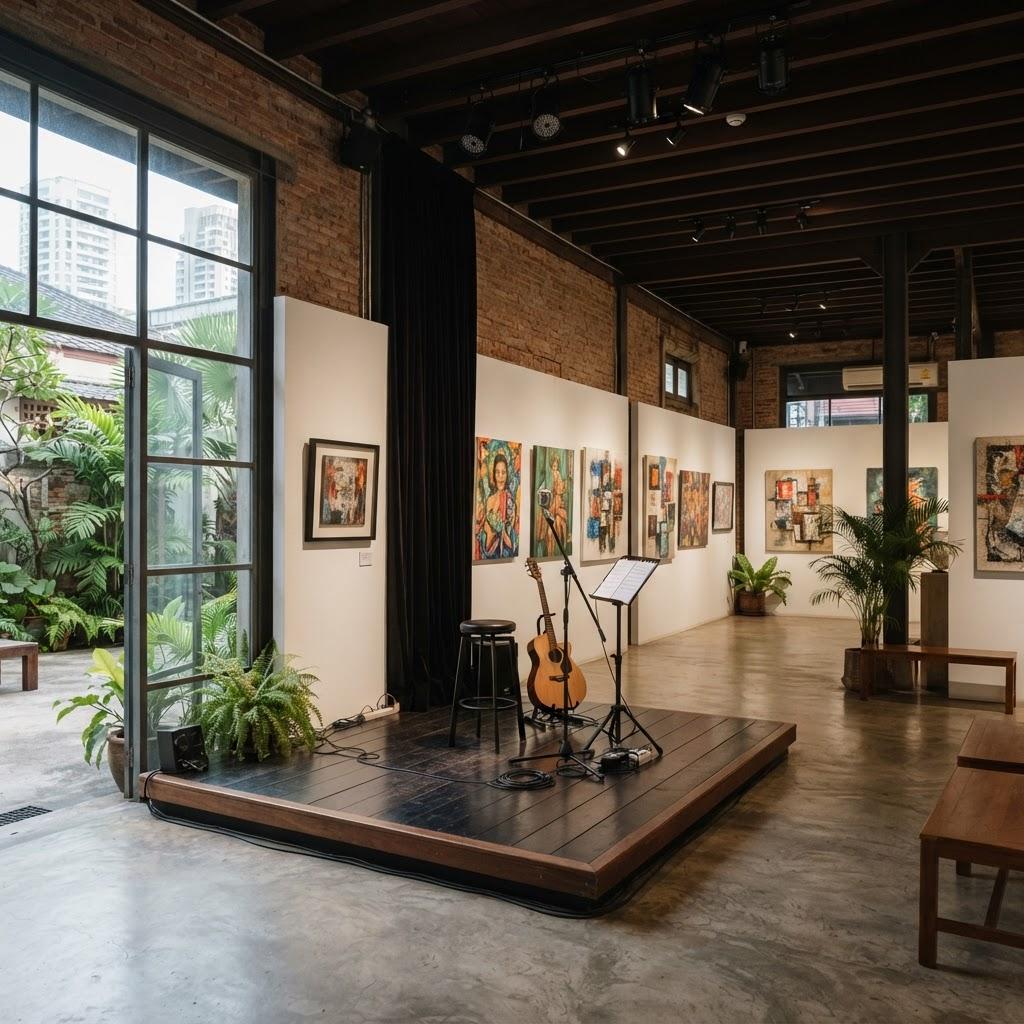
Bangkok’s cultural landscape is undergoing a deliberate transformation this July, as former industrial warehouses and colonial-era shophouses along the Chao Phraya River find new life as contemporary galleries and design studios. What began as a scattered movement of independent artists seeking affordable studio space has matured into a structured effort to preserve the architectural heritage of districts like Charoen Krung, effectively merging the city’s deep mercantile history with the modern demands of the creative economy.
The Shift Toward Heritage Revitalization
The pivot toward adaptive reuse in Bangkok marks a distinct departure from the rapid, high-rise development patterns that defined the city’s expansion during the late 20th century. In areas such as Talat Noi, organizations like the Creative Economy Agency (CEA) have begun cataloging and documenting traditional craftsmanship to integrate these aging structures into the city’s broader tourism and design strategies. This approach treats the city's built environment as a primary resource, rather than a commodity to be cleared for modern construction.
Visitors currently exploring the riverside districts can observe this transition firsthand at venues like the Warehouse 30 project or the historic Bangkok General Post Office, which now functions as a central hub for various design events and exhibitions. These spaces demonstrate how private investment and public planning have converged to support the local arts sector. The evolution of these neighborhoods is supported by data from the Bangkok Metropolitan Administration, which reported that the creative industries contributed a significant portion of the city’s economic output in recent years, drawing on a workforce focused on digital content, traditional handicraft, and architectural design.
Navigating the Evolving Cultural Corridor
The revitalization of these corridors has not come without challenges, particularly regarding the preservation of the community fabric that existed long before the current wave of galleries arrived. Efforts to sustain this growth include local programs that offer tax incentives for the restoration of historic shophouses in the Phra Nakhon district, ensuring that the visual character of the neighborhood remains intact. For those visiting today, the juxtaposition of mid-century aesthetics against modern installations provides a clear map of the city’s trajectory.
The path forward for these districts relies heavily on balancing foot traffic with the long-term needs of long-term residents. Observers of the local scene note that the sustainability of this model depends on the continued integration of local small-scale entrepreneurs into the larger commercial framework managed by organizations such as the Thailand Creative and Design Center (TCDC). For those planning to visit, the area remains most accessible by boat via the Chao Phraya Express Boat services, which stop near the primary galleries in the Sathorn and Bang Rak zones.