culture
Bangkok Artisans Build City's Creative Economy Beyond Tourism
From the quiet restoration of riverside shophouses to the sudden surge in independent vinyl pressings, the capital is moving beyond mass tourism to embrace a granular, maker-led economy.
How we reported this
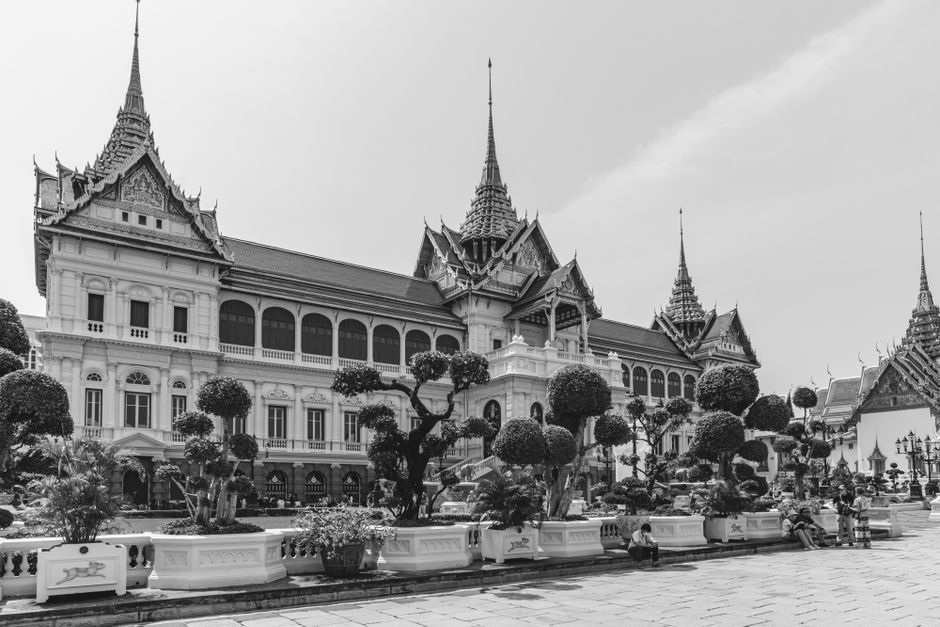
Saturday in Bangkok has outgrown the traditional morning markets. As of July 5, 2026, the city’s creative pulse is beating hardest in repurposed industrial zones and historic neighborhoods like Talat Noi, where a new generation of designers is reframing the city's relationship with its heritage. Instead of the usual retail sprawl, the weekend calendar is now dominated by small-scale workshops and localized showcases that prioritize technical craft over mass production.
The Reclaiming of Riverfront Spaces
The transformation of spaces like Warehouse 30 on Charoen Krung Road highlights this pivot toward deliberate creation. What were once derelict maritime storage units have become hubs for independent architects and interior designers, replacing the souvenir kiosks that long defined the riverside tourist corridors. Nearby, the creative collective at the Bangkok CityCity Gallery continues to host experimental exhibitions that move away from conventional Thai fine art tropes, focusing instead on digital media and urban social commentary. This shift is intentional, moving the city’s cultural identity away from passive consumption and toward a participatory creative economy.
According to the Thailand Creative and Design Center (TCDC) annual report for 2025, the local creative sector grew by 4.2 percent in value-added output, with the greatest concentration of new independent studios now located within a two-kilometer radius of the Phra Khanong and On Nut BTS stations. Rental prices for these studio-converted shophouses have climbed to an average of 35,000 baht per month, reflecting the high demand for spaces that allow for both workshop production and retail gallery potential. This density of creators in formerly overlooked residential corridors is forcing a shift in how Bangkok residents interact with their own geography.
New Cultural Landmarks in the Making
Today’s activity in the city is less about visiting landmarks and more about navigating these micro-economies. Visitors and residents alike are turning toward places like the industrial-chic vinyl shops in Ari or the independent publishing houses tucked into the backstreets of Khlong San. These venues provide more than just goods; they act as gathering points for a demographic that values localized knowledge and physical craft. This movement is fundamentally altering the city’s cultural identity by proving that even the most dense, transit-heavy urban centers can support boutique, non-franchised production.
For those looking to engage with this shift, the most authentic way to experience the city today is to move past the major shopping malls. Spend time exploring the Soi Nana area in Chinatown, where the transformation of centuries-old shopfronts into modular design studios is on full display. The district’s current trajectory suggests that the future of Bangkok’s cultural scene lies in the restoration of these forgotten corners rather than the construction of new mega-developments. Keep an eye on the TCDC event calendar for upcoming late-summer residency showcases, which often provide the best entry point for observing the work of these emerging local practitioners.