culture
Bangkok's Artisans Quietly Reshape City Culture Through Community Design
While international headlines focus on global volatility, Bangkok's artisan neighborhoods are quietly rewriting the city's cultural identity through adaptive reuse and community-led design.
How we reported this
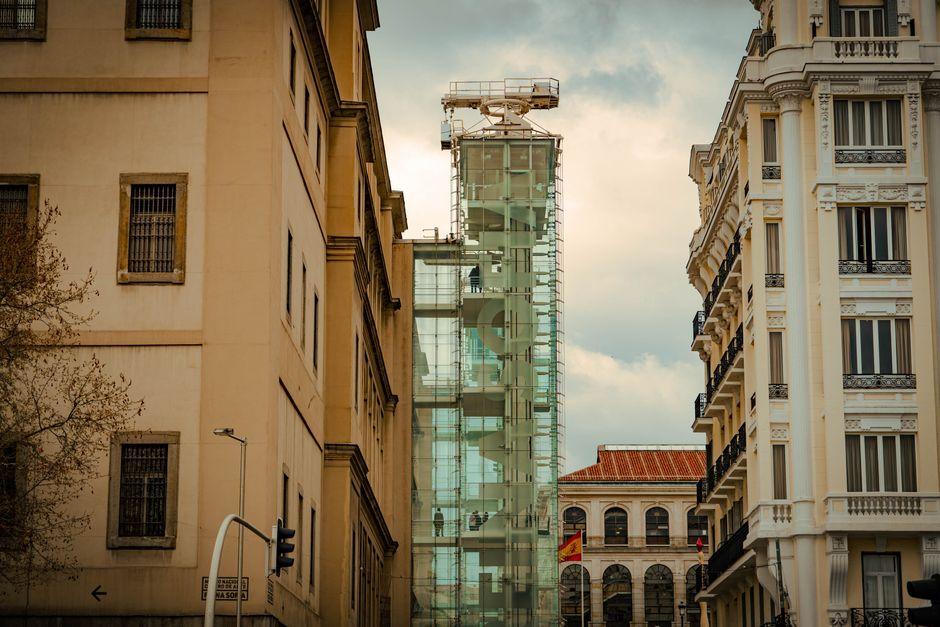
The sweltering heat of this July 5 afternoon has not slowed the pace of activity in Bangkok’s Talat Noi district, where a growing cohort of local designers is transforming decaying shophouses into hubs of contemporary craftsmanship. As the city moves past the mid-year mark, these micro-communities are shifting the focus of Bangkok’s cultural scene away from conventional malls and toward hyper-localized, legacy-conscious development.
The cultural pivot is fueled by a generational shift in how residents interact with urban history. Rather than clearing space for high-rise steel, a coalition of architects and former residents has prioritized the preservation of 19th-century infrastructure, turning formerly abandoned corridors into gallery spaces and communal workshops. This movement marks a departure from the rapid modernization that defined the city’s development throughout the 2010s, signaling a newfound appreciation for the architectural grain of old Siam.
From Industrial Roots to Modern Studios
At the center of this movement is the revitalization of the Soi Wanit 2 area. Spaces such as the Patina Bangkok cafe and the nearby Mother Roaster have become focal points for this trend. These venues do not merely offer coffee; they serve as living documentation of the Chinese-Thai migration history that formed the district. By maintaining original masonry and exposed timber beams, the operators have created an environment that feels disconnected from the neon-lit frenzy of the nearby Sukhumvit thoroughfare, grounding the city’s modern identity in its literal foundation.
According to the Bangkok Metropolitan Administration’s most recent urban planning report, there are currently over 140 registered historical sites undergoing private-sector revitalization projects within the Phra Nakhon and Samphanthawong districts. The economic commitment is tangible; individual renovation budgets for these heritage shophouses frequently exceed 5 million Thai Baht, as developers opt for expensive, non-invasive restoration techniques over traditional gut-renovations. The data confirms a 12 percent year-over-year increase in the footprint of independent, design-focused businesses in these specific historic zones.
Planning Your Visit
For those looking to engage with this movement today, a walk through the alleys of Talat Noi reveals the effort behind the aesthetic. Visitors should start at the Hong Sieng Kong courtyard, where the integration of river-facing architecture and modern exhibition space illustrates the balance between legacy and commercial viability. Many of these venues maintain varying hours; it is advised to check the latest schedules via the community-run social platforms or the Bangkok Design Week archives for upcoming workshops that offer deeper insight into the preservation techniques used by local architects.
If you find yourself in the area after sundown, the transition from workspace to social hub is near-instant. The narrow lanes remain the best vantage point for witnessing the intersection of long-time residents and the new wave of creative entrepreneurs. Access remains largely informal; keep to the pedestrian paths and respect the private residential boundaries that share the same walls as these growing public cultural venues.