culture
Bangkok Artisans and Planners Transform Historic Corridors This Weekend
A look at the artisans and urban planners breathing new life into the historic corridors of the Thai capital this weekend.
How we reported this
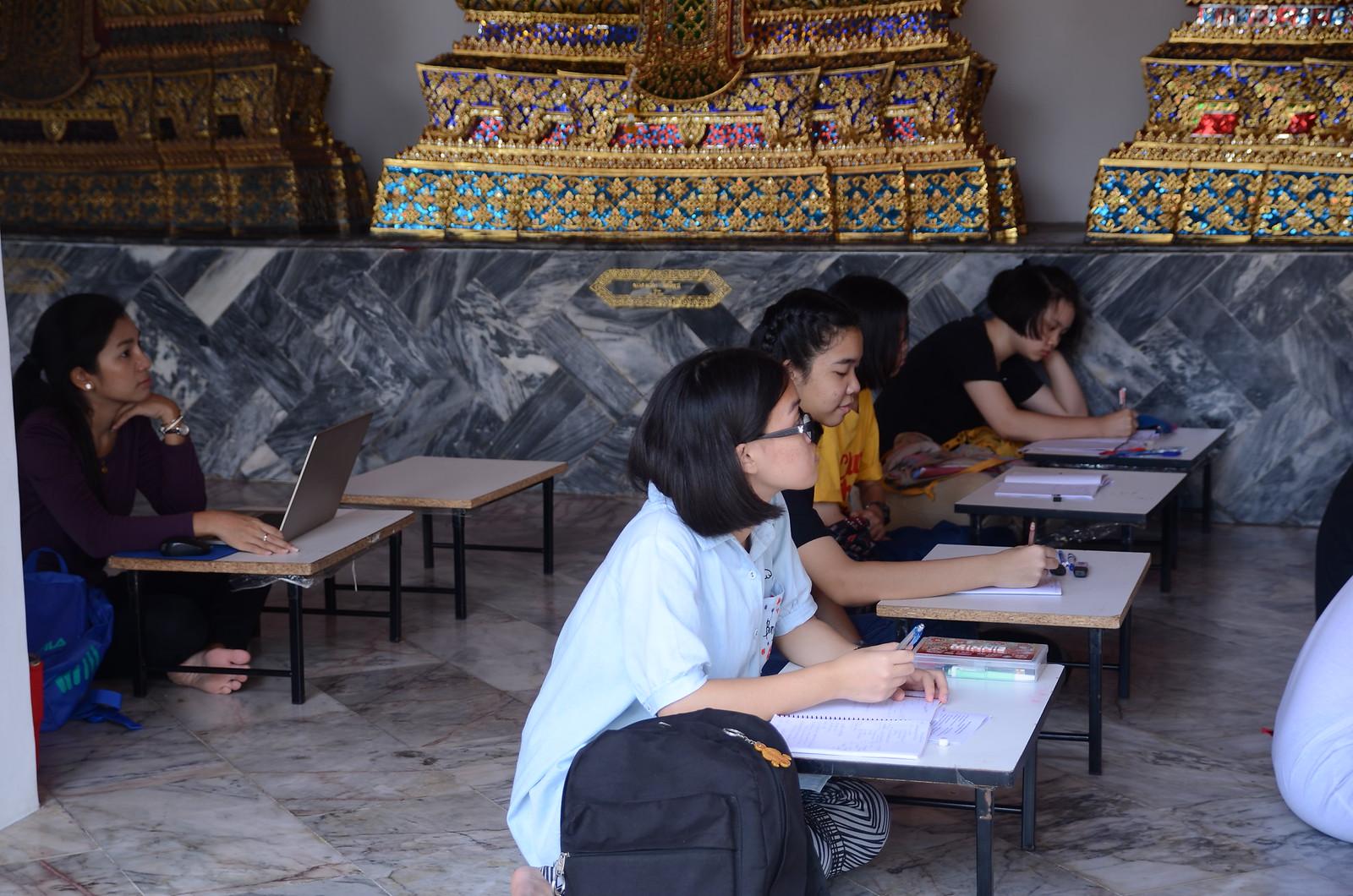
Bangkok’s cultural landscape is undergoing a deliberate shift as independent curators and local business owners pivot toward reclaiming heritage architecture. Across neighborhoods like Talat Noi and Charoen Krung, a cluster of grassroots initiatives has transformed derelict shophouses into thriving hubs for contemporary design and traditional craftsmanship. This weekend, the city marks a departure from its high-rise commercial focus, prioritizing the intersection of history and modern entrepreneurship.
This resurgence matters because it challenges the narrative of rapid, faceless urbanization that has long defined the city. By centering local stories and adaptive reuse, these organizers are creating spaces that function as cultural anchors rather than transient tourist attractions. The effort reflects a broader movement within Southeast Asian capitals to preserve identity in the face of intense economic pressure.
The Architects of the Neighborhood
The transformation is most visible at Warehouse 30 and the surrounding creative district in Charoen Krung. Entrepreneurs have worked to retain the industrial character of these structures, housing boutique studios alongside exhibition spaces that draw from the local community’s history. Down the narrow alleys of Talat Noi, the So Heng Tai Mansion remains a cornerstone, serving as a reminder of the area’s multi-ethnic history and its transition into a modern creative sanctuary. These spaces are not merely shopping venues; they are collaborative environments where local residents and artists engage in a dialogue about the future of the city’s architectural heritage.
The Economics of Preservation
Data from the Bangkok Metropolitan Administration suggests that tourism-related spending in these historic zones has shifted toward experiences that emphasize local authenticity rather than standard retail. For those exploring the area today, entrance fees for heritage-focused walking tours and specialized workshops typically range between 300 and 800 baht, depending on the scope of the program. Market reports from the mid-year fiscal review indicate that interest in the Charoen Krung creative zone has sustained consistent growth throughout the 2026 calendar year, bolstered by municipal support for micro-enterprises and local art collectives.
Visitors planning to experience the neighborhood this weekend should prioritize the afternoon hours when the temperature cools and the street-level activity in the alleyways begins to peak. Most independent workshops require prior booking through digital platforms favored by local guilds. As the city continues to integrate its past into its modern development, these corridors offer a rare glimpse into the people who are quietly reshaping the soul of Bangkok, one restored building at a time.