culture
Bangkok's Markets Transform From Street Trade to Luxury Urban Destinations
Bangkok’s weekend culture has pivoted from traditional trade to curated urban spaces, reflecting a city in constant motion.
How we reported this
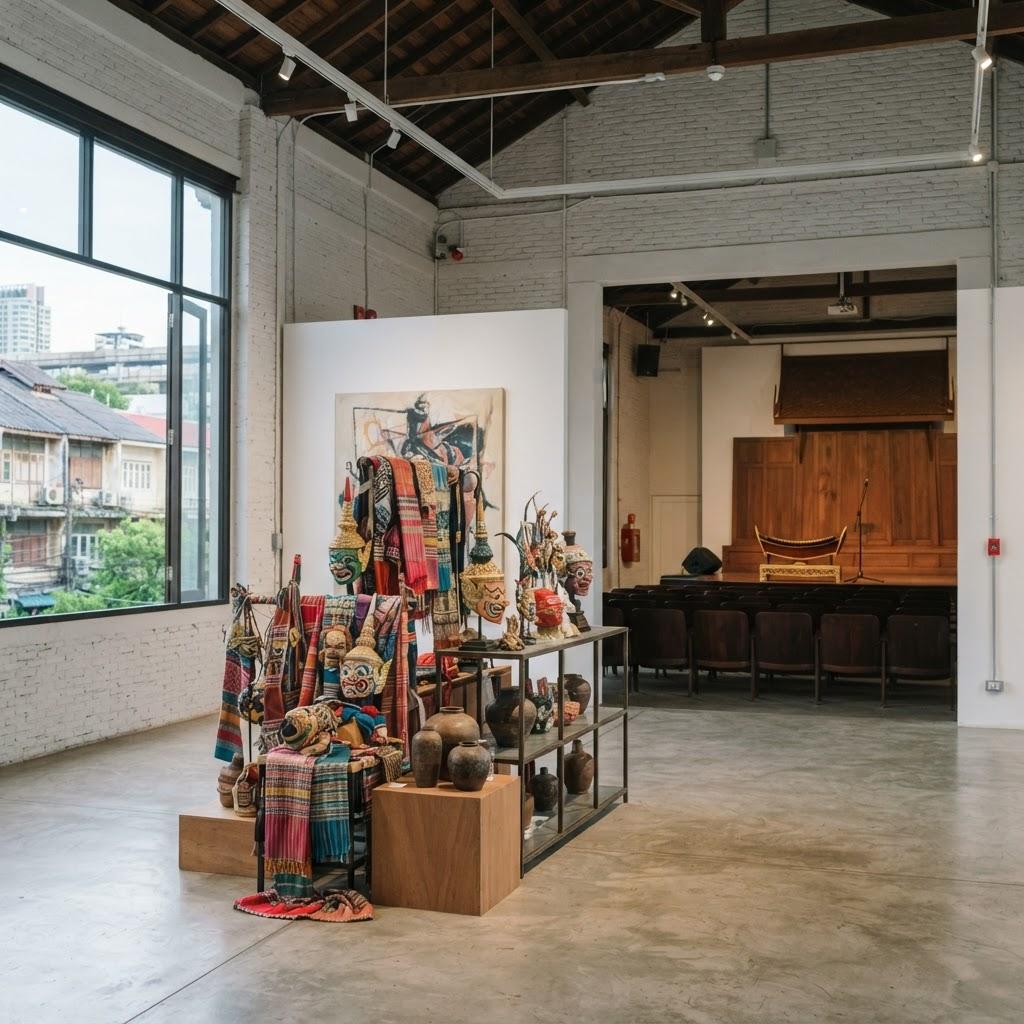
Saturday in Bangkok brings a familiar shift in rhythm as the city’s weekend economy reasserts its grip on local lifestyle. Today, July 5, 2026, marks another peak in the evolution of the capital’s recreational geography, moving away from the sprawling, unorganized street markets of the 1990s toward the highly curated, air-conditioned lifestyle hubs that now dominate the Sukhumvit and Ari corridors.
The Architecture of Urban Leisure
The transition is most visible in the physical transformation of the city’s shopping districts. Where once traders sold bulk produce on wooden stalls, contemporary venues like the EmSphere development, opened in late 2023, now define the visitor experience. This shift represents a broader pivot in Bangkok’s urban planning: the consolidation of social life into vertical, multi-use spaces that prioritize convenience and climate control over the gritty unpredictability of the open-air bazaar.
The cultural appetite has moved in tandem. A decade ago, a weekend excursion focused on the Chatuchak Weekend Market’s labyrinth of textiles and handicrafts. Today, the focus has shifted toward the creative industries occupying renovated shophouses in neighborhoods like Charoen Krung. These spaces, now managed by collective groups such as the Thailand Creative & Design Center (TCDC), serve as a testament to the city’s move toward high-value, design-led retail.
Economic Metrics of a Changing City
The numbers reflect this structural change. According to the Bangkok Metropolitan Administration’s 2025 Economic Report, revenue from modern commercial venues has grown by 14 percent compared to the 2020 fiscal baseline. Furthermore, the entry fee for premium exhibitions and pop-up cultural events in the Pathum Wan district now averages 350 Thai Baht, a significant increase from the nominal or free entry models that governed local markets fifteen years ago. Inflation and the rise of the digital-nomad demographic have helped anchor these higher price points, shifting the baseline for what residents expect from a weekend activity.
For those looking to navigate the city today, the evolution of these districts offers a dual reality. While the polished, high-tech malls of the Phrom Phong area provide reliable comfort during the humid rainy season, the historical core around the Phra Nakhon district still struggles to retain its traditional merchant base. As modern infrastructure continues to reshape the landscape, the best strategy for the weekend visitor is to split the day: spend the morning hours navigating the established galleries of the riverside art scene before seeking refuge in the temperature-controlled retail blocks that define modern Bangkok’s economic engine.