culture
Bangkok's Social Scene Transforms: From Riverside Markets to Rooftop Bars
As Bangkok marks the midway point of 2026, the city's social landscape reflects a century-long shift from traditional canal-side hubs to high-altitude nightlife.
How we reported this
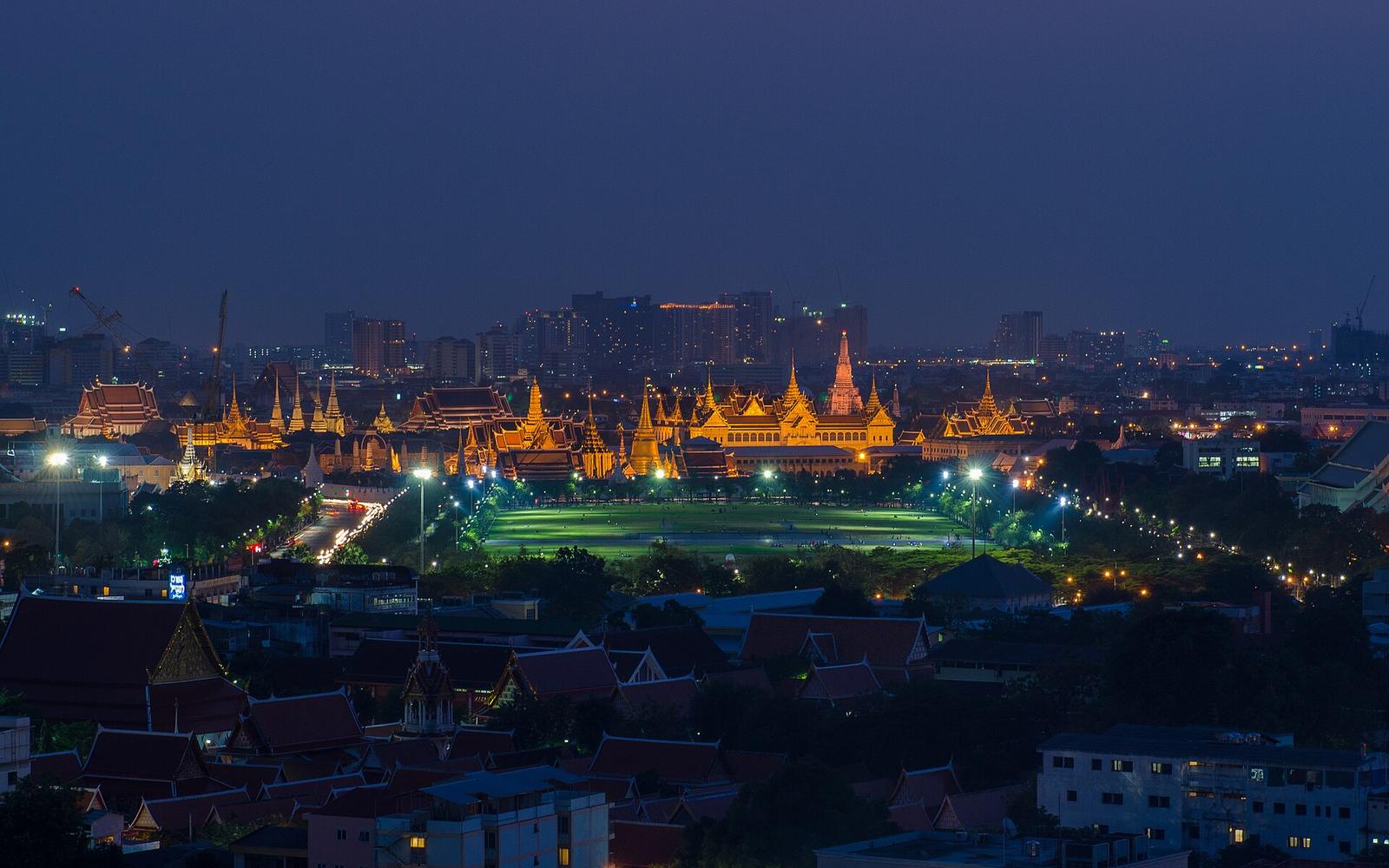
Bangkok residents and visitors are navigating a transformed urban map this weekend, as the city’s social life settles into a new equilibrium of high-end verticality and traditional street-level grit. While the capital has long been defined by its proximity to the Chao Phraya River, the contemporary scene is increasingly dominated by the integrated developments clustered around the BTS Skytrain and MRT subway corridors.
The Shift to the Skyline
The city's evolution can be traced through its changing geography of leisure. Historically, the social heart of Bangkok beat near the river docks of Bang Rak and the early trading hubs of Yaowarat. Today, the center of gravity has moved toward the Sukhumvit and Sathorn districts. The growth of the hospitality industry has seen iconic landmarks like the Neilson Hays Library, established in 1869, remain as historical anchors, while modern venues such as the Tichuca Rooftop Bar in Thong Lo represent the city's current appetite for elevated experiences.
Data from the Bangkok Metropolitan Administration indicates a significant shift in commercial zoning laws over the last decade, allowing for greater density in mixed-use developments. According to the 2025 Tourism and Sports Ministry report, the average daily expenditure for international visitors in Bangkok reached 5,800 Thai Baht, a figure heavily influenced by the rise of luxury lifestyle tourism in the central business district. This influx of capital has transformed neighborhoods like Ari and Phra Khanong from quiet residential enclaves into bustling corridors of independent cafes and creative spaces.
Preserving the Street-Level Soul
Despite the push toward modernization, the city remains tethered to its roots. Organizations like the Bangkok Art and Culture Centre (BACC) on Rama I Road serve as a bridge between these eras, hosting exhibits that highlight the intersection of urban development and traditional Thai heritage. On weekends, the juxtaposition is clearest: visitors might spend the morning navigating the historic stalls of the Khlong Toei Market and the evening in a climate-controlled lounge in Lumphini.
For those looking to explore this evolution firsthand today, the best approach is to bridge the two worlds. Start your afternoon with a walk through the revitalized heritage district near Charoen Krung Road, where centuries-old shophouses are being repurposed as contemporary art galleries. As the sun sets, transition toward the Pathum Wan district to witness the city's architectural pivot. Public transport remains the most efficient way to navigate these disparate hubs, with the BTS Sukhumvit Line connecting the old city’s peripheral points to the new high-altitude centers of gravity in under 30 minutes.