culture
Bangkok's Weekend Culture Transforms From 1980s Markets to 2026 Creative Hubs
From the quiet markets of the 1980s to the sprawling creative hubs of 2026, the city’s weekend rhythm has undergone a transformation as radical as the skyline itself.
How we reported this
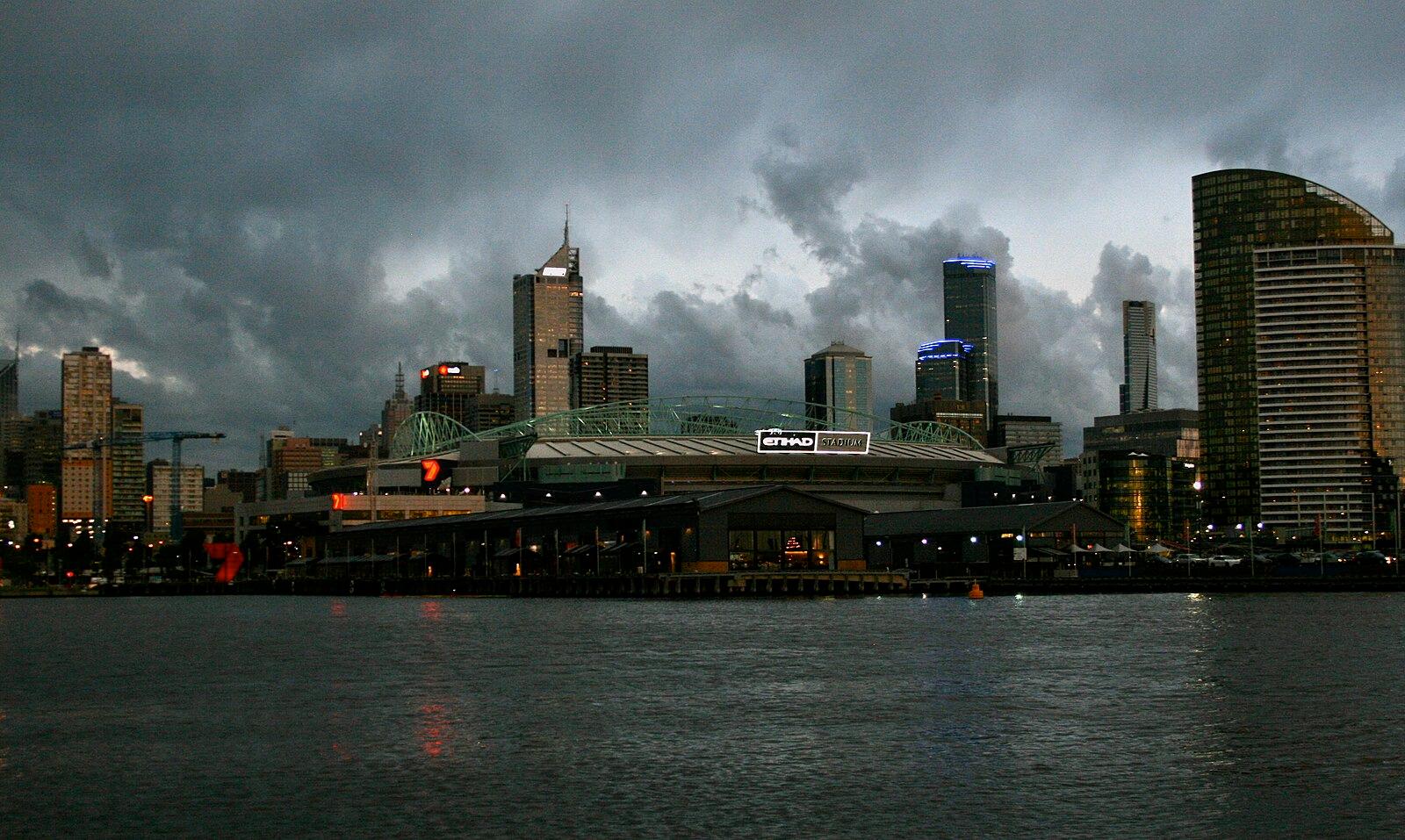
Bangkok’s weekend energy shifts tonight toward the Creative District along Charoen Krung Road, where a series of open-studio events and gallery pop-ups mark the latest iteration of the city's shifting cultural calendar. While the capital’s nightlife was once defined by the fragmented pockets of Sukhumvit and Patpong, the contemporary landscape now centers on the repurposed industrial warehouses that define the city's evolving urban identity.
The Transition from Traditional to Contemporary
The transformation of these spaces reflects a broader shift in how the city consumes art and leisure. In the mid-1990s, weekend social life remained tethered to rigid commercial plazas like the original World Trade Center site at Ratchaprasong. Today, the focus has pivoted toward grassroots organizations like the Bangkok Art and Culture Centre (BACC) and independent collectives operating out of Talat Noi. According to the 2026 City Planning Bureau report, the concentration of creative enterprises in the Khlong San and Bang Rak districts has increased by 14 percent over the last five years, moving the center of gravity away from traditional retail corridors.
A New Economic Rhythm
Economic indicators suggest that this decentralization is intentional. Data published in the 2026 Thai Chamber of Commerce quarterly outlook notes that average spending per household on weekend "experience-based" activities-such as craft markets and niche music showcases-has risen to 1,200 THB per outing, compared to 850 THB in the 2018 fiscal year. This shift has enabled venues like Warehouse 30 to transition from dormant storage facilities into essential weekend anchor points for local artisans and tech-forward startups.
For those navigating the city this weekend, the evolution is visible in the physical architecture. Where mid-century developments favored walled-off, air-conditioned isolation, current projects like the ongoing renovations near the Chao Phraya River emphasize permeability and public-facing gallery spaces. To catch the current wave, visitors should look toward the Soi Nana side streets in Chinatown, where several new, small-scale vinyl bars and digital art projections are operating through Sunday night. Expect higher traffic near the Saphan Taksin BTS station; planners advise using the river ferry as an alternative to road transport, given the recurring construction projects currently impacting traffic flow on Charoen Krung Road.