culture
Bangkok's Emerging Chefs Blend Chinese Migration, Street Food, Regional Flavors
New voices in Bangkok kitchens draw from the city's established traditions of Chinese migration influences, street food scale, flavor balance and multi-regional synthesis.
How we reported this
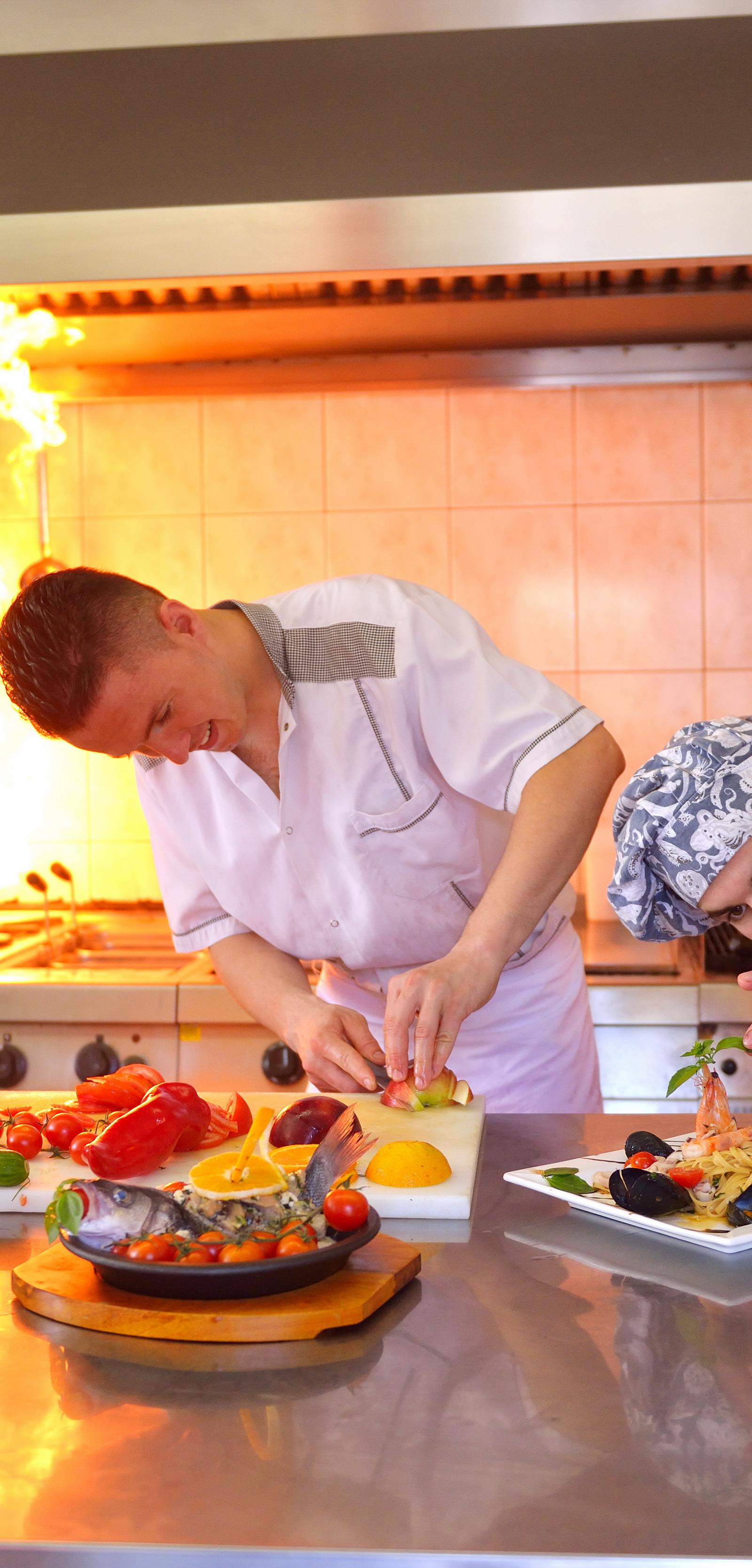
Bangkok's food identity stems from 18th-19th century Chinese migration, which introduced stir-frying and deep-frying techniques that blended with Thai flavors. These techniques remain central as emerging talent explores fresh applications while respecting the original blend.
Origins in Yaowarat and Street Food Scale
Modern Thai street food originated in Yaowarat, where Chinese immigrants established permanent stalls in the late 1800s offering stir-fried noodles, soups and grilled meats. Street food continues as Bangkok's primary dining system across all economic classes, with approximately 422,000 vendors valued at 180 million baht in 2021. This network allows residents to eat multiple small portions throughout the day and supplies the daily canvas on which newer cooks test ideas.
Traditional Dining Practices
Traditional Thai dining emphasizes sharing meals socially, balancing four core flavors-salty, spicy, sweet and sour-in every dish, and eating bite-sized portions with a spoon and fork rather than chopsticks. Emerging cooks reference these practices when creating menus that maintain the social and sensory structure while introducing their own combinations.
Regional and External Influences
Bangkok synthesizes Thailand's four regional cuisines-Central, Northern, Northeastern (Isan) and Southern-along with profound influences from Indian, Malay, Portuguese and European culinary traditions. Talent currently developing in the city often works across these layers, drawing ingredients and methods from each source without altering the underlying framework.
The same historical elements that shaped Bangkok food continue to guide the next generation of cooks and vendors. Rather than replacing established systems, new voices adapt stir-frying methods from Yaowarat stalls, maintain the four-flavor balance in shared plates and incorporate regional and external influences into daily offerings. Observers can follow this continuity by visiting stalls in Yaowarat and sampling small shared dishes that reflect the documented vendor network and flavor principles.