lifestyle
Bangkok's Food Scene Comes Alive Through Its People and Their Stories
From street vendors in Chinatown to chefs in Chatuchak, the human faces behind Bangkok’s diverse local cuisine reveal the city's rich culinary tapestry.
How we reported this
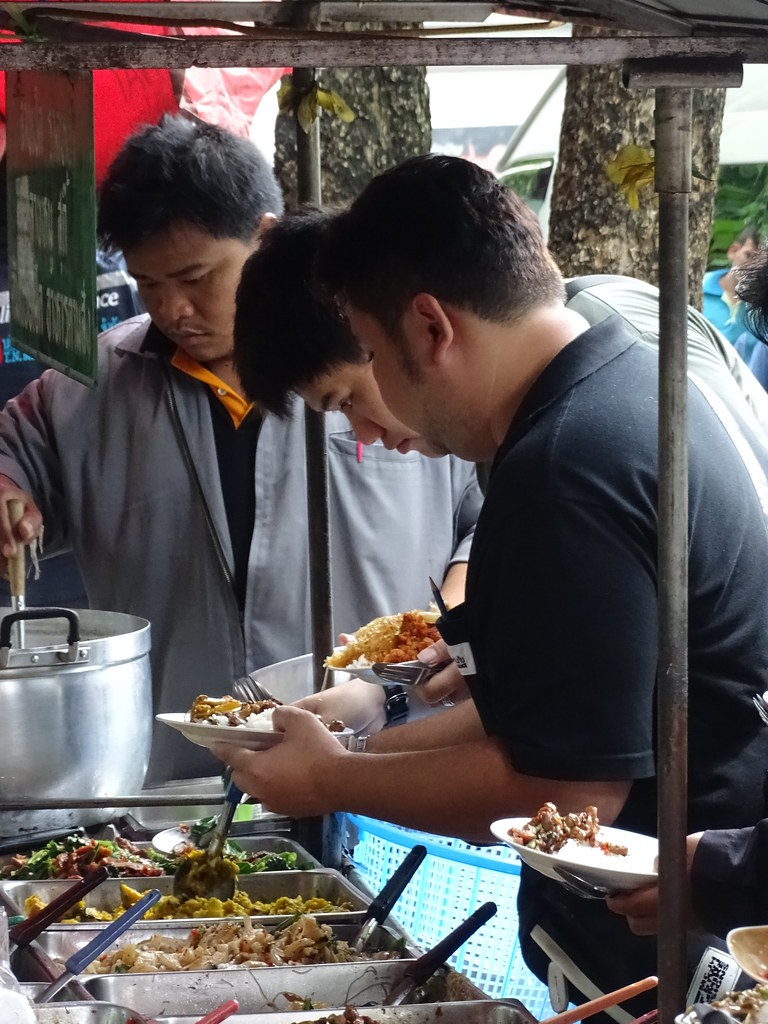
Walking through Yaowarat Road, Bangkok’s Chinatown, offers more than just a feast for the senses-it’s a journey into the lives of the people who have shaped the city’s food culture. Here, decades-old eateries and street food stalls reveal personal histories as flavorful as the dishes they serve.
This spotlight on Bangkok’s food culture is especially timely as the city continues to attract both tourists and locals eager to explore authentic tastes beyond the polished restaurant scene. With the rapid transformation of neighborhoods and changing consumer habits, many culinary artisans are stepping forward to share not just their recipes but their stories, preserving traditions while innovating in a bustling metropolis.
Faces Behind The Flavors
Take Lek Seafood on Charoen Krung Road, established in 1957. It’s still run by the founder’s grandchildren, who prepare signature dishes like grilled river prawns and spicy seafood salad using original family recipes. The blend of memoir and menu offers diners a tangible link to Bangkok’s past. Meanwhile, in the Chatuchak district, the community initiative “Food Roots Bangkok” has started hosting monthly meet-ups where local food producers and chefs come together to talk about their craft, sharing how their backgrounds influence their cooking styles.
The significance of these human stories is reflected in emerging food tours and culinary workshops. For example, Rak Na Khon, an eatery on Soi Ari, highlights not only traditional Isan dishes but also the journey of its owner who migrated from northeastern Thailand to Bangkok in the 1980s. Such places personalize what is often categorized broadly as “Thai cuisine,” emphasizing individual heritage within the city’s culinary mosaic.
Numbers Tell a Growing Appetite
According to the Bangkok Metropolitan Administration’s 2025 Food Economy Report, local food stalls and small eateries have grown by 18% over the past three years, with over 40,000 vendors officially registered across the city. The average price for street food items ranges from 30 to 80 baht, making them accessible to a broad demographic. This growth reflects a rising appreciation for casual, story-rich dining experiences accompanied by a desire to support family-run businesses amid increasing competition from international food chains.
As Bangkok’s landscape evolves, these food vendors and small restaurateurs represent a vital cultural thread, preserving culinary heritage through personal narratives and recipes passed down through generations.
For those looking to experience Bangkok’s food culture beyond the flavors, guided food tours focusing on storytelling, such as those offered by Bangkok Culinary Trails, provide a chance to meet the cooks, hear their stories, and understand the city’s social fabric through its food. Exploring neighbourhoods like Talad Noi and Bang Rak on foot can also reveal hidden gems where locals eat and share their food legacies.
In the coming months, with the return of the annual Bangkok Food Festival this November, expect even more emphasis on the people who make the city's diverse culinary scene so special. Supporting these ventures-whether by visiting long-standing family stalls or joining community-led food events-helps keep Bangkok’s food heritage alive and thriving in the face of rapid urban change.