lifestyle
Bangkok's Street Markets and Temples Shape Parenting Differently Than Global Cities
Daily routines in the Thai capital blend commerce, faith and open-air play in patterns that set local families apart from those in denser or more regulated metros.
How we reported this
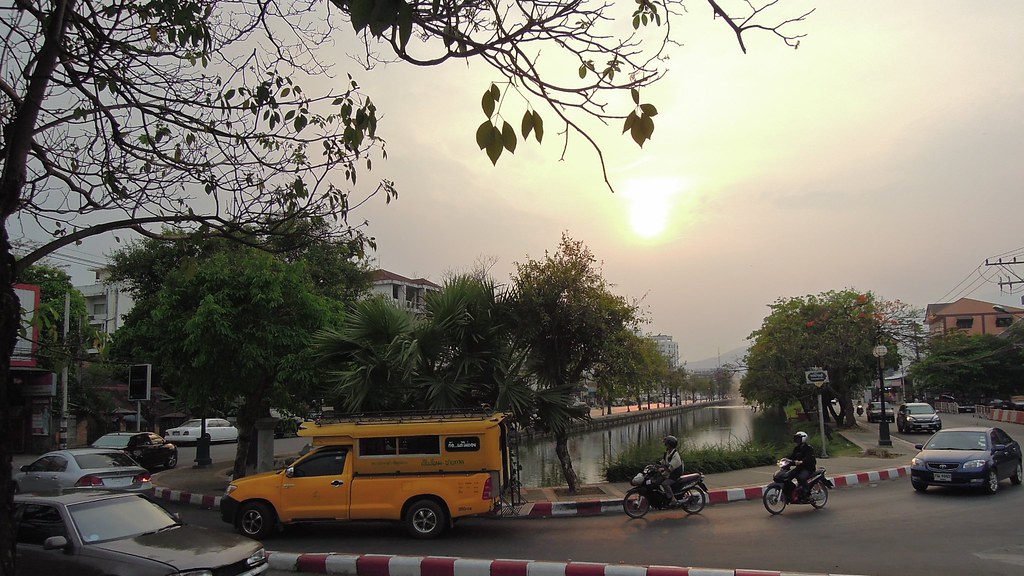
Bangkok parents gain daily access to mixed-use public spaces that combine fresh-food markets, temple grounds and shaded playgrounds within a single short walk or ferry ride.
Global cities have grown more expensive and segmented since 2024, pushing families toward isolated indoor routines, yet Bangkok still keeps many children outside for several hours each day through its network of 24-hour wet markets and weekend temple fairs.
Market mornings in Chatuchak and Benjakitti
Every Saturday before 9 a.m., parents push strollers through the northern lanes of Chatuchak Weekend Market where vendors sell mangoes at 40 baht a kilo and children learn to count change. Two kilometres east, Benjakitti Park offers free morning yoga sessions for toddlers on the grass beside the lake, run by the Bangkok Metropolitan Administration since 2023.
These two sites sit on the same Skytrain corridor, letting families move from shopping to play without a car. In contrast, many parents in Tokyo or New York must book paid indoor facilities weeks ahead.
Cost data and enrolment dates
A 2025 survey by the National Statistical Office found Bangkok households with children under 12 spent an average 18,400 baht a month on food eaten outside the home, lower than the 32,000 baht recorded for equivalent families in Singapore. International school fees at institutions along Sukhumvit Road start at 480,000 baht a year, but many parents offset costs by using free after-school language classes at Wat Pathum Wanaram, which began accepting 50 new three-to-six-year-olds on 1 August 2025.
Enrolment for the next term at the temple program closes 15 July. Parents who miss the date can still join weekend craft sessions at the nearby Bangkok Art and Culture Centre on Phaya Thai Road, where materials cost 150 baht per child.
Residents planning to raise children here should map a weekly loop that includes one market visit, one temple fair and one park session. The combination keeps costs down and keeps children moving through the city rather than between air-conditioned rooms.