news
Bangkok's Budget Crunch: The Numbers Driving the Capital's Most Contested Development Decisions
A closer look at the figures behind Bangkok Metropolitan Administration spending reveals a city stretched thin even as record tourist arrivals flood its streets.
How we reported this
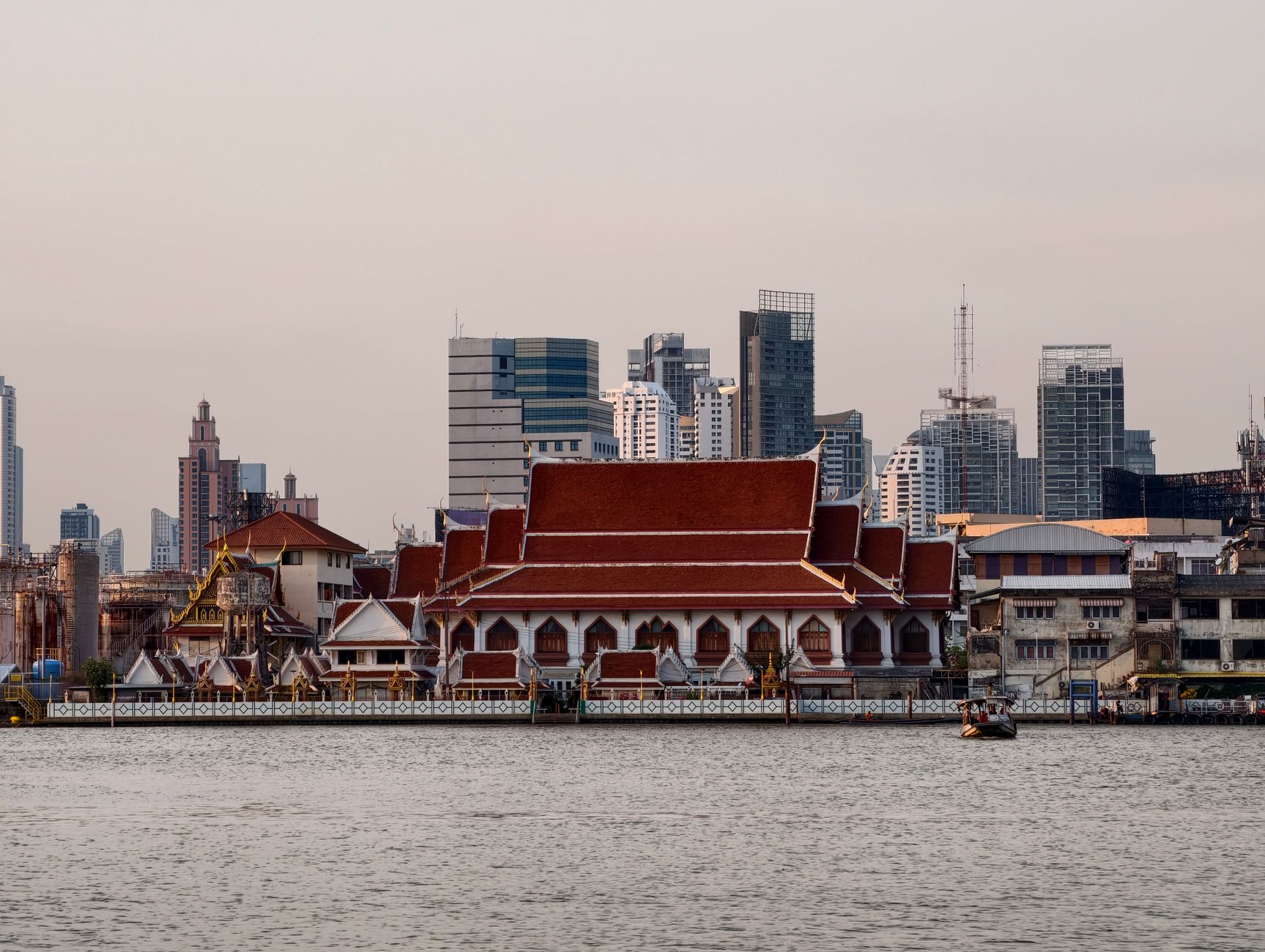
Bangkok Metropolitan Administration approved a fiscal 2026 budget of 84.9 billion baht in October last year, the largest in the BMA's history. Six months into the spending cycle, internal documents and council session records show that roughly 31 percent of capital expenditure line items remain untendered, a backlog that is quietly throttling infrastructure work from Lat Phrao to the Chao Phraya waterfront.
The timing matters because the city is simultaneously managing two competing pressures: a tourism industry that drew 23.4 million international arrivals through Suvarnabhumi and Don Mueang airports in the first five months of 2026, and a heritage and planning row that has stalled construction permits in Rattanakosin Island, the old royal quarter where more than 60 proposed high-rise projects sit in regulatory limbo. Neither problem is new, but the BMA's own finance department data, tabled at the June 25 council session, makes the scale of the paralysis hard to ignore.
Where the Money Is, and Isn't, Moving
Transport gets the single largest slice: 18.2 billion baht, or about 21 percent of the total budget, covering road maintenance, canal-ferry subsidies and the ongoing Khlong Phadung Krung Kasem embankment walkway project in Phra Nakhon district. But tender awards for that walkway, budgeted at 1.4 billion baht, were delayed twice this year. The most recent deadline, set for April 30, passed without a contractor announcement. The BMA cited specification revisions following community objections over flood-barrier height along the canal's eastern bank.
The Drainage and Sewerage Department tells a similar story. Bangkok recorded 47 significant flood incidents between January and May 2026, up from 38 in the same period in 2025, yet only 14 of 33 approved drainage upgrade contracts in the Din Daeng and Bang Sue districts have reached the construction phase. The gap reflects a procurement system that still averages 94 days from budget approval to contract signing, according to the BMA's own performance audit released in May.
Meanwhile, district offices are under pressure from a different direction. The Bangkok Metropolitan Administration's Decentralisation Plan, adopted under the Pheu Thai government's urban governance push, transferred an additional 2.1 billion baht in discretionary spending to the 50 district offices beginning January 1. Chatuchak and Watthana districts, which together cover some of the city's densest digital-nomad and commercial zones around Ari and Thong Lo, absorbed the largest per-capita allocations. Yet auditors found that as of May 31, Watthana district had committed just 38 percent of its discretionary envelope, largely because the district office lacks the engineering staff to process contractor bids.
Tourist Revenue, Local Costs
The revenue side of the ledger looks better on paper. Hotel-occupancy tax receipts remitted to the BMA reached 3.8 billion baht in the January-to-May period, a 22 percent increase year-on-year, driven by Sukhumvit corridor hotels running at an average 81 percent occupancy. But that money flows into the general fund, not ring-fenced infrastructure accounts, meaning a district like Phra Khanong, which bears the pedestrian and waste-management load of the Ekkamai backpacker strip, sees little direct benefit.
City council member groups aligned with both Pheu Thai and the dissolved Move Forward successor bloc have separately proposed a hypothecation mechanism that would direct 15 percent of tourism-related tax receipts to the districts generating them. The proposal has been referred to the BMA Finance Committee three times since February without a vote.
For residents and business operators watching construction timelines slip, the most actionable number may be this: the BMA's own target calls for 80 percent of fiscal-year capital budgets to be tendered by September 30. At the current pace, that benchmark looks difficult. The next full council budget review session is scheduled for August 12, and that meeting will likely determine whether the BMA requests a supplementary spending authorization before the October budget cycle resets. Contractors, district offices and community groups from Rattanakosin to Lat Phrao have reason to mark the date.