news
Bangkok Schools Are Cooling Down Classrooms, But Falling Behind Singapore and Seoul on the Bigger Fix
As heat and learning loss collide, Thailand's capital is patching problems that rival cities solved years ago.
How we reported this
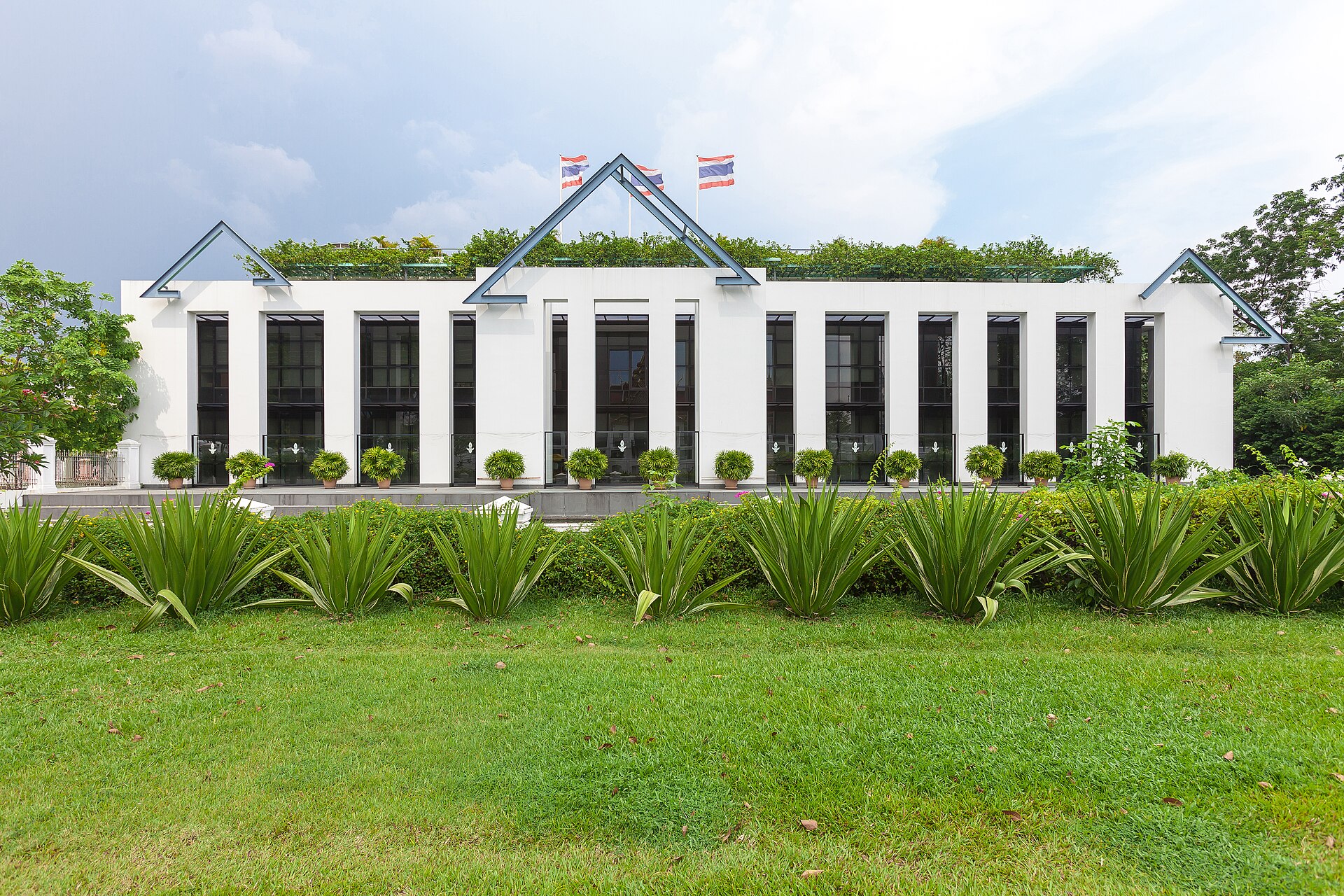
Bangkok's public schools logged 47 early closures due to extreme heat between March and June this year, according to figures from the Bangkok Metropolitan Administration released last week, a record that puts the city's education infrastructure under uncomfortable scrutiny at a moment when the rest of Southeast Asia is watching closely.
The closures matter because they expose something deeper than a broken air-conditioning unit. Thailand's post-pandemic learning gap never fully closed. The Office of the Basic Education Commission reported in January 2026 that average reading scores among Pratom 6 students, roughly equivalent to sixth grade, remained 11 percent below 2019 benchmarks. With the school calendar already squeezed by Songkran holidays and the mid-year administrative shuffle that followed last year's curriculum reform, losing nearly seven weeks of instruction to heat warnings is not a minor inconvenience.
What Bangkok Is Actually Doing
The BMA announced in May a 1.2-billion-baht package to retrofit cooling systems in 437 government schools across the city, with Wat Ratchabophit School in Phra Nakhon district and Assumption College's community-adjacent primary annex in Bang Rak both cited as pilot sites for the first phase of installations. The programme targets completion by the start of the 2027 academic year. Separately, Chulalongkorn University's Faculty of Education launched a hybrid instruction framework in June called Flex-Learn BKK, designed to shift up to 30 percent of lessons online during heat alerts without triggering an official school closure, meaning students keep their attendance records clean and teachers keep their pay.
Those are real steps. But compare them with what Kuala Lumpur embedded into its Smart School Roadmap back in 2023, or how Seoul's Metropolitan Office of Education deployed subsidised broadband and tablet programmes to all 600,000 of its public primary students by 2024, and Bangkok's efforts look reactive rather than structural. Singapore's Ministry of Education completed a full air-conditioning rollout across all 350 government schools in 2021 at a cost of SGD 980 million, roughly 26 billion baht, and paired it with a national digital literacy curriculum that now runs from Primary 1. Bangkok is still debating whether to make coding classes compulsory at secondary level.
The Private School Divide Is Getting Harder to Ignore
Walk down Sukhumvit Road between Asok and Thong Lo and the contrast is visible in the architecture alone. International schools in that corridor, NIST International School on Sukhumvit 15, Bangkok Patana School out in On Nut, run year-round climate control, dedicated mental health counsellors and learning management platforms that survived the pandemic without a blip. Annual fees at those institutions run from 550,000 baht to over 900,000 baht, placing them entirely out of reach for the families whose children attend the BMA schools sweating through March afternoons in Lat Krabang or Min Buri.
That gap is not unique to Bangkok, Jakarta and Ho Chi Minh City show similar fractures, but Bangkok's digital nomad economy and its record tourism numbers, which hit 38.2 million international arrivals in 2025, create a particular political pressure. The city markets itself as a knowledge economy hub. The Paetongtarn government has talked repeatedly about upgrading Thailand's human capital as part of its economic platform. Educators in the government school system point out that talk and the 1.2-billion-baht cooling package are not the same thing as a plan.
The next concrete test comes in August, when the BMA's education committee is scheduled to vote on whether to extend the Flex-Learn BKK pilot from 12 schools to all 437 in the retrofit programme. If that vote passes and the hybrid model holds through the second semester, Bangkok will at least have a replicable framework. If the vote stalls, as similar proposals did in 2023 and 2024, parents in Chatuchak and Prawet districts will face another long hot school year with the same improvised fixes: electric fans, staggered lunch breaks and the occasional early bell.