news
Bangkok's Transport Buildout by the Numbers: The Figures Driving the City's Biggest Infrastructure Decade
From Sukhumvit to the outer ring roads, the capital's rail, road and river projects are generating a spending wave that will reshape daily life for millions, and the statistics tell a story of both ambition and delay.
How we reported this
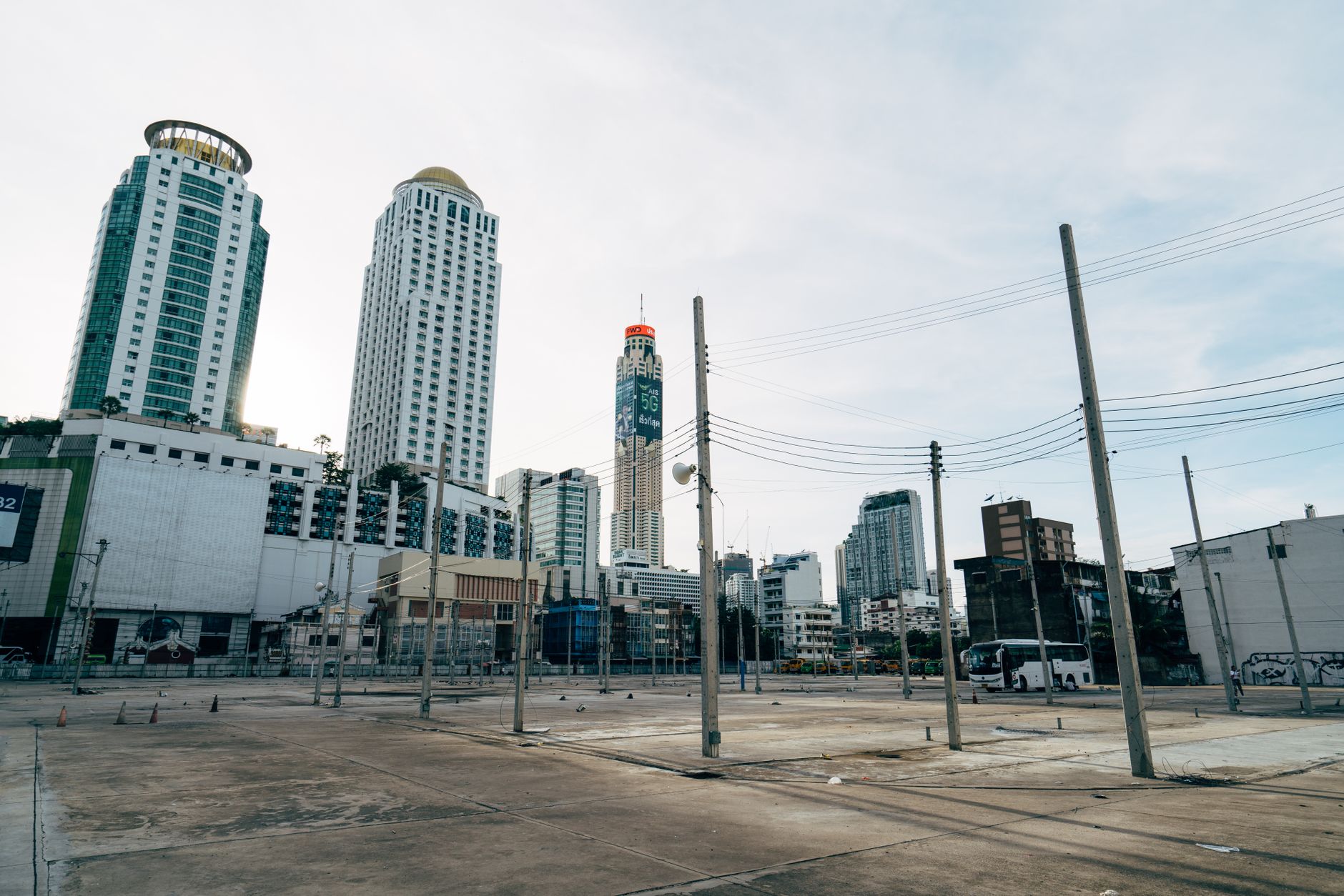
Bangkok's Mass Rapid Transit Authority has confirmed that the capital now operates 244 kilometres of urban rail across five active lines, making the network the largest in Southeast Asia by route length, though still well short of what city planners say is needed to shift commuters away from the gridlocked surface roads that cost the economy an estimated 120 billion baht annually in lost productivity.
That gap between what exists and what the city requires explains why the Paetongtarn Shinawatra government has moved infrastructure spending to the centre of its budget priorities for fiscal year 2026-27. Cabinet approved a 78.5-billion-baht transport allocation in April, with the largest single chunk, 31 billion baht, earmarked for the extension of the Orange Line from Thailand Cultural Centre station east to Minburi, a corridor that currently has no rail service despite housing roughly 800,000 residents across the Lat Krabang and Khlong Sam Wa districts.
The Rail Extensions That Will Define the Next Five Years
Three extensions are now under simultaneous construction, which the State Railway of Thailand and the Bangkok Metropolitan Administration have not managed before at this scale. The Pink Line's northern spur toward Pak Kret is 68 percent complete as of June, according to the Expressway and Rapid Transit Authority of Thailand. The Yellow Line, which opened its full 30.4-kilometre run between Lat Phrao and Samrong in 2023, is already carrying 85,000 passengers daily, about 40 percent above its first-year forecast. And the Red Line suburban commuter service, which connects Bang Sue Grand Station to Rangsit in Pathum Thani province, is struggling at the other extreme: average daily ridership sits at 28,000, roughly a fifth of the 140,000 that project documents projected by 2025.
The Red Line figure is a problem the government cannot easily ignore. Bang Sue Grand Station cost approximately 35 billion baht to build and opened in 2021 as the largest rail terminal in Southeast Asia by floor area, at 300,000 square metres. Feeder bus routes from the station into surrounding Chatuchak, Ladprao and Wong Sawang neighbourhoods were promised at opening and remain patchy three years later, which transport analysts say directly explains the weak ridership numbers. The BMA's last published count showed 14 feeder bus routes serving the station against an original plan of 32.
The Chao Phraya and Road Numbers Few People Discuss
Rail dominates headlines, but two other infrastructure streams are moving large sums of public money with less scrutiny. The Chao Phraya River ferry system, operated partly under the Chao Phraya Express Boat Company and partly under a BMA subsidy contract, carries 60,000 passengers per day on its busiest routes between Nonthaburi pier in the north and Wat Rajsingkorn in the south. The BMA allocated 480 million baht in the current budget year to upgrade 11 piers along the central corridor and add six electric vessels by December 2026, under a programme called the Green River Fleet Initiative.
Meanwhile the Department of Highways is finalising a 19-billion-baht widening of the outer ring road between Bang Phli in Samut Prakan and Bang Bua Thong in Nonthaburi, a 63-kilometre stretch that handles an average of 220,000 vehicle movements per day, a volume the department says exceeds design capacity by 35 percent during morning and evening peaks. Tender documents show construction is scheduled to begin in the first quarter of 2027, though procurement timelines on comparable projects have historically slipped by six to eighteen months.
For residents and commuters, the practical implication is straightforward: the network will look substantially different by 2028, but the years between now and then demand patience and workarounds. The MRTA's journey-planning app, launched in March 2026, now integrates rail, BMA bus and river ferry timetables in a single interface, a small but real improvement for navigating a city mid-construction. Commuters along the Sukhumvit corridor and in the Ratchadaphisek district, where three lines intersect, will see the most immediate benefits. Everyone else is waiting on the numbers to catch up with the promises.