news
Chao Phraya Riverfront Development: Bangkok Residents Not Consulted
Bangkok's 4.2-billion-baht Chao Phraya riverside regeneration displaces generations-old communities in Khlong San without prior consultation from BMA authorities.
How we reported this
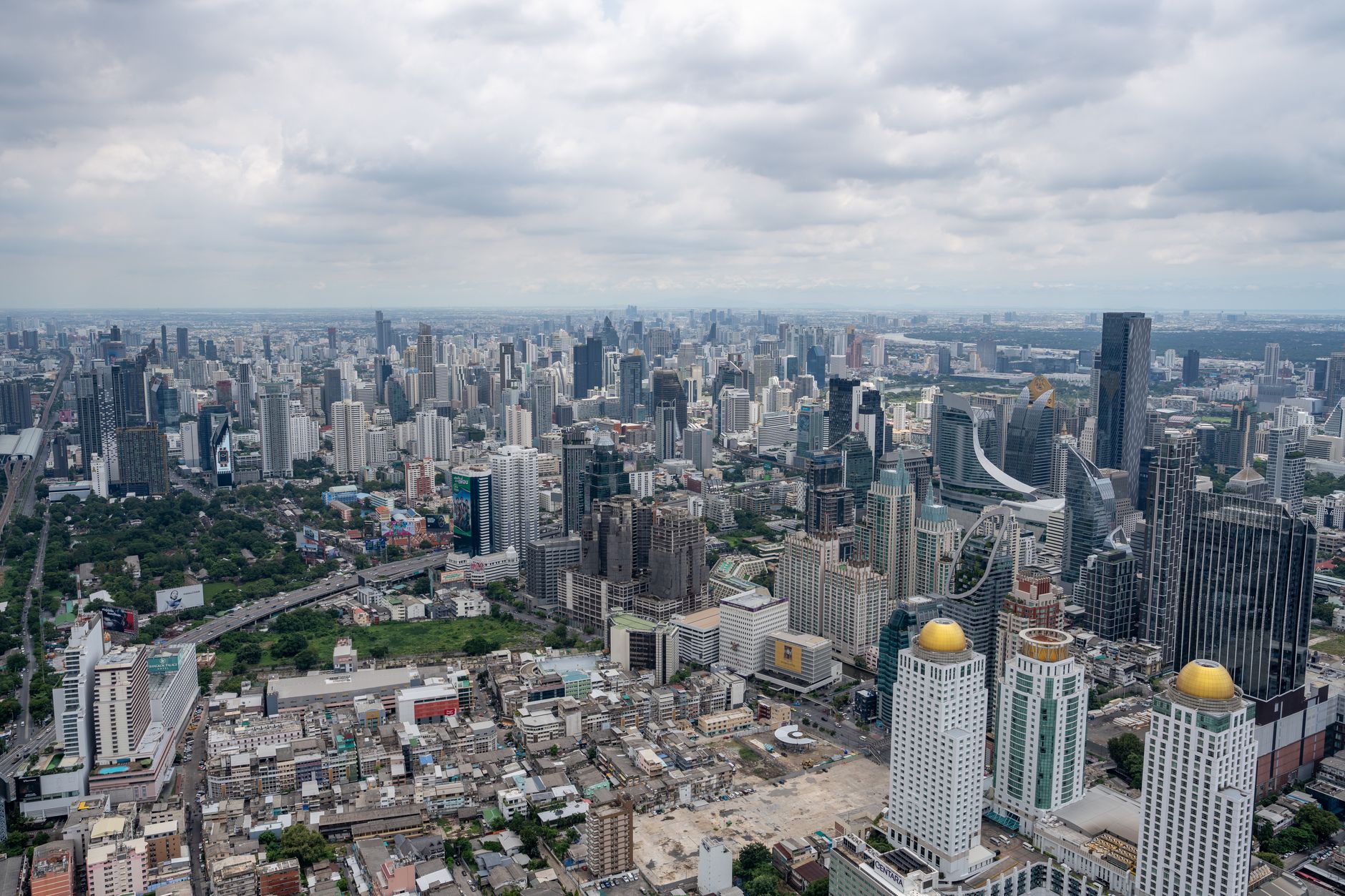
The eviction notices arrived in Khlong San last month. Forty-three households along the strip of riverfront between Iconsiam and the old customs pier had thirty days to vacate land their families occupied for three generations, clearing space for a mixed-use promenade the Bangkok Metropolitan Administration has quietly promoted as the centerpiece of its 2026 riverside regeneration corridor. Nobody in those households says anyone from city hall asked them about it first.
The project matters now because ground clearance is already underway. The BMA formally launched the Chao Phraya Riverside Development Framework in January, bundling together five sub-projects stretching nearly eleven kilometres from Krung Thon Buri Bridge south to Rat Burana. Backed by a 4.2-billion-baht allocation approved in the metropolitan budget, the framework promises elevated walkways, cultural pavilions and hotel-grade river piers. What the official documents do not prominently feature is what happens to the roughly 1,200 households the BMA's own environmental impact assessment identifies as sitting inside the project boundary.
From Pak Khlong Talat to Thonburi: A Corridor of Anxiety
Residents in at least four distinct communities, Wat Kanlayanamitr, Pak Khlong Talat, the Wang Lang market district on the Thonburi bank, and the lower Khlong San riverside, describe learning about construction timelines from neighbours, not from any formal consultation process. Community representatives at Wat Kanlayanamitr, where a cluster of wooden shophouses dates to the reign of Rama III, say the Rattanakosin Heritage Conservation Office has not visited the site since November 2024 despite correspondence asking for a heritage assessment. The Buddhist temple complex itself sits inside a buffer zone supposedly protected under the 2019 city plan.
Wang Lang market, which draws roughly 15,000 visitors on a busy weekend and is a reference point for Bangkok's street food economy, sits directly adjacent to Phase 2 of the framework. Vendors there are operating on month-to-month market licences that the Siriraj Hospital Foundation, which administers the land, has not renewed beyond September. Small traders report that a standard four-metre stall space on Wang Lang's main pedestrian lane now commands a daily fee of 350 baht, up from 220 baht two years ago, pressure they attribute directly to speculative land interest stirred up by the development announcement.
The tourism backdrop makes this politically combustible. Thailand recorded 39.8 million international arrivals in 2025, a post-pandemic record, and the Tourism Authority of Thailand has staked much of its 2026 campaign on riverside Bangkok as a premium destination. But tourism's gains and community displacement are hitting simultaneously, which is precisely the tension heritage advocates at the Association of Siamese Architects have been warning about since the framework's design phase began.
Compensation Figures Residents Call Insulting
The BMA's relocation assistance schedule, confirmed in a document circulated to community leaders in May, offers households on non-titled land a one-time payment of 50,000 baht plus priority access to the Baan Mankong community housing programme administered by the Community Organizations Development Institute. Families in Khlong San say 50,000 baht covers roughly three months' rent in the nearest affordable district, which for most of them is Rat Burana or Bang Bon, far from the river economy, the day-labour markets and the schools their children attend.
The Baan Mankong programme itself has a mixed record in Bangkok. CODI data shows that of fourteen riverside Baan Mankong projects approved since 2018, nine remain incomplete, four have been cancelled and only one, at Khlong Toei's Port Authority settlement, has produced finished units within the original timeline.
The BMA has not scheduled a public hearing on the riverside framework before the next major construction phase begins in October. Residents who want to formally object can submit written objections to the Bangkok Governor's Office at Din Daeng through the city's complaint portal, reference project code BMA-RDF-2026, but community organisers in Khlong San say they were only told that process existed after filing complaints with the National Human Rights Commission last week. The commission confirmed it has received three separate petitions and is reviewing whether a fact-finding visit is warranted before the October groundbreaking.