news
Bangkok Digital Nomads Surge: City Faces Critical Infrastructure Decisions
As the city's tourism industry reaches record highs, policymakers must balance growth with infrastructure and heritage concerns
How we reported this
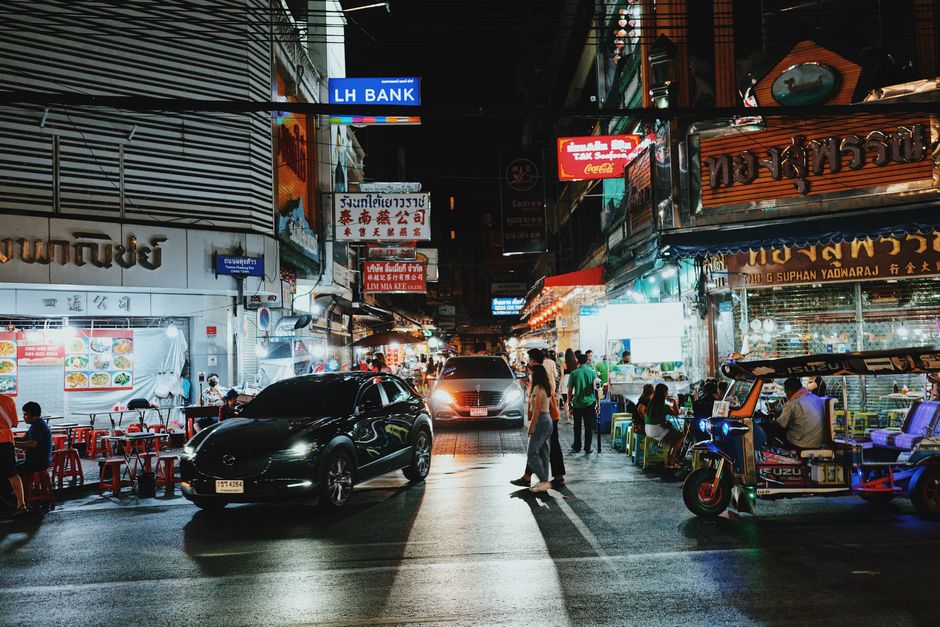
Bangkok has seen a significant surge in digital nomad arrivals, with over 100,000 remote workers estimated to be living in the city, according to a recent report by the Bangkok Metropolitan Administration. This influx has brought both economic benefits and infrastructure challenges, particularly in popular areas like Sukhumvit and Silom.
The growth of the digital nomad community matters now because it coincides with the city's efforts to develop its Chao Phraya waterfront and high-rise developments, which have sparked concerns about heritage preservation and gentrification. The Paetongtarn Shinawatra administration's policies, including the Pheu Thai party's focus on sustainable tourism, will be crucial in shaping the city's response to these challenges. Organisations like the Tourism Authority of Thailand and the Bangkok River Association are also playing a key role in promoting responsible tourism practices and preserving the city's cultural heritage.
Local Implications and Initiatives
In specific neighbourhoods like Ari and Thonglor, the digital nomad community has driven up demand for co-working spaces and cafes, with venues like Hubba and Ponganes offering a range of services and amenities. The MOVE Forward party's dissolution controversy has also raised questions about the city's political stability and its impact on investor confidence. Meanwhile, programs like the Bangkok Smart City initiative and the Creative District project aim to promote innovation and entrepreneurship, while also addressing concerns about traffic, pollution, and affordable housing. For example, the city's plan to develop a new metro line along Rama IV Road is expected to improve connectivity and reduce congestion in areas like Sathorn and Bang Rak.
According to data from the Bank of Thailand, the tourism industry generated over 2.5 trillion baht in revenue in 2025, with an average daily spend of 4,500 baht per visitor. The digital nomad community is estimated to contribute around 10% of this total, with many remote workers staying in the city for several months or even years. As of June 2026, the average rent for a one-bedroom apartment in Sukhumvit was around 25,000 baht per month, up from 18,000 baht in 2022. These statistics highlight the need for policymakers to balance the economic benefits of tourism with the need to preserve the city's cultural heritage and ensure that the benefits of growth are shared equitably among all stakeholders.
Looking ahead, key decisions will need to be made about how to manage the growth of the digital nomad community, while also addressing concerns about infrastructure, heritage, and affordability. This may involve investing in new transportation systems, promoting sustainable tourism practices, and implementing policies to protect the city's cultural heritage. For example, the city could consider introducing measures to regulate the development of co-working spaces and cafes, or implementing initiatives to support local businesses and entrepreneurs. By taking a proactive and sustainable approach, Bangkok can ensure that its digital nomad boom benefits both the city and its residents, while also preserving its unique cultural identity and charm.