news
Bangkok Cracks Down on Fake Property Photos, Lags Singapore and Dubai
Thailand's real estate portals are finally moving to stamp out recycled and misleading listing images, though the city's fragmented agency market makes the clean-up harder than in rival hubs.
How we reported this
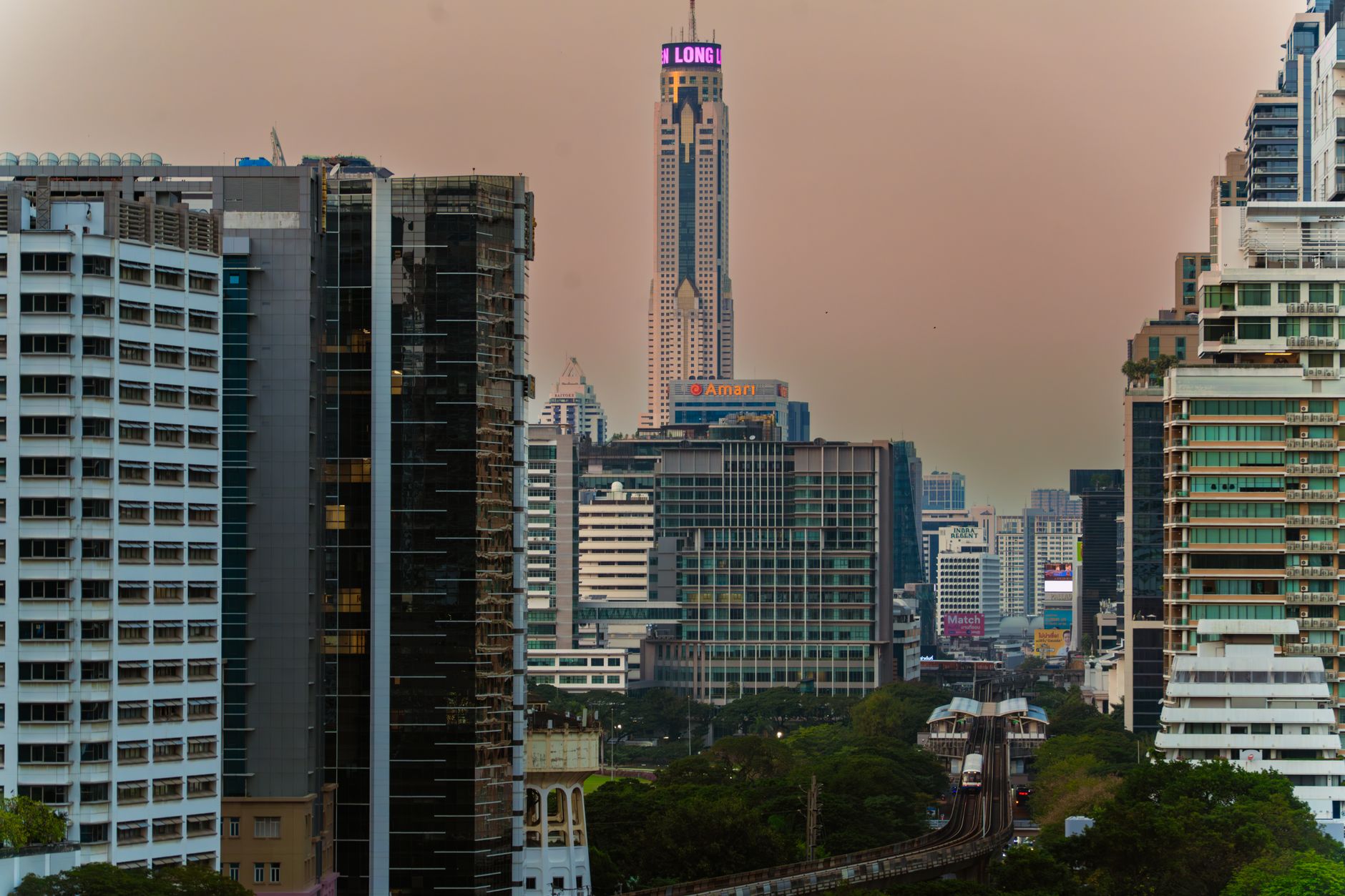
Thailand's two largest property listing platforms began enforcing automated duplicate-image detection across Bangkok listings in the first quarter of 2026, targeting the long-running practice of recycling photographs, sometimes lifted from unrelated properties or pulled from years-old listings, to dress up new rental and sale advertisements. The crackdown follows years of complaints from buyers and digital nomads who arrived at condominiums on Sukhumvit Road or in the Silom-Sathorn corridor to find units bearing no resemblance to the glossy images that sold them on a lease.
The timing matters. Bangkok recorded its highest-ever volume of online property searches in 2025, driven partly by the post-Songkran surge in long-stay tourists and a growing remote-worker population concentrated in areas like Ari, Ekkamai, and the riverside blocks near the Chao Phraya. More foreigners than ever are signing leases sight-unseen after browsing portals on their phones, which means a misleading hero image no longer just disappoints a local renter, it can strand an overseas tenant thousands of kilometres from recourse.
What Bangkok's Portals Are Actually Doing
DDproperty, one of the country's dominant real estate search sites, confirmed it is using perceptual hashing technology to flag images that appear across multiple listings. The system compares pixel-pattern fingerprints rather than exact file copies, catching cropped or colour-adjusted duplicates. Fazwaz, a rival platform popular with expat renters around Phrom Phong and Thong Lo, introduced a similar tool in February 2026, requiring agents to resubmit verified photographs for listings flagged by the algorithm within 72 hours or face temporary suspension from the portal. Neither company has published a specific figure for how many listings were affected at rollout, so the scale of the problem in raw numbers remains difficult to independently verify.
What is clear is that Bangkok's agency landscape complicates enforcement considerably. The city has no single mandatory licensing body for real estate brokers, unlike Singapore, where the Council for Estate Agencies has required agents to hold a licence and follow a code of conduct since 2010. In Dubai, the Real Estate Regulatory Agency mandates that all property advertisements carry a verified permit number, making duplicate or fabricated imagery an enforceable offence rather than merely a platform policy violation. Bangkok's approach, by contrast, is voluntary and platform-led. Agents who are suspended from one portal can simply migrate their listings, recycled images and all, to another.
How Bangkok Compares to Other Major Cities
The gap with Singapore is particularly visible in the condo-heavy districts along the BTS Skytrain lines. Singapore's PropertyGuru, operating under tighter national regulatory pressure, has required agent-verified image uploads since 2022 and cross-references listing photographs against a national property transaction database. Bangkok's equivalent infrastructure does not yet exist. The Land Department's ThaiLandDeed database tracks ownership and transactions but is not connected to any portal's image-verification workflow.
Dubai's RERA-backed Trakheesi system, which assigns a permit number to every advertisement, provides a public audit trail that Bangkok's current framework cannot match. London and Tokyo have pursued different paths, London's Rightmove operates its own image-quality scoring system tied to agent performance ratings, while Japan's property portals are subject to the Building Lots and Buildings Transaction Business Act, which carries criminal penalties for misleading property advertisements.
Bangkok's Real Estate Information Center, operated under the Government Housing Bank, has been in contact with portal operators about developing a shared image-authenticity standard, though no formal policy has been announced as of July 2026. The National Housing Authority's Bangna and Nonthaburi developments are often cited within the industry as examples where standardised photography requirements have improved listing accuracy for state-backed projects, but those conditions do not extend to the private secondary market that dominates central Bangkok.
For renters and buyers navigating the market now, property lawyers on Wireless Road and in the Asoke area advise requesting a video walkthrough via LINE before signing any lease, checking that street-view images on Google Maps broadly match listing exteriors, and using the Land Department's online title-deed verification service to confirm that listed unit details correspond to registered property records. The platforms are moving, but until Bangkok has binding industry-wide rules rather than portal-by-portal policies, the burden of verification still falls heavily on the person signing the contract.