news
Bangkok's Digital Nomads Surge: Policymakers Navigate Growth, Infrastructure Tensions
As the city's tourism industry reaches record highs, policymakers must balance growth with infrastructure and heritage concerns
How we reported this
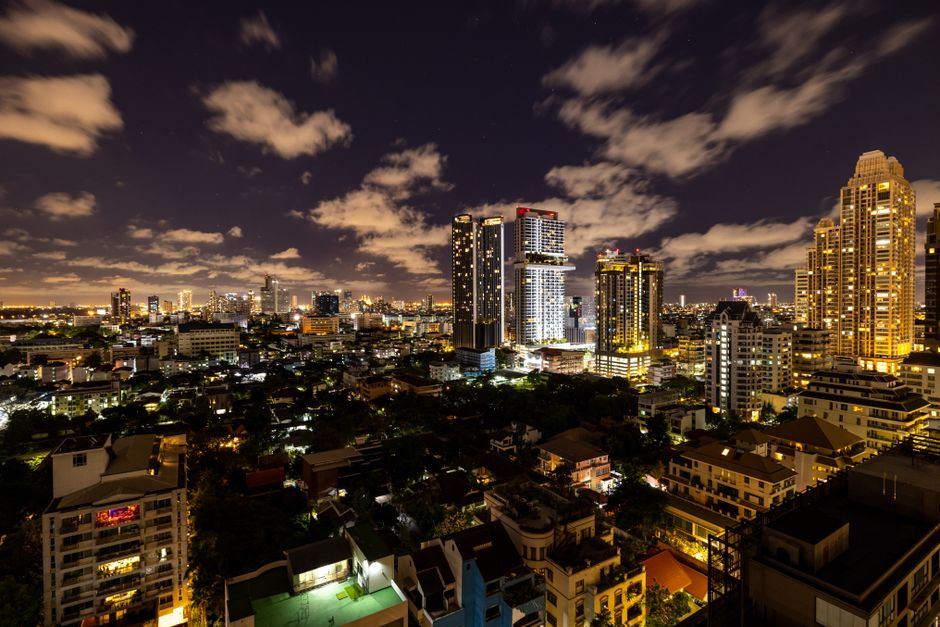
Bangkok has seen a significant surge in digital nomad arrivals, with over 100,000 remote workers estimated to be living in the city, according to data from the Tourism Authority of Thailand. This influx has brought new energy and investment to neighborhoods like Ari and Thonglor, but also raises questions about the city's ability to accommodate this growth sustainably.
The digital nomad boom matters now because it intersects with several key policy debates in Bangkok, including the development of the Chao Phraya waterfront and the balance between high-rise development and heritage preservation. As the city's leaders, including Paetongtarn Shinawatra and the Pheu Thai party, consider how to manage this growth, they must weigh the benefits of increased tourism revenue against the potential costs to local communities and the environment. Organizations like the Bangkok Metropolitan Administration and the Thai Chamber of Commerce will play important roles in shaping the city's response to these challenges.
Local Implications and Initiatives
In specific neighborhoods, the impact of the digital nomad boom is already being felt. In Ari, for example, the number of coworking spaces has increased by over 50% in the past year, with venues like Hubba and The Work Loft catering to the growing demand for flexible and communal workspaces. Similarly, in Thonglor, the arrival of new restaurants and cafes has transformed the local nightlife scene, with venues like Iron Balls Distillery and The Never Ending Summer drawing large crowds. However, this growth also raises concerns about gentrification and the displacement of long-time residents, as seen in areas like Chinatown and the Old Town.
According to data from the Bank of Thailand, the average monthly rent for a one-bedroom apartment in Bangkok's central business district has increased by 15% in the past year, to around 25,000 THB. This trend is driven in part by the growing demand for housing from digital nomads, who are often willing to pay premium prices for convenient and well-appointed accommodations. As of June 2026, the Thai government has announced plans to increase the supply of affordable housing in the city, with a goal of building 10,000 new units per year over the next five years.
Key Decisions Ahead
Looking ahead, several key decisions will shape the future of Bangkok's digital nomad community. Firstly, policymakers must determine how to balance the need for new development with the need to preserve the city's cultural heritage and historic neighborhoods. This may involve initiatives like the Chao Phraya waterfront development project, which aims to create a more sustainable and pedestrian-friendly public space. Secondly, the city must invest in infrastructure to support the growing number of remote workers, including improvements to public transportation and digital connectivity. Finally, leaders must work to ensure that the benefits of the digital nomad boom are shared equitably among all members of the community, including long-time residents and local business owners. By taking a proactive and inclusive approach to managing this growth, Bangkok can position itself as a leader in the global digital nomad community, while also protecting the unique character and charm of the city.