news
Bangkok Rebuilds Its Visual Identity as Tourism Surges Past Pre-Pandemic Records
As tourism surges past pre-pandemic records and major redevelopment projects reshape the skyline, Bangkok faces a reckoning over how it presents itself, and who controls the pictures.
How we reported this
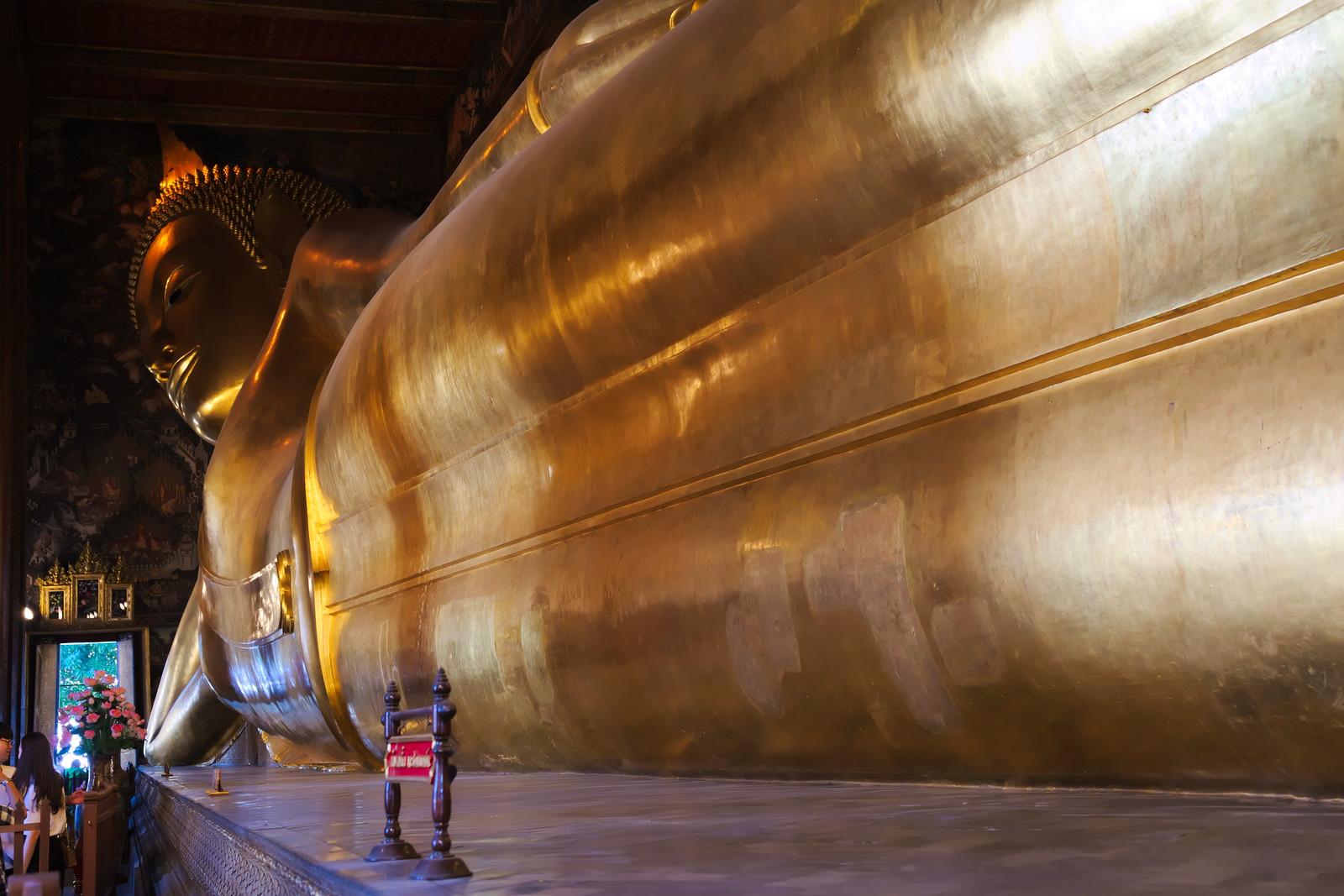
Bangkok's official visual archives are cluttered with duplicates. The Tourism Authority of Thailand's digital asset library, managed out of its Larn Luang Road headquarters, contains thousands of redundant image files, some catalogued under multiple filenames, others misfiled entirely, a problem that has quietly complicated marketing campaigns as the capital chases a record 40 million foreign arrivals for 2026. The question of what happens next to that backlog, and who gets to make the decisions, is now pressing.
This is not a bureaucratic footnote. Thailand's tourism economy is worth roughly 12 percent of GDP in a strong year, and Bangkok's brand imagery, the Grand Palace at dawn, the Chao Phraya at golden hour, the Yaowarat neon at midnight, is the first thing potential visitors encounter. When duplicate or low-resolution assets circulate unchecked across official and third-party channels, the visual message fractures. Worse, during the pivot toward high-spend travellers that the Paetongtarn government has made central to its tourism strategy, inconsistent imagery undercuts positioning efforts aimed at luxury and wellness segments.
The Bangkok Metropolitan Administration has separately flagged the issue through its Smart City Office, which has been digitising heritage documentation for the Rattanakosin Island precinct since 2024. Officials there have found that image duplication, particularly of landmarks along Charoen Krung Road and in the Bang Rak district, has led to conflicting metadata across city databases, creating headaches for urban planners working on the Chao Phraya waterfront development corridor.
The Decisions That Cannot Be Deferred
Three choices sit on the table before the end of Q3 2026. First: whether the TAT consolidates its asset management under a single vendor platform or builds an in-house system. Tenders circulated earlier this year suggested a budget envelope in the range of 85 million baht for a five-year digital infrastructure contract, though no award has been publicly confirmed. Second: which images get retired. That is a curatorial and political question simultaneously, depictions of certain landmarks carry heritage sensitivities, particularly around Wat Pho and Wat Arun, where temple authorities have their own licensing positions. Third: governance. Right now, overlapping mandates between the TAT, the BMA's communications department, and the Ministry of Culture mean no single body owns the deduplication brief.
The digital nomad community clustered around co-working spaces in Ari and Silom has a stake too, if an indirect one. Content creators who draw on official image banks for commercial projects increasingly report receiving licensing rejections because the same asset appears under different accession numbers, a paperwork tangle that costs time and, for smaller operators, money. One popular co-working venue on Sala Daeng Soi 1 has informally advised members to use independently licensed stock rather than official channels until clarity arrives.
What a Resolution Would Look Like
The most straightforward path runs through the TAT's digital transformation unit, which was restructured in late 2025 to absorb some functions previously handled by its PR division. A phased deduplication audit, standard practice for large municipal archives in cities like Tokyo and Barcelona, would involve tagging redundant files for archival rather than deletion, preserving institutional memory while clearing the active library. The BMA's Smart City Office has the technical capacity to assist, given the geospatial metadata work it has already completed for the Rattanakosin zone.
A cross-agency working group with a fixed mandate and a December 2026 deadline would at minimum establish which organisation holds final sign-off authority. Without that, the practical decisions, vendor selection, image retirement, licensing reform, will continue to stall inside separate budget cycles.
Bangkok is remaking large portions of itself: the riverside between Saphan Taksin and Asiatique is under active redevelopment, and the high-rise tension in Phrom Phong and Ekkamai means the skyline in two years will look different from the skyline today. An image archive frozen in duplication loops will compound the problem. The city's visual story needs editors. The only open question is whether the agencies involved move before the next tourism season begins, or after it.