news
Bangkok's Tourism Sites Flooded With Fake Property Images, Officials Demand Action
From Chatuchak market stalls to Chao Phraya hotel listings, duplicate and fake property images are flooding Thailand's digital tourism economy, and the people who manage it are running out of patience.
How we reported this
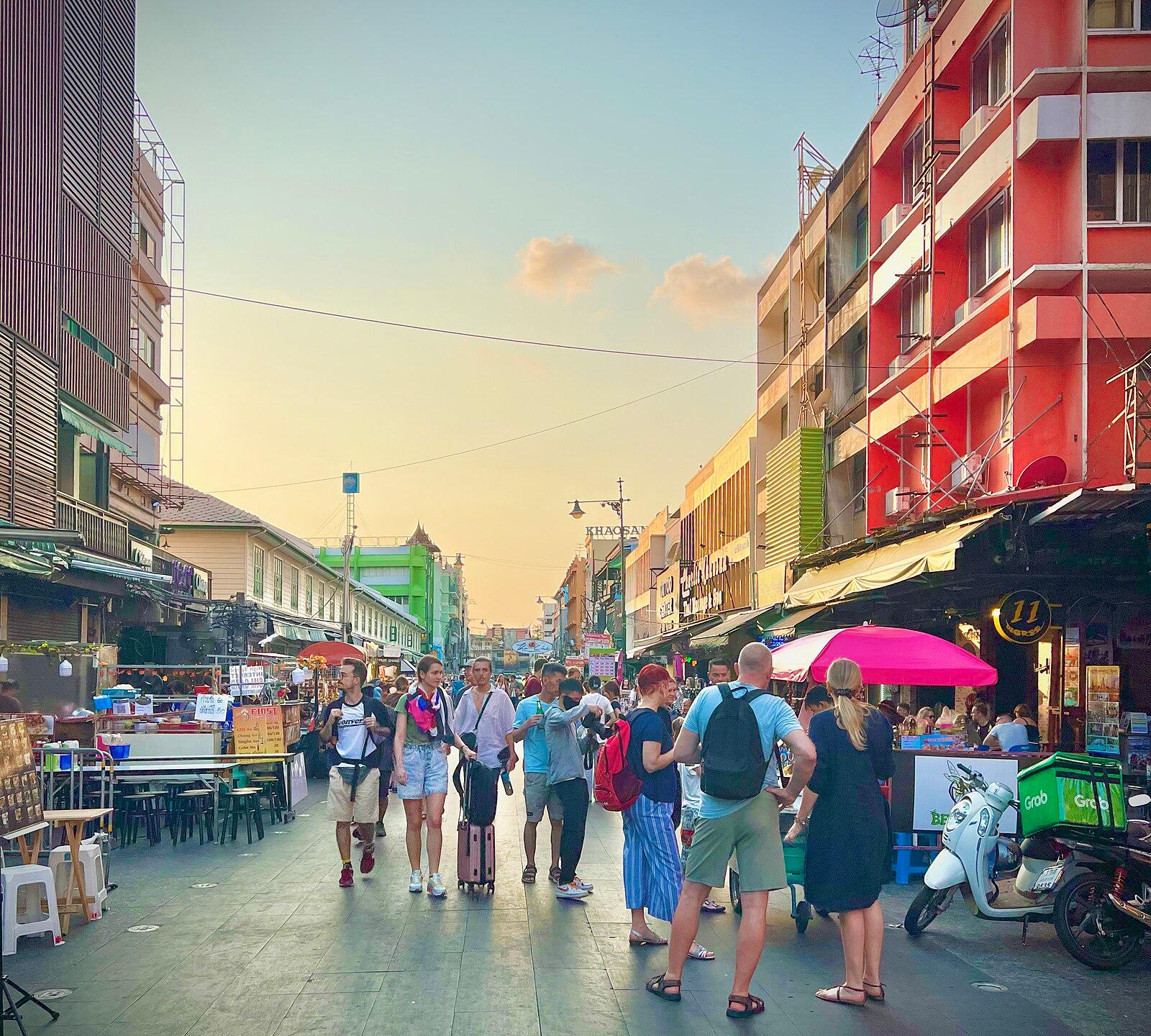
Thailand's Tourism Authority, which tracks digital marketing compliance across more than 14,000 registered accommodation providers, has flagged a sharp rise in complaints about duplicate and misrepresented images appearing across online booking platforms. The problem is concentrated in Bangkok, where the pressure to attract visitors during a record-breaking tourism cycle has pushed some operators to lift photographs from rival venues, stock libraries, or outright fabricated properties, then present them as genuine listings.
This matters now because Thailand crossed 35 million international arrivals for the first time in 2025, a milestone the Paetongtarn Shinawatra government has leaned on heavily as economic evidence. That influx created a seller's market for accommodation, and a seller's market, property compliance lawyers say, creates corners worth cutting. Complaints filed with the Electronic Transactions Development Agency (ETDA) in Bangkok during the first quarter of 2026 included a significant category of misleading commercial imagery, one of the agency's fastest-growing complaint types.
Where the Problem Is Concentrated
The neighbourhoods drawing the most documented cases are Sukhumvit, particularly the soi network between Asok and Ekkamai, and the riverside corridor running from the Maharaj Pier area down past Charoen Krung Road toward Asiatique The Riverfront. Both zones have seen aggressive short-term rental development over the past three years, often in buildings that changed ownership or purpose quickly after COVID-era distress sales.
The Thai Hotels Association, headquartered on Wireless Road in Lumphini, has been pushing member hotels to register their official image banks with a central verification system piloted in late 2025. The system allows platforms to cross-check submitted photographs against a hash database, flagging duplicates before a listing goes live. Adoption has been uneven: larger chain properties on Silom Road and around Siam Square have participated, while smaller operators in Bang Rak and the Banglamphu backpacker district have been slower to enroll.
Academics at Chulalongkorn University's Faculty of Commerce and Accountancy have been examining the downstream economic effects. Their working position, presented at a digital commerce forum held at the Centara Grand hotel in March 2026, is that image fraud in tourism listings erodes consumer trust at a systemic level, meaning the damage is not confined to individual bad actors but spreads to legitimate operators who suffer reduced booking confidence. The faculty has not yet published a peer-reviewed paper on the subject, but the forum presentation has circulated widely in industry circles.
What Platforms and Regulators Are Being Asked to Do
The ETDA's current regulatory framework, updated under its 2022 Digital Service Business Act amendments, requires platforms operating in Thailand to maintain a complaints channel and respond within 15 business days. Critics within the digital nomad community, a constituency that has grown substantially around co-working hubs in Ari and Phrom Phong, argue that 15 days is far too slow for a market where a fraudulent listing can collect dozens of bookings in 48 hours before removal.
The Tourism Authority of Thailand has been in discussion with major international booking platforms about voluntary real-time image verification, though no formal agreement has been announced. Thailand's Consumer Protection Board, which sits under the Prime Minister's Office, has the authority to pursue civil action against platforms that knowingly host deceptive content, though it has not publicly stated whether it intends to use that power in this context.
For travellers booking accommodation in Bangkok right now, the practical guidance from consumer groups is consistent: cross-reference listing images against the property's own official website or its social media presence before confirming a booking, and use the ETDA's online complaint portal, available in Thai and English, if a property differs materially from its advertised photographs on arrival. Operators, meanwhile, are being urged to watermark their images and register with the Thai Hotels Association's verification pilot before the high season begins in October.