news
Bangkok Property Listings Plagued by Fake Images, Buyers Lose Trust
The rise of duplicate and AI-manipulated listing photos has quietly undermined trust in Thailand's booming real-estate market, and a new push for accountability is overdue.
How we reported this
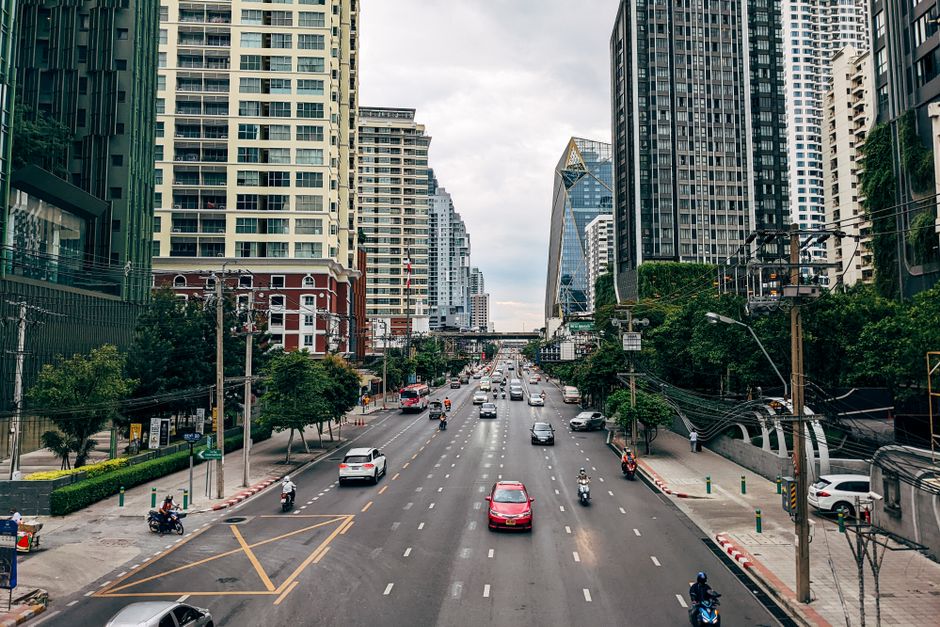
Walk into any real-estate agency along Sukhumvit Road today and the pitch looks polished: gleaming condominiums, rooftop infinity pools, sweeping views of the Chao Phraya. Look closer at the photographs on the brochures, though, and a familiar problem emerges. The same image of a timber-floored studio appears in listings for buildings on Silom, on Ratchada, and in the Lat Phrao district simultaneously, sometimes in units priced 15,000 baht apart per month. Nobody took a new photo. Nobody asked permission. The image just travelled.
The practice of recycling, duplicating, and now AI-generating property listing images has been festering in Bangkok's rental and sales market for years. It is gaining fresh urgency in mid-2026, however, because the stakes have risen sharply. Record tourist arrivals, the Tourism Authority of Thailand reported more than 35 million international visitors in 2025, with 2026 on pace to surpass that, have supercharged demand for short-term rentals, pushing platforms like DDproperty, Dot Property, and a swarm of Facebook Marketplace groups into an arms race for eyeballs. More listings, faster uploads, and less verification have become the operational norm.
A Problem With Deep Local Roots
The mechanics are straightforward. A landlord in On Nut photographs her 28-square-metre unit once, in 2019, before a renovation that added a partition wall. That original image gets scraped by a sub-agent, re-uploaded to a new listing, then scraped again by a third party offering the same room to digital nomads through a monthly co-living package. By the time a prospective tenant, say, a French software developer working remotely and hunting for accommodation near the BTS Ekkamai station, books a viewing, the unit looks nothing like what was advertised. Complaints to the Consumer Protection Board under the Office of the Consumer Protection Committee have historically gone nowhere fast, partly because the agency lacks specific guidance on digital image misrepresentation in property advertising.
The Chao Phraya waterfront development corridor has made the problem more visible. As new high-rise projects from developers including Sansiri and Origin Property have launched along the riverside between Saphan Taksin and the Icon Siam stretch, marketing teams for competing buildings have been documented reusing each other's render images, sometimes with only the logo swapped. In January 2026, a unit at one riverside project was listed on three separate platforms using an image that property researchers traced to a completed development in the Rama III area, built in 2021. The buildings are not remotely similar.
The Regulatory Gap and What's Changing
Thailand's Real Estate Information Center, operated under the Government Housing Bank, has tracked listing data since 2014, but its mandate covers pricing and supply metrics rather than image authenticity. The Real Estate Broker Association of Thailand, which represents licensed agents, issued voluntary guidelines on image accuracy in March 2025, recommending that member agencies retake photographs every 24 months and include a date-stamp metadata standard. Compliance remains optional and enforcement is essentially self-reported.
The shift toward AI-generated interiors has added a new layer of complexity. Software that can render a convincing living room from a bare concrete shell costs as little as 299 baht per month on subscription platforms now widely used by freelance agents operating out of co-working spaces on Ekkamai and Ari. Buyers and renters have no reliable way to identify these images without reverse-image search tools, and most are not running those checks.
Pressure is building from an unlikely direction: the digital nomad community concentrated around Nimman Road in Chiang Mai and the Asok-Phrom Phong corridor in Bangkok has begun circulating shared blacklists of agencies that habitually post misleading images. Several Facebook groups with combined memberships exceeding 80,000 users now flag offending listings by name.
Practical advice for anyone searching now: request a video walkthrough conducted via live call before transferring any deposit, cross-reference listing photos using Google Lens or TinEye, and ask for a dated photograph of the building's street entrance. The Consumer Protection Board's hotline, 1166, can log formal complaints, even if resolution is slow. Agencies registered with the Real Estate Broker Association are at least bound by the March 2025 guidelines, making them a safer starting point than anonymous Facebook listings. The image problem is real. So is the remedy, small as it currently is.