news
Bangkok Residents Discover Their Photos Used Without Consent Across City
From Chatuchak market stalls to Sukhumvit hotel lobbies, ordinary Bangkokians are discovering their photos used without consent across commercial platforms, and they want answers.
How we reported this
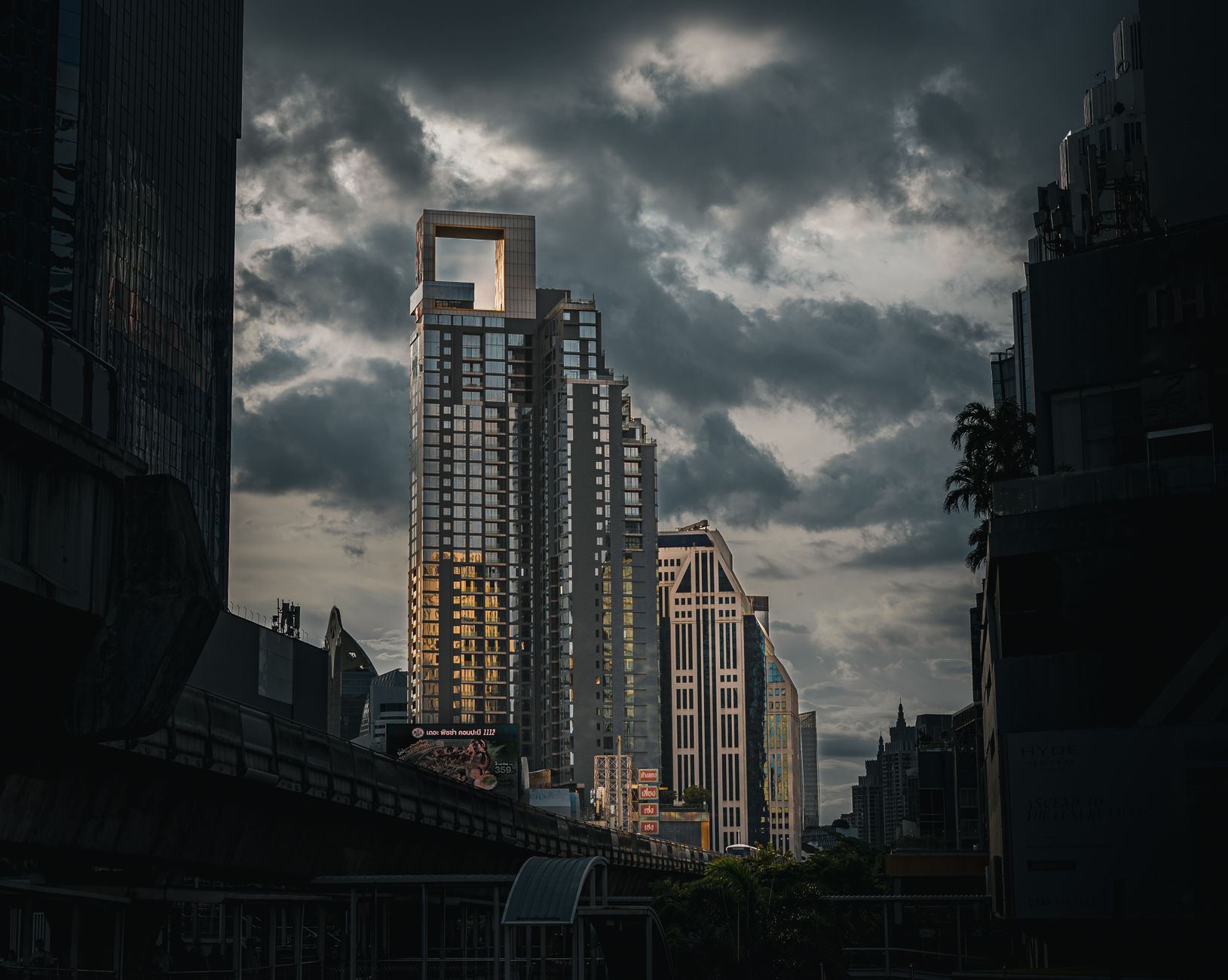
Duplicated images are turning up across Bangkok's booming tourism and e-commerce sectors, and the people whose faces and properties appear in them say nobody asked their permission. Vendors, hotel workers, and neighbourhood activists across the city describe finding photographs of themselves, taken years ago by strangers with phones or by commercial photographers at public events, recycled on travel websites, digital advertising boards, and social media campaigns run by businesses they have never dealt with.
The problem has sharpened in 2026 as Thailand's tourism industry pushes toward a record 40 million international arrivals for the year, with the Tourism Authority of Thailand running aggressive promotional campaigns across multiple digital channels. More images are in circulation. More of them belong, in some meaningful sense, to people who never signed a release form.
Stories From the Shopfront and the Street
At Or Tor Kor Market on Kamphaeng Phet Road, one of the city's most photographed fresh-produce halls, stallholders say they have grown accustomed to camera lenses pointed at them from tourists and content creators alike. What they did not expect was to find those images used commercially. One fruit vendor in the market's northern section described recognising a photograph of herself on a printed banner outside a Silom Road juice chain; she had never been contacted by the company and received nothing for the use of her image. She estimated the banner had been running for at least four months before a customer pointed it out to her.
In the Ari neighbourhood, a residents' group called the Ari Community Forum has been cataloguing similar cases since early 2025. Members say at least eleven residents have identified images of their homes, shopfronts, or faces on real-estate listing sites, lifestyle blogs, and hotel promotional materials, none with documented consent. The group began circulating a simple self-reporting form in March 2026 and received 34 responses within six weeks.
The legal framework in Thailand offers some protection. The Personal Data Protection Act, which took full effect for private-sector entities in June 2022, defines biometric data, including facial images, as sensitive personal data requiring explicit consent before collection or processing. The Office of the Personal Data Protection Committee (PDPC) has received complaints under the act, though the office has not published a comprehensive breakdown of image-specific cases for 2025 or 2026.
Why Enforcement Lags Behind the Problem
Filing a formal complaint requires navigating the PDPC's online portal, submitting supporting documentation, and waiting through a process that consumer rights advocates say can stretch beyond 90 days for initial review. For a market vendor in Chatuchak or a homeowner in Lat Phrao, that timetable, combined with uncertainty about outcomes, discourages action. The Thai Consumers Foundation, based on Narathiwat Ratchanakharin Road, has begun offering walk-in guidance sessions on Tuesdays specifically for PDPA-related image complaints, a program that started in February 2026.
Digital nomads working from co-working spaces along Nimman Road in Chiang Mai have flagged the same issue through online forums, but the Bangkok dimension carries particular weight because of the volume of commercial activity tied to the capital's heritage zones and waterfront developments. The ongoing Chao Phraya riverside redevelopment has drawn documentary photographers, hospitality marketers, and real-estate promoters in numbers that community groups say are without precedent.
Anyone who discovers their image used without consent has a clearer path than many realise. The PDPC allows complaints to be lodged at pdpc.or.th, and complainants can request the data controller identify the legal basis for using the image. If no valid consent or legitimate interest basis exists, the controller must delete it. The Thai Consumers Foundation advises documenting the image's location online with a timestamped screenshot before contacting the organisation directly. The foundation's Tuesday sessions run from 10 a.m. to noon at its Narathiwat Ratchanakharin Road office. For those whose images are appearing in paid advertising, separate civil claims for compensation under the Civil and Commercial Code remain an option, though they require a lawyer and carry court fees starting at several thousand baht.