news
Bangkok Officials, Experts Debate Digital Nomad Boom's Opportunities, Challenges
As record numbers of remote workers flock to the city, stakeholders weigh in on the opportunities and challenges ahead
How we reported this
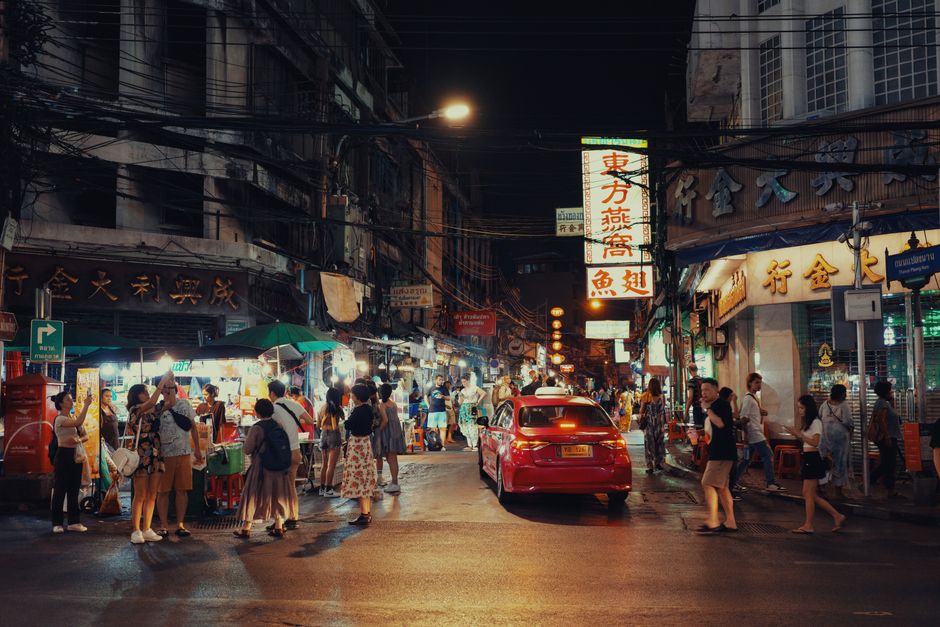
Bangkok has seen a significant surge in digital nomads, with over 100,000 remote workers estimated to be living in the city, according to a recent report by the Bangkok Metropolitan Administration. This influx of new residents is having a profound impact on the city's economy, infrastructure, and culture.
The digital nomad boom matters now because it is coinciding with a period of rapid development and transformation in Bangkok. The city is investing heavily in its infrastructure, with major projects like the Chao Phraya waterfront development and the expansion of the BTS and MRT metro lines. At the same time, there are concerns about the impact of high-rise development on the city's heritage and character. As the city navigates these changes, the perspectives of officials, experts, and key figures will be crucial in shaping the future of Bangkok.
In Bangkok, digital nomads are drawn to neighborhoods like Sukhumvit, Silom, and Ari, which offer a mix of modern amenities, cultural attractions, and affordable housing. The city's famous night markets, like Rot Fai and Patpong, are also popular destinations for remote workers looking to experience the local culture. Organisations like the Tourism Authority of Thailand and the Bangkok Digital Nomad Community are working to promote the city as a hub for remote work and provide support services for digital nomads. For example, the co-working space Hubba in the Ekkamai neighborhood offers a range of amenities and events specifically designed for digital nomads.
By the Numbers
According to data from the Thai government, the number of digital nomads in Bangkok has increased by 25% in the past year, with the average remote worker staying in the city for 6-12 months. The cost of living in Bangkok is relatively low, with a one-bedroom apartment in a central neighborhood like Sukhumvit costing around 15,000-25,000 THB per month. However, there are concerns about the impact of rising housing costs on the city's long-term residents, with some areas seeing price increases of up to 50% in the past year. As of June 2026, the Thai government has announced plans to introduce a new visa scheme specifically designed for digital nomads, which will offer a range of benefits and incentives to attract more remote workers to the city.
So what happens next for Bangkok's digital nomad community? As the city continues to evolve and grow, it will be important for stakeholders to work together to address the challenges and opportunities presented by this influx of new residents. This may involve investing in infrastructure and services that support remote work, such as high-speed internet and co-working spaces. It may also involve implementing policies to protect the city's heritage and character, such as regulations on high-rise development and preservation of historic neighborhoods. By listening to the perspectives of officials, experts, and key figures, we can gain a better understanding of the complex issues at play and work towards creating a vibrant and sustainable community for all residents of Bangkok.