news
Bangkok Real Estate Cracks Down on Fake Property Photos
A surge in duplicate and AI-generated images across Thailand's real estate portals has eroded buyer trust and triggered a slow-moving regulatory response that is finally gaining momentum.
How we reported this
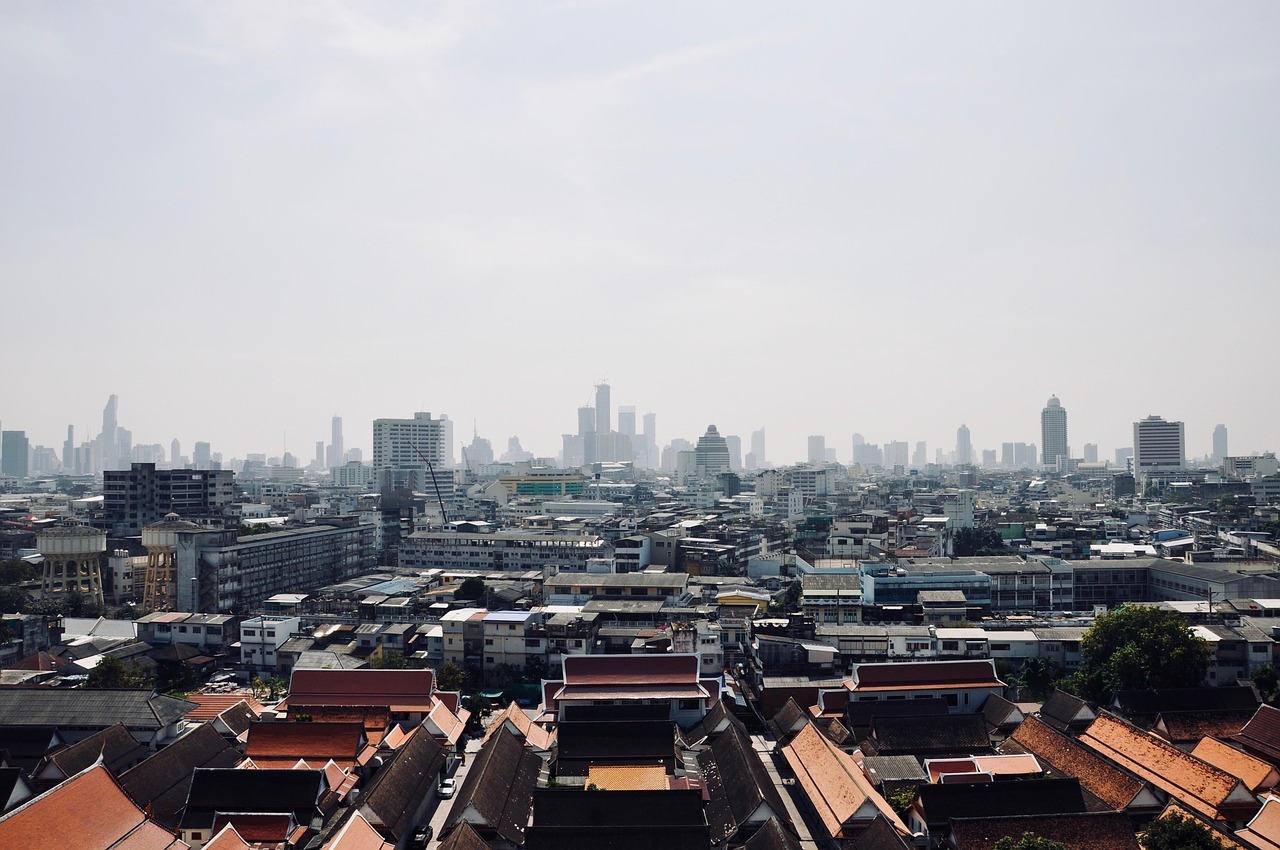
Walk into any branch of the Department of Lands on Phaholyothin Road and staff will tell you the same thing without prompting: the paperwork is the easy part. It is the photographs that cause the headaches. Thailand's real estate market, which recorded overseas buyer inquiries at a decade-high in early 2026 according to the Thai Real Estate Association, is grappling with a well-documented crisis of duplicate and fraudulent listing images that has been building since roughly 2021, and the industry is only now being forced to confront it seriously.
The problem is straightforward to describe, even if the fix is not. A single condominium unit near Asok BTS station gets listed by three different agencies simultaneously, each using a different selection of the same stock photographs. Sometimes those photographs are not even of the building in question. Reverse-image searches conducted routinely by buyers in Bangkok's digital nomad community, concentrated heavily around Ekkamai and the co-working corridors of Ari, have turned up listing photos lifted from developments in Dubai, Kuala Lumpur, and occasionally from entirely different Bangkok projects demolished years earlier.
How the Duplication Problem Took Root
The roots go back to the COVID-19 period. Between 2020 and 2022, property showrooms shut and physical inspections became impossible. Agencies began leaning hard on digital assets, and oversight was minimal. Portals such as DDproperty and Hipflat, both operating major Bangkok-facing platforms, expanded their listing volumes rapidly to capture demand from remote-era buyers. Neither platform had, at that stage, mandatory image-verification systems in place, a gap the industry acknowledged publicly in trade press by 2023.
The Thai Real Estate Broker Association, headquartered in the Chamchuri Square complex on Phayathai Road, flagged the duplicate-image issue formally in a 2024 position paper submitted to the Consumer Protection Board. That document noted that unverified image duplication was concentrated most heavily in the Sukhumvit corridor between Nana and On Nut, where listing density is highest and agency competition most intense. Projects along the Chao Phraya waterfront, where the Bangkok Metropolitan Administration has been actively promoting new development zones, were also identified as hotspots for misleading photography.
The economics explain the persistence. A verified professional photoshoot for a mid-range condo in Thong Lo runs between 3,500 and 6,000 baht. Many small brokerage outfits operating out of shared offices in Lat Phrao or Bang Na simply cannot or will not absorb that cost per listing. Recycling imagery from higher-end projects is cheaper, faster, and, until recently, carried no enforceable penalty.
Pressure Builds for a Regulatory Response
The Consumer Protection Board began consulting with the Revenue Department and the Ministry of Digital Economy and Society in late 2025 on draft guidelines that would require property portals above a certain monthly listing threshold to implement image-hash verification before publication. The guidelines, which had not been finalised as of July 2026, would impose administrative fines for knowingly hosting duplicate imagery used to misrepresent a property's condition or location.
Separately, Chulalongkorn University's Real Estate Innovation Lab, based on the university's main campus near Sam Yan MRT, has been piloting an AI-powered duplicate-detection tool since March 2026. The tool cross-references listing photographs against a database of more than 800,000 Bangkok property images and flags matches above a 90-percent similarity threshold. Early results shared at a property technology seminar in May showed the system catching duplicate imagery in roughly one in every eleven listings sampled across four major portals.
For buyers navigating the market right now, the practical advice from property lawyers working out of offices along Silom Road is consistent: request a dated video walkthrough before signing any reservation agreement, cross-check the listed address against Google Street View, and use the Land Department's online title-deed verification portal to confirm the property exists in the form advertised. The regulatory framework may be months away from enforcement. The tools to protect yourself are available today.