news
Bangkok's Digital Nomads Surge: Policymakers Face Critical Infrastructure Decisions
As the city's tourism industry reaches record highs, policymakers must balance growth with infrastructure and heritage concerns
How we reported this
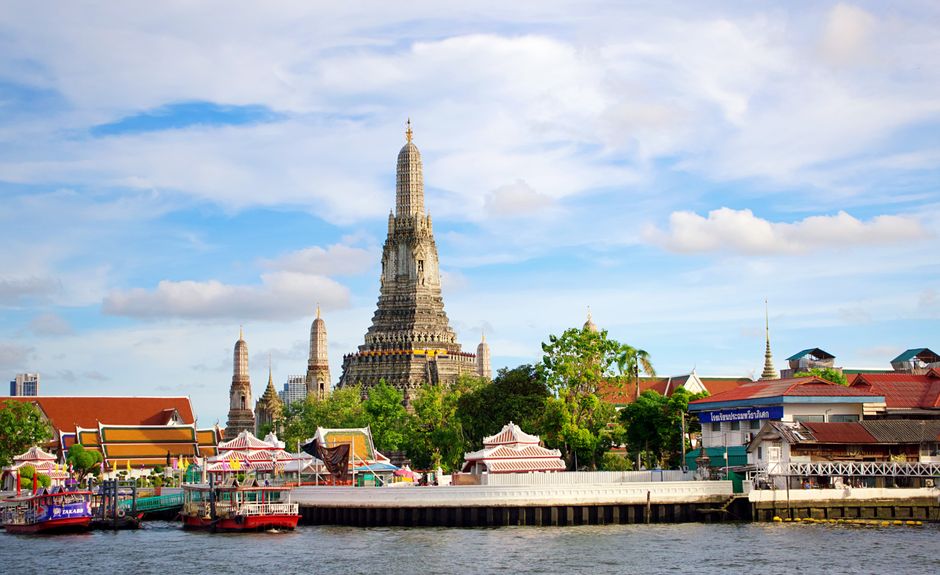
Bangkok has seen a significant surge in digital nomad arrivals, with over 100,000 remote workers estimated to be living in the city, according to a recent report by the Bangkok Metropolitan Administration.
This trend matters now because it is putting pressure on the city's infrastructure, particularly in areas like Sukhumvit and Silom, where coworking spaces and cafes are proliferating. The Thai government's efforts to promote tourism and entrepreneurship, such as the Thailand 4.0 initiative, have contributed to this growth, but policymakers must now consider the potential impacts on housing, transportation, and local culture. For example, the Chao Phraya waterfront development project, which aims to revitalize the riverfront area, will need to take into account the needs of both locals and digital nomads.
In Bangkok, digital nomads are drawn to neighborhoods like Ari, where trendy cafes and restaurants line the streets, and Thonglor, which offers a range of upscale coworking spaces. Organisations like Hubba, a coworking space with locations in Sukhumvit and Ari, are catering to this demographic, offering amenities like high-speed internet and networking events. The Bangkok City Council has also launched initiatives like the Bangkok Smart City project, which aims to improve the city's digital infrastructure and make it more attractive to remote workers.
According to data from the Tourism Authority of Thailand, the number of foreign visitors to Bangkok has increased by 15% in the past year, with many of these visitors staying in the city for extended periods. The average monthly rent for a one-bedroom apartment in Sukhumvit is now around 25,000 THB, up from 18,000 THB just two years ago. Meanwhile, the number of coworking spaces in the city has grown from just 10 in 2018 to over 50 today, with prices ranging from 5,000 to 20,000 THB per month for a desk. As of June 2026, the Thai government has announced plans to invest 10 billion THB in improving the city's digital infrastructure, including the rollout of 5G networks and the development of smart city technologies.
Key Decisions Ahead
As Bangkok's digital nomad community continues to grow, policymakers will need to make key decisions about how to manage this growth and ensure that it benefits both locals and visitors. This may involve investing in infrastructure upgrades, such as improving public transportation and expanding affordable housing options. The city will also need to balance the needs of different stakeholders, including residents, business owners, and tourists. For example, the city may need to implement regulations to prevent the displacement of long-term residents by short-term rentals, or to ensure that coworking spaces are accessible to local entrepreneurs as well as digital nomads.
In practical terms, this may mean implementing measures like rent control, investing in community development projects, and promoting sustainable tourism practices. The city may also need to consider the potential environmental impacts of the digital nomad trend, such as increased energy consumption and waste generation. By taking a proactive and inclusive approach to managing this growth, Bangkok can ensure that its digital nomad community is a positive force for the city's development, rather than a source of strain on its resources. The Bangkok Metropolitan Administration has announced plans to hold public consultations on these issues in the coming months, and residents and stakeholders are encouraged to participate and provide feedback.