news
Bangkok's Local Governance: Pragmatic Steps Amidst Global Urban Challenges
The Thai capital's city administration balances rapid development and heritage preservation more cautiously than other major global cities facing similar dilemmas.
How we reported this
Bangkok Metropolitan Administration (BMA) has recently cemented a new approach to local governance by integrating more community feedback mechanisms and prioritising flood mitigation projects. This marks a noticeable shift compared to counterparts like Jakarta and Manila dealing with similar urban pressures but relying more heavily on top-down directives.
This development comes as Bangkok grapples with escalating urban challenges exacerbated by climate change, population density, and rapid economic growth. The urgency was underscored in early 2026 when severe flooding affected the Thonburi and Bang Sue districts, prompting renewed calls for sustainable infrastructure and more participatory governance models.
Community Engagement and Heritage Preservation in the Spotlight
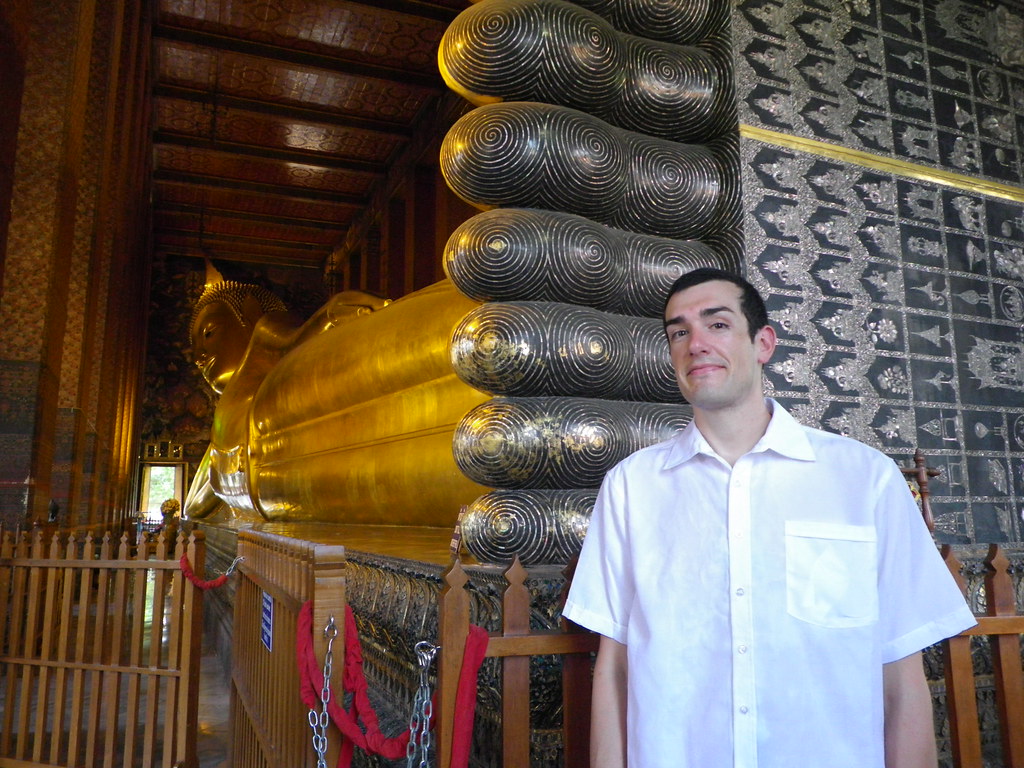
Two areas spotlighting Bangkok's evolving local government strategy are the redevelopment plans along the Chao Phraya River waterfront and the tension between new high-rise developments and heritage conservation in the historic Rattanakosin Island precinct. The BMA’s Waterfront Revitalization Committee has launched monthly community forums at the ICONSIAM complex on Charoen Nakhon Road, encouraging residents and business owners to contribute ideas and express concerns about future projects. Meanwhile, the Heritage Conservation Office within the Department of Urban Planning has tightened regulations on new construction permits near the Grand Palace and Wat Pho temples, aiming to preserve the city's cultural identity.
Data-Driven Decisions and Fiscal Prudence
Recent BMA budget disclosures reveal a 15% increase in allocations for public consultation and environmental resilience programs in the 2026 fiscal year, amounting to 3.4 billion baht. Flood mitigation investment rose from 1.1 billion baht in 2025 to 1.6 billion baht this year, focusing on expanding green drainage canals in Lat Phrao and Din Daeng districts-areas that experienced significant inundations last year. Meanwhile, Bangkok's speedier, more responsive local services contrast with the protracted delays reported in Manila’s stormwater infrastructure projects, where red tape and funding gaps have stalled progress for up to three years in some neighbourhoods.
However, critics point out that Bangkok still lags cities like Singapore, where Integrated Urban Planning departments coordinate land use, transport, and heritage preservation holistically under one roof-a model the BMA is only beginning to adopt through pilot programs.
Going forward, residents of Bangkok are advised to engage actively with local forums and monitor updates on the BMA’s official website, where upcoming consultations are announced three months in advance. Property developers and investors should expect more stringent heritage impact assessments, especially for projects within a 2-kilometer radius of designated historical landmarks. While challenges remain, Bangkok’s balance of inclusivity and pragmatic focus on infrastructure marks an incremental but meaningful divergence in how Southeast Asian megacities govern amidst growing pressures.