news
Bangkok's Tourism Soars While Labour Shortages Cripple Key Industries
New data reveals Thailand's capital is pulling record visitors but struggling to fill jobs-and the wage gap tells the real story.
How we reported this
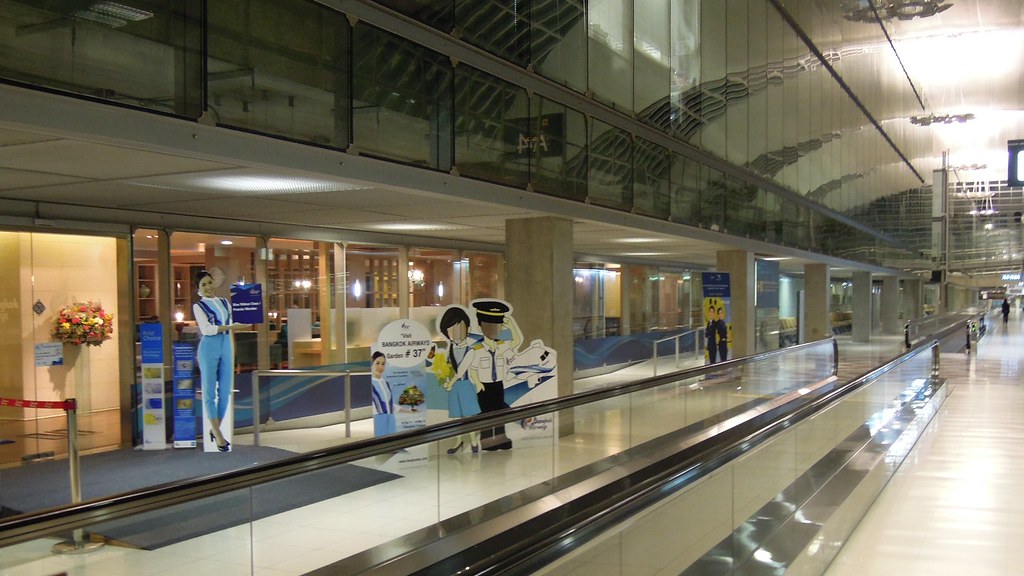
Bangkok's tourism machine clocked 6.8 million visitor arrivals in the first half of 2026, according to figures released this week by the Tourism Authority of Thailand. That number represents a 12.3 percent jump from the same period last year. Hotels are full. Tuk-tuks circle Silom and Sukhumvit districts at capacity. Yet behind the glittering surface of packed night markets and booked restaurant tables, the city's service economy is buckling under a staffing crunch that threatens to undermine the gains.
The contradiction is stark. Hospitality operators report vacancy rates hovering around 18 percent for frontline positions-receptionists, housekeeping, kitchen staff-while wage growth in those roles has stalled at roughly 320 baht per day, unchanged since 2024. A housekeeper at a mid-range property on Sukhumvit Road near the BTS Nana station can expect 9,600 baht monthly for a six-day week. Meanwhile, the cost of a modest one-bedroom rental in Huai Khwang has climbed to 12,000 baht, creating an arithmetic problem employers have not solved.
Where the Numbers Don't Add Up
Data from the Thai Employers' Confederation, published in June, found that 34 percent of Bangkok's hospitality businesses had reduced operating hours or curtailed services due to staffing shortages. The Bangkok Post reported in early July that some hotels near the Central World shopping district and along the Chao Phraya waterfront had begun offering signing bonuses of up to 5,000 baht-a tactical move that signals desperation, not confidence.
The broader labour force tells a complicated story. Bangkok's working-age population grew by just 1.2 percent year-on-year, according to data from the National Statistical Office released in May. Simultaneously, younger Thais are migrating to manufacturing hubs in the Eastern Economic Corridor, where Samsung and other electronics manufacturers offer wages 18 to 22 percent higher than hospitality. A factory assembly-line role in Rayong now pays 15,000 to 16,500 baht monthly-a gap that has drained talent from Bangkok's service sector since 2024.
The Pheu Thai government, under Prime Minister Paetongtarn Shinawatra, has discussed raising the minimum wage in Bangkok to 360 baht daily as part of its economic stimulus agenda, but no formal proposal has reached parliament. Tourism Authority figures project 16.2 million international arrivals for the full year 2026, an aggressive forecast that assumes the wage problem resolves itself. It won't.
The Informal Economy Keeps Pace
Not all of Bangkok's economic activity shows strain. Street vendors and informal traders-estimated at 280,000 citywide according to a 2025 Metropolitan Administration survey-report strong cash flow during peak season. A som tam stall operator on Ratchadamri Road told colleagues in early July that foot traffic was 28 percent above last year's July average. Taxi drivers report similar jumps in ride-hailing demand through apps like Grab, though competition has compressed margins. Grab fares within central Bangkok increased 3.2 percent in June, yet driver income rose less than 1 percent due to platform commission changes.
The churn matters because Bangkok's economy depends on these workers turning tables, cleaning rooms, and shuttling visitors. The city generated 1.84 trillion baht in gross regional product in 2024, with tourism and hospitality accounting for roughly 18 percent. Property development and banking made up another 34 percent. A sustained staffing crisis in the former could dampen growth forecasts. The Thai government's Economic and Social Development Board projected 3.5 percent growth for Bangkok in 2026. Recent surveys suggest that target may overshoot by 0.3 to 0.5 percentage points if labour shortages persist through August and September.
What happens next depends on whether operators move fast. Wage increases of 15 to 20 percent would cost hotels roughly 2.1 billion baht annually across the city-manageable if room rates hold. Early signals from major operators suggest they are testing modest increases and retention bonuses. Without them, the visitor boom risks becoming a hollow victory: full hotels with skeleton crews, tables booked but orders delayed, and a reputation for service slipping in real time. The numbers don't lie. Bangkok can fill beds or staff them, but not both-not yet.