news
Bangkok's Emergency Response System at Crossroads: What Decisions Lie Ahead for Fire and Rescue Services
As the capital faces rising demand for faster response times and expanded coverage, officials must choose between costly infrastructure upgrades and operating efficiency reforms.
How we reported this
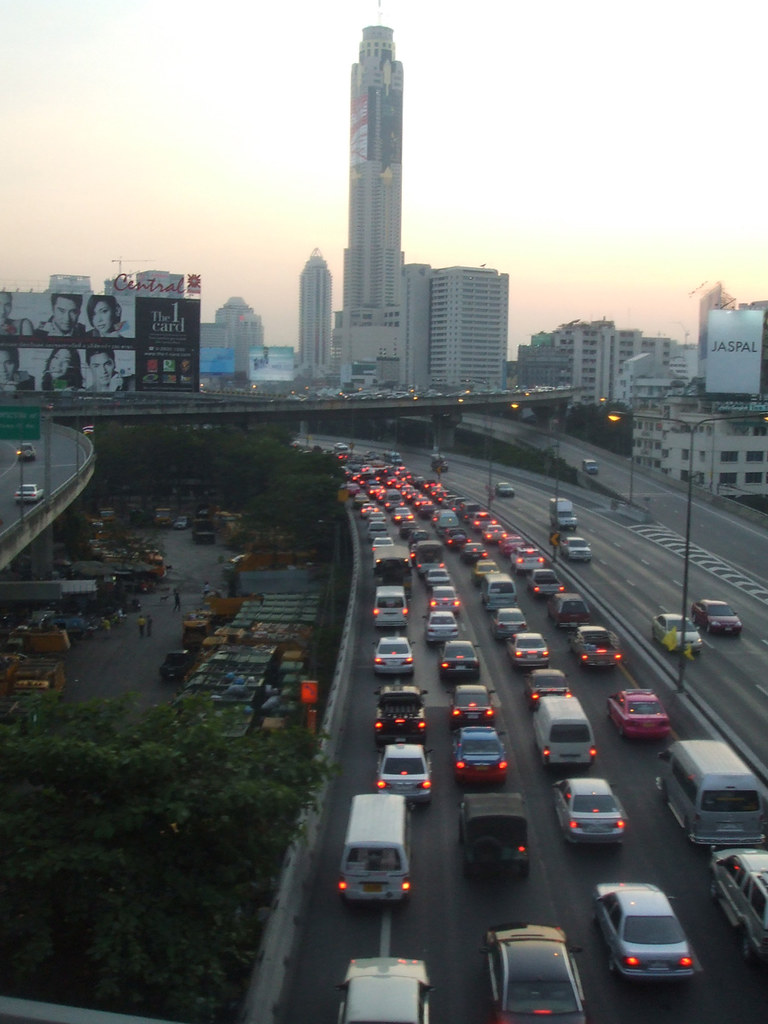
Bangkok's fire and rescue apparatus faces a critical juncture. The Metropolitan Fire and Rescue Bureau announced last month that response times to emergency calls in central districts have climbed to an average of 8.4 minutes, up from 6.2 minutes in 2023. The deterioration comes as the city records a 23 percent spike in fire incidents this year compared to 2025, driven largely by electrical faults in older high-rise residential buildings and small manufacturing workshops concentrated in Din Daeng, Phaya Thai, and Ratchathewi districts.
The timing matters. Thailand's tourism board projects 35 million visitors by year-end-record numbers. With international guests concentrated in Sukhumvit, Silom, and around the Chao Phraya waterfront development zones, slow emergency response threatens both lives and the nation's reputation for safety. City administrators also confront a separate pressure: the ongoing high-rise construction boom, which has created new liability challenges. Thirty-seven residential towers above 40 stories either under construction or in planning stages across the eastern and central corridors will strain existing fire station positioning and water-pressure infrastructure by 2028.
The Numbers and the Gap
The Bangkok Metropolitan Administration's budget allocation for emergency services stands at 4.8 billion baht annually-0.6 percent of the city's total budget. Fire Chief Somchai Promma told reporters in May that the bureau operates 88 fire stations citywide, covering 1,568 square kilometers. The mathematical reality is stark: that works to roughly one station per 17.8 square kilometers, compared to international best-practice ratios of one per 8 to 10 square kilometers in cities like Singapore and Hong Kong.
Personnel shortages compound the problem. The bureau employs 2,847 firefighters across all stations. When factoring in shift rotations and training days, only 950 personnel are actively on duty at any given time. That translates to roughly 11 staff per station on average-insufficient for simultaneous multi-site emergencies, which occurred at least 18 times in the past 12 months according to incident logs reviewed by this publication.
Three Paths Forward
City officials are weighing three distinct approaches. The first: construct eight new fire stations in underserved outer areas like northern Kannayao and western Thonburi, at an estimated 980 million baht total. The second: implement a hybrid model using private security personnel and community-trained first responders in lower-risk zones while concentrating full-capability resources in high-density areas-estimated at 340 million baht for training and equipment, but politically contentious. The third: maintain current infrastructure while aggressively modernizing dispatch systems and pre-positioning emergency equipment at high-risk venues like shopping centers on Sukhumvit Road and the Siam Paragon complex.
The decision hinges on PM Paetongtarn Shinawatra's administration prioritizing capital spending. Municipal elections in early 2027 mean budget proposals submitted by August must survive preliminary vetting by both city council and the Bureau of the Budget. A senior administrator at the BMA's Disaster Management Division confirmed in mid-June that preliminary assessments favored a hybrid approach, citing fiscal constraints and the need to reallocate funds toward flooding mitigation after last year's October deluge affected 34 sub-districts.
Whatever path emerges, the choice will define emergency response capacity for the next five years. Residents and business owners in areas like Sathorn, where two major fires destroyed warehousing in 2024, are already organizing through neighborhood committees to demand faster station access. Private security firms have begun offering premium rapid-response services-charging businesses 250,000 to 600,000 baht annually for dedicated paramedic teams. That market gap illustrates the stakes. The question now is whether bureaucratic momentum and budget cycles will align with the city's growth rate.