news
Bangkok's Economic Resilience Stands Out Among Global Peers
In the face of rising inflation and global uncertainties, Bangkok leverages its tourism rebound and urban projects to maintain steady growth compared to other major cities.
How we reported this
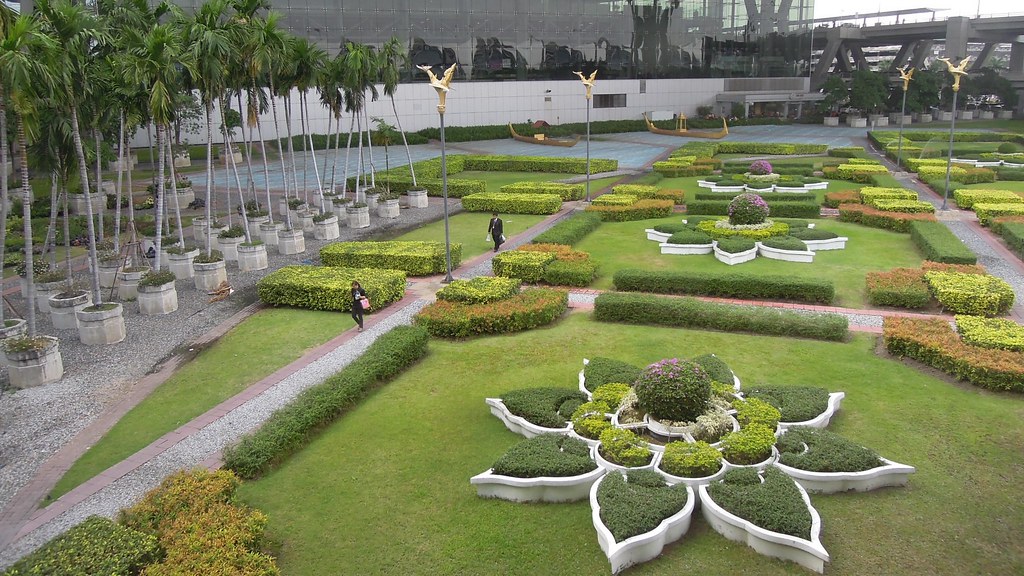
Bangkok's economy continues to display notable resilience, registering a 3.2% GDP growth rate in the first half of 2026, outpacing many comparable metropolitan areas worldwide grappling with similar post-pandemic challenges.
This growth is gaining attention as inflationary pressures and geopolitical tensions weigh heavily on urban economies globally. Bangkok’s ability to sustain moderate expansion is critical for Thailand's broader economic recovery and social stability, especially with the government's recent infrastructure investments and tourism sector revival.
Tourism and Urban Development Drive Growth
The reopening of international borders last year ignited a surge in visitor numbers, with Suvarnabhumi Airport reporting 15 million arrivals in the first six months of 2026, a 40% increase from the same period in 2025. Key cultural sites like the Grand Palace and Wat Pho have seen renewed foot traffic, benefiting local vendors and the hospitality industry concentrated in areas such as Silom and Sukhumvit.
Further boosting the local economy, the Chao Phraya riverfront redevelopment in the historic Rattanakosin district is nearing completion. This project incorporates mixed-use spaces combining traditional markets with modern retail and dining options. The Bangkok Metropolitan Administration (BMA) touts this as a model balancing heritage preservation with economic modernization-a challenge that major urban centers like Jakarta and Manila continue to wrestle with.
Income and Inflation: Details and Data
Despite positive growth, average inflation in Bangkok has hovered near 5.1% year-on-year, slightly above the national average of 4.7%, driven by rising fuel and food prices. Consumer confidence surveys by the Thailand Development Research Institute reveal cautious household spending, particularly among middle-income earners in districts such as Chatuchak and Bang Sue.
Wages have not kept pace uniformly; the average monthly retail worker in central Bangkok earns approximately 18,000 baht ($520), a figure that has stagnated over the past 12 months. This wage pressure contrasts with rapid price increases for essentials like cooking gas, which saw a 12% price jump since early 2026. Comparatively, cities like Ho Chi Minh and Kuala Lumpur have managed to contain inflation closer to 3%, suggesting Bangkok faces unique structural challenges amid its economic rebound.
However, digital economy initiatives provide some offset. The Thailand Creative & Design Center near Lumpini Park has attracted over 500 startups this year, fostering a digital nomad community that contributes to local service sectors and helps Bangkok diversify beyond traditional industries.
Looking ahead, economists advise that Bangkok’s approach to managing infrastructure development, balancing heritage with growth, and addressing inflation through policy adjustments will be critical. For residents and businesses, monitoring fluctuations in living costs and adjusting budgets accordingly will remain key as the city navigates the complex global economic environment.