news
Bangkok’s Economy Sees Mixed Signals as Tourism Surges and Construction Faces New Hurdles
This week’s developments reveal both robust visitor spending and local policy tensions affecting high-rise projects in the capital.
How we reported this
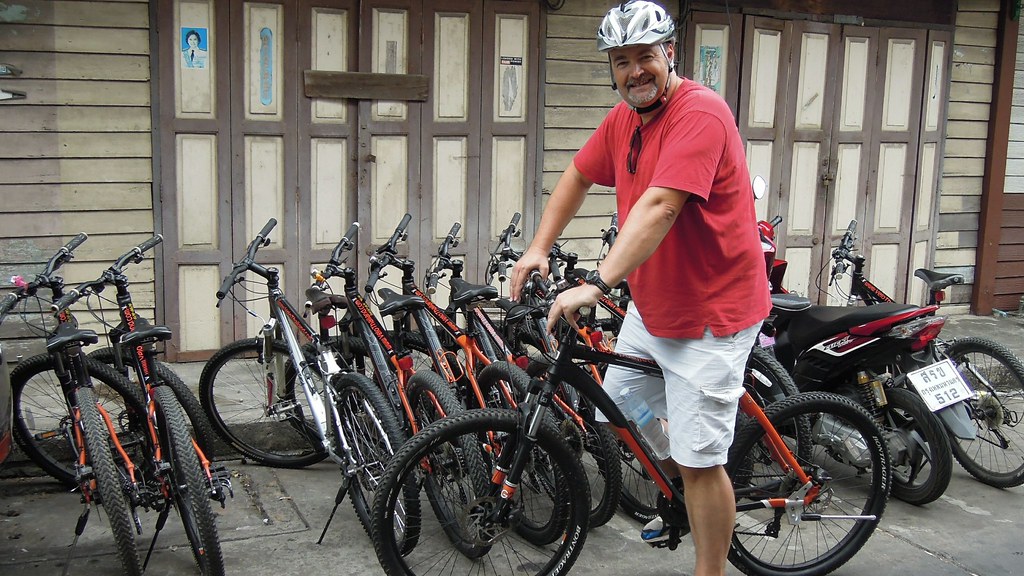
Bangkok’s economy showed a dynamic but complex picture this week, with the tourism sector reaching record visitor arrivals while new regulatory measures have slowed some high-rise developments, shaking investor confidence.
Tourism Boost and Urban Policy Clash
The city welcomed over 1.5 million international tourists in the first week of July, according to the Tourism Authority of Thailand (TAT). This wave of visitors has bolstered earnings for hospitality and retail sectors, especially around Sukhumvit Road and the Chao Phraya riverside, two key areas known for their vibrant hotels, restaurants, and entertainment venues.
This surge is significant because Bangkok and its tourism infrastructure had been recovering from setbacks caused by the COVID-19 pandemic and regional travel uncertainties. The government’s recent easing of visa restrictions and increased international flights contributed to this positive uptick, putting pressure on local businesses to manage the increased demand efficiently.
However, alongside this tourism upswing, the city is grappling with tensions in urban development policy. The Bangkok Metropolitan Administration (BMA) implemented new height restrictions and architectural guidelines intended to preserve heritage zones, especially near the historic Rattanakosin Island district and along parts of Rama IV Road. These rules have delayed several planned high-rise projects spearheaded by major developers like Ananda Development and Sansiri Public Company Limited.
Data Reflects Economic Ambitions and Challenges
Official statistics this week underscore the mixed economic signals. The Ministry of Commerce reported a 12.3% increase in hotel occupancy rates in July compared to the same period last year, with average daily rates climbing to 2,400 baht per night in prime areas such as Siam Square and Silom. Meanwhile, the Real Estate Information Center noted a 17% reduction in new commercial property permits issued during June, reflecting the impact of new BMA regulations.
Moreover, the Bangkok Chamber of Commerce highlighted that retail spending in central business districts increased by 8% in early July, fuelled by both tourists and an expanding digital nomad community settling in neighborhoods like Ari and Ekkamai. However, concerns remain over rising rental prices, which have pushed office space in central locations above 900 baht per square meter monthly, squeezing small businesses and startups.
Meanwhile, local tour operators around the Chao Phraya waterfront expressed cautious optimism, as cruise and river boat tourism activity rebounded strongly but still lags behind pre-pandemic numbers by around 15%. Experts suggest that further infrastructure upgrades and better waste management along tourist corridors are needed to sustain growth.
Residents and industry stakeholders are watching closely how these developments unfold. The BMA has scheduled a public consultation forum next month to discuss balancing urban development pressures with conservation efforts, especially concerning the city’s skyline and traffic congestion.
For Bangkok’s businesses and visitors, being aware of these ongoing shifts is crucial. Travelers should book accommodations early, particularly in hotspot areas like Sukhumvit and Silom, where prices are rising with demand. Meanwhile, entrepreneurs in real estate and hospitality are advised to monitor regulatory changes closely and consider diversifying investments to emerging neighborhoods such as Bang Kapi and Chatuchak, which currently experience fewer restrictions.
As Bangkok continues to navigate its growth trajectory, the interplay between booming tourism and urban planning policies will likely define the city’s economic landscape in the coming months.