news
Voices from Bangkok’s Marketplace: Community Perspectives on Economic Shifts
Amid record tourism and urban redevelopment, Bangkok residents and workers share their experiences navigating rising costs and changing cityscapes.
How we reported this
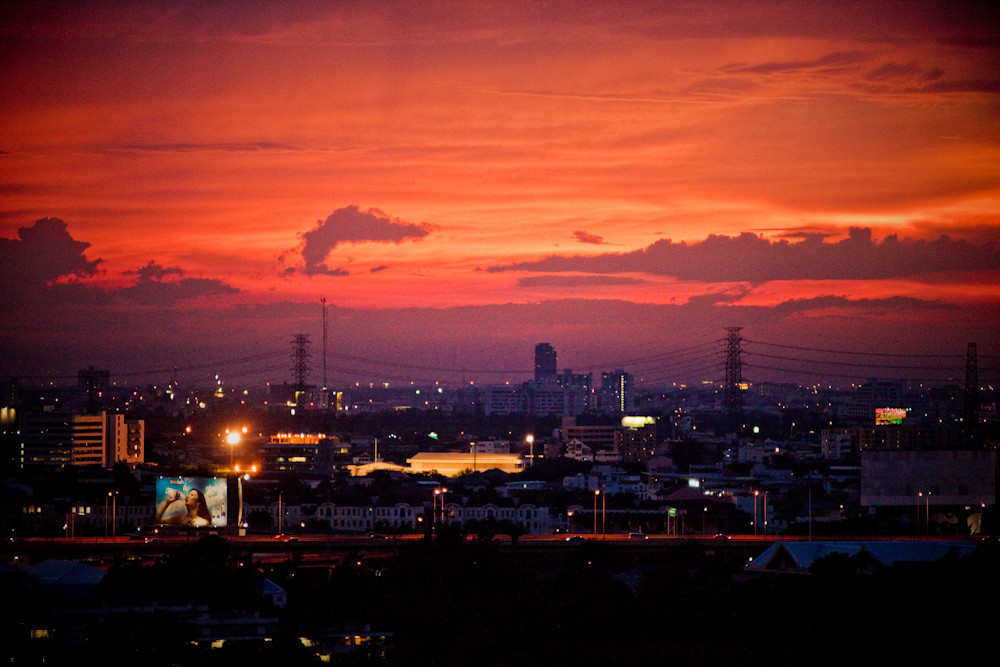
Bangkok's bustling local economy is at a crossroads, with residents and small business owners reporting mixed effects from surging tourism arrivals and ongoing urban redevelopment projects. Market vendors along Khao San Road and longtime shop owners in the Bang Rak district voiced concerns and hopes as they adapt to shifting economic tides in the Thai capital.
This economic snapshot comes as Bangkok records a rebound in tourism, with the Tourism Authority of Thailand announcing a 25% year-on-year increase in visitor arrivals for the first half of 2026. This momentum follows pandemic-era setbacks and coincides with the Chao Phraya waterfront development project, which aims to modernise riverfront areas but has drawn criticism for displacing traditional communities and small enterprises.
Community Responses from Khao San and Bang Rak
Khao San Road, famed for its vibrant backpacker scene, exemplifies the tension between opportunity and disruption. Vendors selling street food and souvenirs report higher foot traffic, yet many face rising rents and competition from new, upscale businesses attracted by redevelopment incentives. Workers at the Khao San Visitor Association confirm that while daily sales have increased by approximately 15%, operating costs-particularly stall rents-have surged by nearly 30% since early 2025.
Meanwhile, in the historic Bang Rak district, where century-old shophouses line narrow streets, small shop owners express worries that ongoing high-rise projects threaten their livelihoods. The Bangkok Heritage Foundation has documented a 10% decline in traditional retail businesses in Bang Rak over the past year. Local craftsman-run shops are particularly vulnerable, citing rent increases and reduced pedestrian flow as key challenges.
Data Highlights Economic Strains and Opportunities
The Bangkok Metropolitan Administration recently released figures revealing that average rental prices for commercial spaces in central districts like Bang Rak and Khao San have climbed to 120,000 baht per month-a 25% increase compared to 2024. Correspondingly, the Consumer Price Index for Bangkok rose by 4.5% in the first six months of 2026, largely driven by housing and food costs.
However, job creation linked to the tourism sector has been significant. The Ministry of Labour reported a 12% increase in employment opportunities within hospitality and service industries in Bangkok from January to June 2026. Local digital nomad communities based in co-working hubs such as Hubba in Sukhumvit have also grown, contributing to economic diversity but adding pressure on rental markets.
Residents like a longtime Khao San street food vendor acknowledge the upsides and drawbacks: "More visitors bring more income, but the higher stall fees are squeezing us out slowly." At the same time, community groups have started initiatives offering microloans and business training sessions to help small vendors adapt to rising costs.
Looking ahead, stakeholders suggest that balanced urban planning and targeted support for small businesses will be critical. The Bangkok Metropolitan Administration plans to roll out subsidies for affected vendors by next quarter, while NGOs like the Social Enterprise Bangkok Initiative are developing affordable workspace programs.
For local residents and entrepreneurs, staying informed about municipal assistance programs and collaborating through neighborhood associations may be essential strategies to navigate the changing economic conditions. Upcoming town hall meetings scheduled for August in Bang Rak will focus on community feedback for redevelopment policies, offering a platform for affected voices to influence city decisions.