news
Tracing Bangkok's Local Government Decisions: The Path to Today's Policies
Understanding the historical and political currents behind recent local government actions shaping Bangkok's urban landscape and civic life.
How we reported this
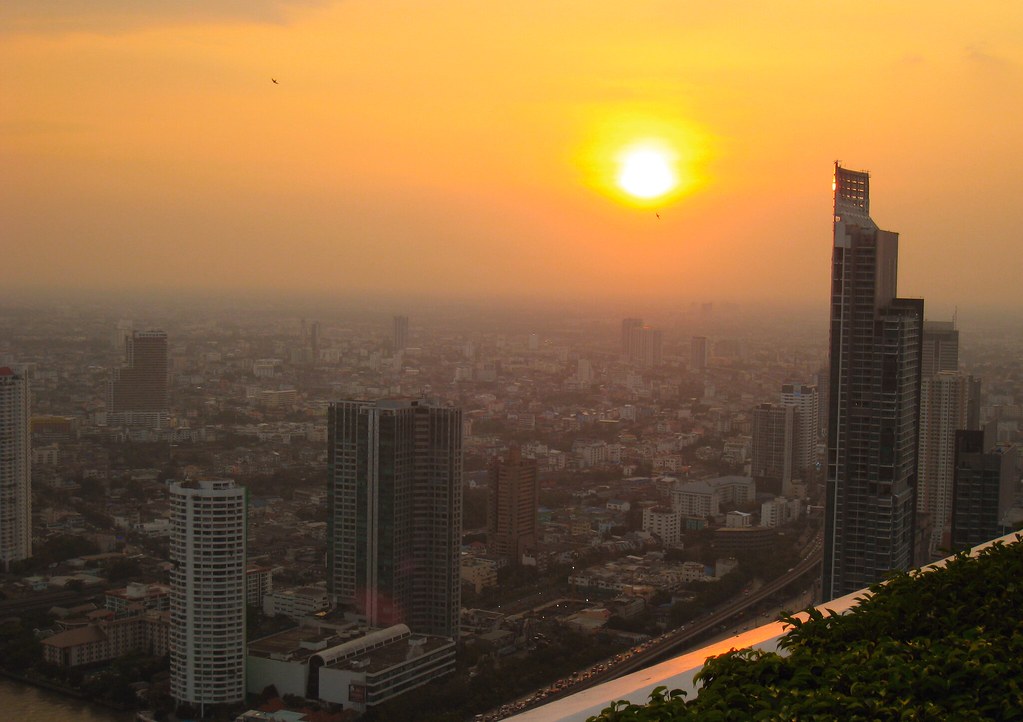
Bangkok's local government has recently unveiled a suite of policy decisions affecting urban development, public transportation, and digital infrastructure. These moves come amid rising tensions between preserving historical communities and promoting modern high-rise projects.
Why now? The urgency behind recent decisions
The timing of these local government decisions coincides with multiple converging pressures. Firstly, the record-breaking influx of tourists earlier this year, with the Tourism Authority of Thailand reporting over 20 million visitors in the first half of 2026, has strained infrastructure and public services. Secondly, the ongoing dispute over the dissolution of the MOVE Forward party has cast a political spotlight on governance and urban management effectiveness.
Another critical factor is the rapid expansion along the Chao Phraya River waterfront. The municipal authorities, led by Governor Somchai Prasert, face mounting pressure to balance economic development with heritage preservation, a concern particularly voiced by the communities around the historic Phra Nakhon district and the modern Sathorn area.
Local initiatives and contested spaces
Several recent projects exemplify the complexities of Bangkok’s local governance. The Chao Phraya Riverside Smart Development Program, launched in March 2025, aims to integrate green technology and improve public spaces along the riverbanks stretching from Wat Arun to the ICONSIAM complex. This initiative links with efforts to support the burgeoning digital nomad community settling around the Ari and Ekkamai neighborhoods, where co-working spaces and tech hubs have proliferated.
Meanwhile, the High-rise Construction Regulation Task Force, instituted in late 2025, focuses on managing urban density, especially near Ratchadamri and Sukhumvit Road. This task force's mission is complicated by competing interests: developers seek high returns from luxury condominiums, while preservationists and local residents strive to maintain Bangkok's unique historical and cultural identity.
Transportation policy has similarly been impacted. The extension of the BTS Skytrain’s Purple Line to Don Mueang, scheduled for completion in late 2027, reflects local authorities’ commitment to alleviating traffic congestion. However, integrating this expansion with existing bus networks and river ferries remains an ongoing challenge.
Backing decisions with data
Statistical evidence provides insight into these developments. According to the Bangkok Metropolitan Administration (BMA), the city’s population grew by 1.3% last year to approximately 10.7 million residents, fueling demand for new housing and transport infrastructure. Urban land prices near the Chao Phraya waterfront have surged by 15% since 2024, driven by high-profile developments such as the new Iconic Riverside Tower near Pak Khlong Talad.
Public opinion polls conducted by the Bangkok University Social Research Centre in May 2026 indicate that 62% of residents support stricter regulations on high-rise buildings to protect city heritage, while 28% prioritize economic growth and modernisation. This split reflects the ongoing challenge local policymakers face in reconciling competing priorities.
The success of tourism initiatives, notably during the recent Songkran festival, which generated an estimated 35 billion baht in economic activity, has underscored the need for coordinated urban planning to maintain Bangkok’s allure and functionality.
What lies ahead for Bangkok residents
Local government decisions are set to influence Bangkok’s urban experience in the coming years. Residents and businesses should prepare for continued construction activities around key transit corridors and waterfront zones. The BMA plans public consultations throughout the rest of 2026 to engage communities, particularly in neighborhoods like Phra Khanong and Bang Rak, which are slated for targeted development projects.
Those involved in property development, tourism, or urban services are advised to stay attuned to upcoming regulatory updates from the High-rise Construction Regulation Task Force and transportation authorities. Meanwhile, citizens interested in heritage preservation have opportunities to participate in forums and voice their concerns, shaping the balance between innovation and tradition in Thailand’s capital.