news
Voices from Bangkok’s Diverse Communities Reflect on Economic Shifts
Residents and workers describe how rising costs and development impact daily life amid the city’s evolving economy.
How we reported this
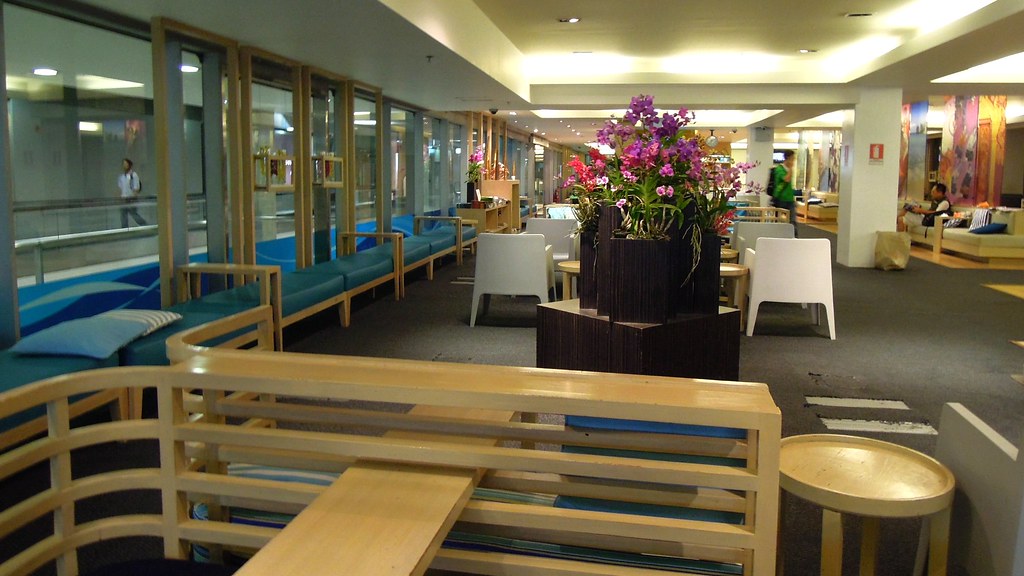
Economic changes in Bangkok are increasingly felt not just in boardrooms but on the streets of Lat Phrao and Khlong Toei, where community members share firsthand experiences of pressures from inflation, rising rents, and urban development projects.
Pressure Mounts on Residents and Small Businesses
As Thailand’s economy shows mixed signals amid global uncertainty, local voices reveal the very real consequences of price hikes and infrastructural changes that many say threaten their livelihoods. Bangkok-one of Southeast Asia’s fastest-growing urban centres-has been at the heart of national economic conversations, particularly as tourism rebounds and large-scale projects loom over historic neighbourhoods.
Chantanee, a street vendor near Chatuchak Market, said her daily earnings have not kept pace with the rising costs of supplies and stall rents. "Before the Songkran festival this year, I was hopeful for higher sales, but the rise in flour and fruit prices made it harder to turn a profit," she explained. Her story echoes concerns from other small-scale entrepreneurs across the city.
The Khlong Toei area, home to many long-established communities, has seen increased rent prices, driven in part by new condominium developments and waterfront projects along the Chao Phraya River. Local non-profit Khlong Toei Community Centre has been tracking these changes, warning that displacement risks are growing among lower-income residents.
Data Confirms Uneven Economic Recovery
The Bank of Thailand reported inflation at 5.8% in June 2026, the highest in four years, pressuring household budgets. Meanwhile, rental prices across Bangkok have surged by an average of 8.5% during the first half of this year, further squeezing lower-income families, according to the Thai Real Estate Association.
Tourism figures, however, paint a somewhat more optimistic picture: visits to Bangkok’s Suvarnabhumi and Don Mueang airports increased by 25% in the first quarter compared to the same period in 2025, buoyed by international holidaymakers returning after pandemic restrictions eased. This rebound benefits the hospitality and retail sectors but does little to soften the pinch faced by small vendors and daily wage workers, many of whom operate outside the formal economy.
Around Sukhumvit Road’s digital nomad hubs, including co-working spaces like The Hive and Commons, some residents noted that rising living costs have altered the makeup of the community. Temporary workers seeking affordable accommodation face increased competition and dwindling options, while long-term residents observe shifting neighborhood dynamics.
Community leaders emphasize the importance of inclusive economic strategies to ensure that Bangkok's growth doesn't widen social inequalities. The Bangkok Metropolitan Administration has begun consultations, aiming to balance development with affordable housing initiatives in districts such as Bang Rak and Phra Nakhon.
For those feeling the current strain, practical advice centers on engaging with local support networks. Organisations like the Bangkok Urban Poor Network offer resources on housing rights and financial planning. Meanwhile, employment agencies in areas like Ratchathewi provide job training programs designed to help residents adapt to evolving market demands.
Looking ahead, the economic outlook for Bangkok remains entwined with national policy decisions, tourism trends, and global market forces. Yet for many residents, the immediate challenge is navigating a cost landscape that grows more daunting each month.