news
Bangkok’s Economic Outlook Hinges on Key Policy Choices Amid Tourism Boom
With record visitor arrivals and ongoing urban development, Bangkok faces critical decisions that will shape its economic trajectory.
How we reported this
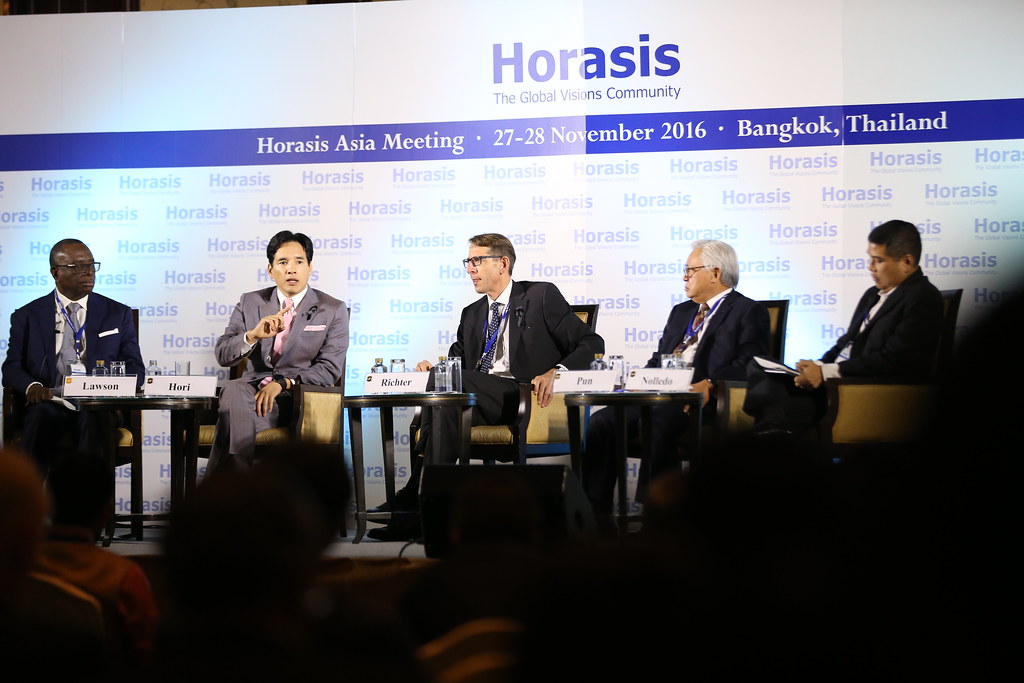
Bangkok’s economy is at a crossroads, propelled by a surge in tourism but challenged by urban development concerns, with key policy decisions expected to steer the city’s growth in the coming months. The city recently welcomed record-breaking tourist numbers, reviving a vital sector still recovering from pandemic impacts. As tourism rebounds, authorities and businesses must balance infrastructure expansion, heritage preservation, and community needs to sustain momentum.
Why This Moment Matters
The renewed influx of international visitors has reignited economic activity across hospitality, retail, and service industries along the Chao Phraya waterfront and central districts. This resurgence injects momentum into Bangkok’s recovery but also intensifies debates around urban transformation and the preservation of cultural sites amid high-rise developments. Paetongtarn Shinawatra’s Pheu Thai government faces pressure to manage growth inclusively, particularly after controversies stirred by the dissolution of the MOVE Forward party, which advocated for more transparent governance and economic reforms.
Decisions made now will influence not only immediate economic gains but Bangkok’s long-term liveability and international competitiveness. With urban renewal projects accelerating and digital nomad communities increasingly leveraging remote work opportunities, the city’s ability to integrate these dynamics into coherent economic and social strategies will determine future prosperity.
Local Dynamics Shaping the Economy
Specific areas like the Chao Phraya waterfront are focal points, where luxury hotels, restaurants, and new transport links aim to capitalize on tourism while intensifying debate over heritage impact. The waterfront redevelopment, closely watched by developers and cultural advocates, exemplifies tensions between modernization and tradition.
Meanwhile, the digital nomad segment, visible in neighborhoods like Sukhumvit and Ari, has grown steadily, bringing fresh revenue streams to local businesses and rental markets. Events such as the recent Songkran festival have demonstrated the interconnectedness of festive economics with tourism and service sectors, boosting profits for local vendors and transport operators.
Balancing Growth With Sustainability
Though exact figures are unavailable in current reports, qualitative assessments point to robust tourist spending, increased hotel occupancy, and growing demand for urban amenities. Industry insiders report optimistic business sentiments, tempered by concerns about rising property prices and infrastructure strain caused by rapid development.
Looking ahead, Bangkok’s authorities and private stakeholders must carefully weigh the economic benefits of aggressive urban development against community concerns. Policies that promote sustainable tourism, preserve cultural assets, and support emerging work trends like digital nomadism will be crucial. Investments in transport and public services also require prioritization to prevent bottlenecks and maintain visitor satisfaction.
For residents and business owners, staying informed and engaged with municipal planning can help shape outcomes. Effective collaboration between government agencies, developers, and citizens will ensure that the next phase of Bangkok’s economic revival is balanced and inclusive.