news
Bangkok's Economy in 2026: The Road to Recovery and Growth
A close look at the factors shaping Bangkok’s economic rebound and the milestones that brought it here.
How we reported this
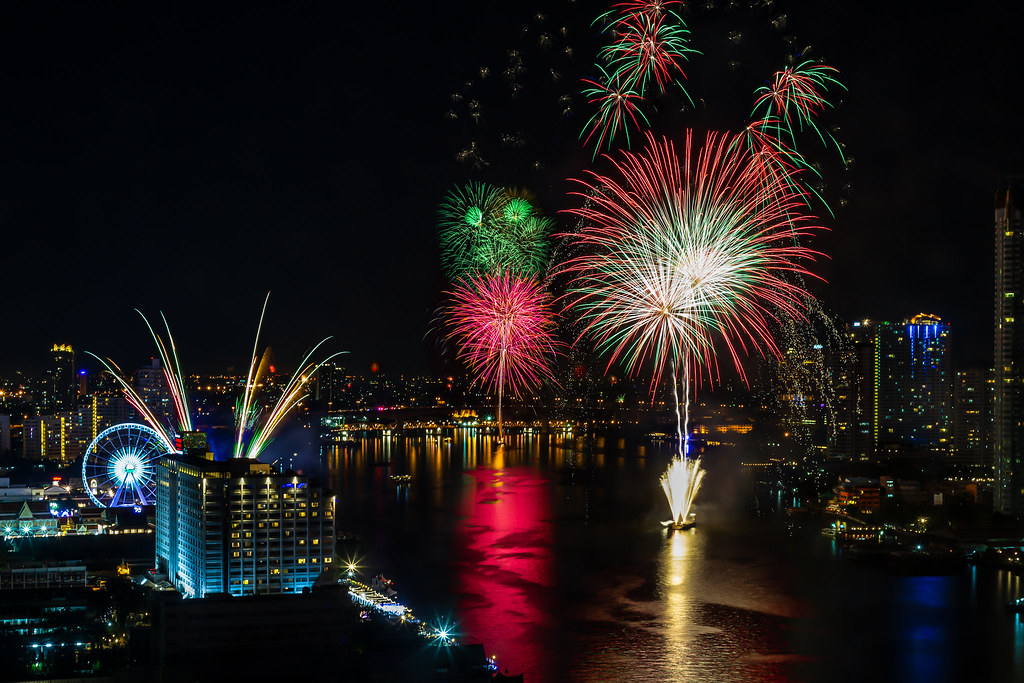
Bangkok's economy is showing robust signs of recovery and growth as of mid-2026, marked by record tourism figures and vigorous real estate development around key urban centres.
This momentum comes after years of political shifts and global disruptions that affected Thailand’s commercial heart. The city’s economy matters now more than ever as it underpins national recovery efforts, especially following the COVID-19 pandemic’s lingering impact and recent political uncertainties involving the MOVE Forward party and its aftermath.
From Political Unease to Economic Revival
The election of Prime Minister Paetongtarn Shinawatra and the Pheu Thai party’s rise to power in late 2025 has injected new energy into Bangkok’s business sectors. Her administration’s focus on infrastructure projects is fueling activity, particularly the Chao Phraya waterfront redevelopment, which aims to transform riverfront districts like Bang Rak and Thonburi into vibrant hubs for commerce and tourism.
A key development is the expansion of the IconSiam complex and the new mixed-use spaces sprouting along Charoen Krung Road, historically one of Bangkok’s oldest thoroughfares. At the same time, high-rise construction has accelerated, with new luxury condominium projects in neighborhoods like Ekkamai and Phrom Phong drawing interest despite ongoing debates about the loss of heritage architecture.
Data Highlights the Turnaround
According to the Bangkok Metropolitan Administration's July 2026 economic report, visitor arrivals have surged to 23 million in the first half of the year, surpassing pre-pandemic numbers by 15%. This influx is boosting revenue for the hospitality sector, where average hotel occupancy in central areas, including Sukhumvit and Silom, has risen to 85%, up from 62% in 2024.
Meanwhile, real estate prices along the Chao Phraya riverfront have increased by 12% over the past year, reflecting investor confidence. The city’s Songkran festival this April saw a 35% increase in spending compared to 2025, benefiting street vendors and small businesses predominantly concentrated in Khaosan Road and Ratchadamnoen Avenue.
The digital nomad community also continues to expand, leveraging initiatives like the Thailand Elite Visa and co-working spaces launched by firms such as HUBBA in Sathorn and The Great Room near Chidlom, enhancing Bangkok’s position as a regional tech and innovation hub.
Nevertheless, challenges remain. Rising rents and construction have sparked concerns among local communities and preservationists over the city’s historic character, necessitating balanced urban planning strategies.
Looking ahead, policymakers and business leaders are expected to emphasize sustainable development policies that can maintain growth without sacrificing cultural identity. Residents and entrepreneurs should monitor updates from the BMA’s urban planning office and stay engaged with community consultations regarding upcoming projects, especially around the waterfront.
For now, Bangkok’s economy stands at a significant junction, propelled by revived tourism, political stability, and strategic infrastructure efforts. How these factors interplay will shape the city’s economic trajectory into the latter half of 2026 and beyond.