news
Bangkok Economy Figures Show Direct Effects on Resident Employment and Local Services
Tourism arrivals and GDP shares determine job numbers and service-sector reliance for people living in the capital.
How we reported this
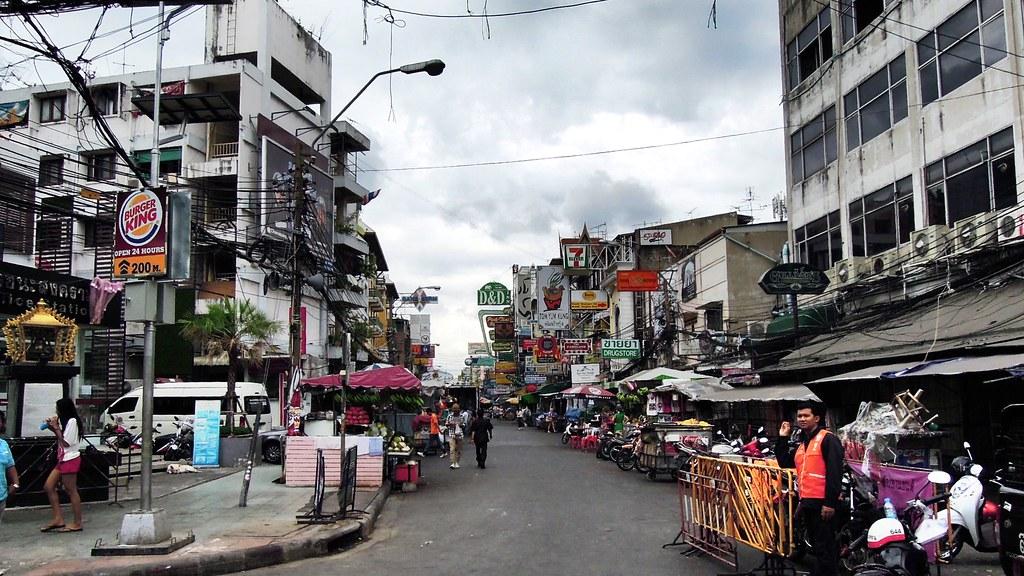
Bangkok recorded 47.20 million visitors in 2024, of whom 32.40 million arrived from abroad, and the city produced ฿1,223 billion in tourism revenue that year.
Those visitor totals and the resulting revenue sit at the centre of daily decisions for residents who work in hotels, transport, retail and food service. The Bangkok Metropolitan Region generated 8.096 trillion baht, equal to half of Thailand’s national GDP in 2022, while the city alone supplied 48.4 percent of the country’s service-sector output. When tourism revenue rises or stalls, shifts appear first in household income and in the cost of using public transport, markets and clinics that serve both visitors and locals.
Tourism jobs and household income
The sector supported 5.47 million direct jobs in Bangkok last year, representing 13.8 percent of total employment, and 7.92 million jobs when indirect roles are counted. Residents in districts that host large hotels or riverfront markets therefore see hiring patterns tied to monthly arrival numbers. When international arrivals reach the levels recorded in 2024, overtime and seasonal contracts increase for drivers, guides and kitchen staff; when numbers ease, those same households face shorter shifts.
Bangkok’s GDP per capita stood at 634,109 baht in 2022, more than twice the national average. This gap means many families rely on service-sector wages that fluctuate with visitor spending rather than on manufacturing or agricultural income found elsewhere in the country. The same concentration leaves neighbourhoods near major transport hubs exposed when revenue growth slows to the rate of population growth, as recent data indicate.
Pressure on city services
With the Bangkok Metropolitan Region accounting for half of national output, city budgets for roads, water and waste collection are calibrated to volumes set by both residents and the 47.20 million visitors. Any sustained dip in tourism revenue therefore tightens the same budgets that pay for daily maintenance of markets and commuter lines used by locals. Officials have noted that productivity growth has levelled off, suggesting the city’s mature economy offers fewer new high-wage openings even as population continues to rise.
Residents can track monthly tourism statistics released by national agencies and compare them with local job postings in their districts. Checking these figures against household expenses for transport and utilities provides an early signal of whether service-sector work will remain steady or contract in the months ahead.