news
Bangkok's Growth Slows to 1.7% in 2026 Amid Trade Pressures
OECD projections show Thailand's economy cooling further next year amid energy price spikes and external risks that directly affect the capital's tourism and manufacturing base.
How we reported this
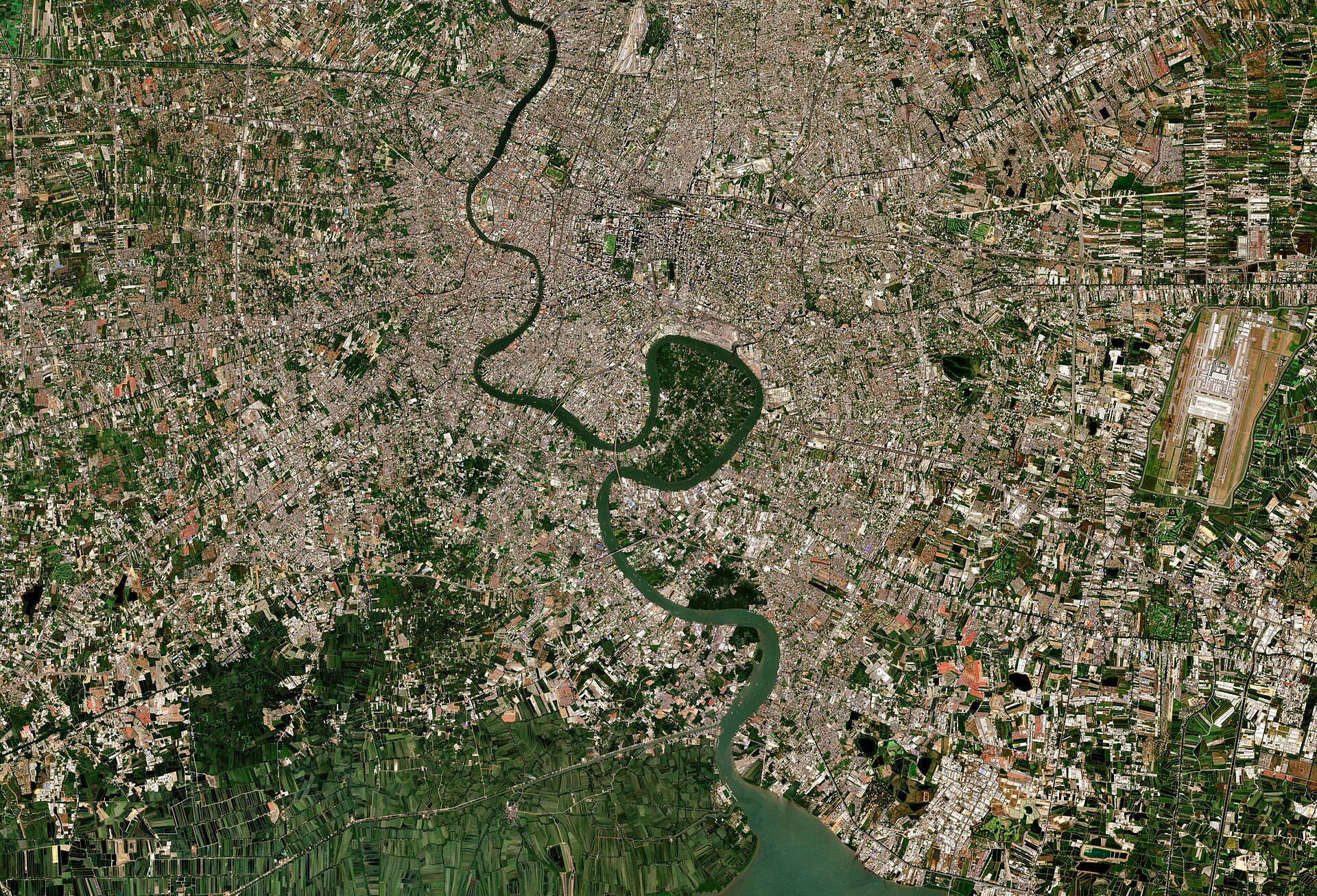
Bangkok's economy is projected to expand by just 1.7 percent in 2026, down from 2.4 percent this year, according to the latest OECD figures released in June.
The slowdown comes at a time when the capital's hotels, export factories and riverfront businesses already feel the strain of weaker global demand. Household debt levels remain elevated, leaving many residents cautious about spending even as visitor numbers have climbed in recent seasons. The timing matters because Bangkok's recovery path now depends on external conditions that are shifting quickly, including the ripple effects of conflict in the Middle East on energy costs and shipping routes.
Tourism and factory output face familiar headwinds
Key sectors that underpin jobs across the city have struggled to regain earlier momentum. Tourism operators along the Chao Phraya corridor and manufacturers supplying overseas markets report persistent obstacles, from shifting trade rules to slower catch-up in living standards. The OECD survey released last December notes that long-running challenges, including an ageing population and the need for climate adaptation, add further pressure on public finances that support Bangkok's infrastructure and services.
High household debt continues to warrant close attention, as it limits how much families can contribute to local consumption. At the same time, widespread informal work reduces tax collections that could otherwise fund spending on health care and flood resilience measures important to the capital.
Policy choices ahead for revenue and productivity
Monetary easing remains possible if conditions deteriorate, yet fiscal room is constrained. The OECD emphasises that any support for households and businesses must stay tightly targeted and temporary. After the immediate pressures ease, stronger focus on debt reduction will be required to keep public borrowing on a sustainable track.
Boosting productivity through simpler regulations, greater competition and steps to formalise more work could lift output without adding to debt. Measures to cut oil dependence and expand renewables would also help contain future energy price shocks that hit Bangkok commuters and factories hardest. Residents and business owners can track updates from the Bank of Thailand and revenue authorities to prepare for any targeted relief or tax adjustments that follow these recommendations.